
Cultural advice: this page contains names and historical images of Aboriginal people who have died.
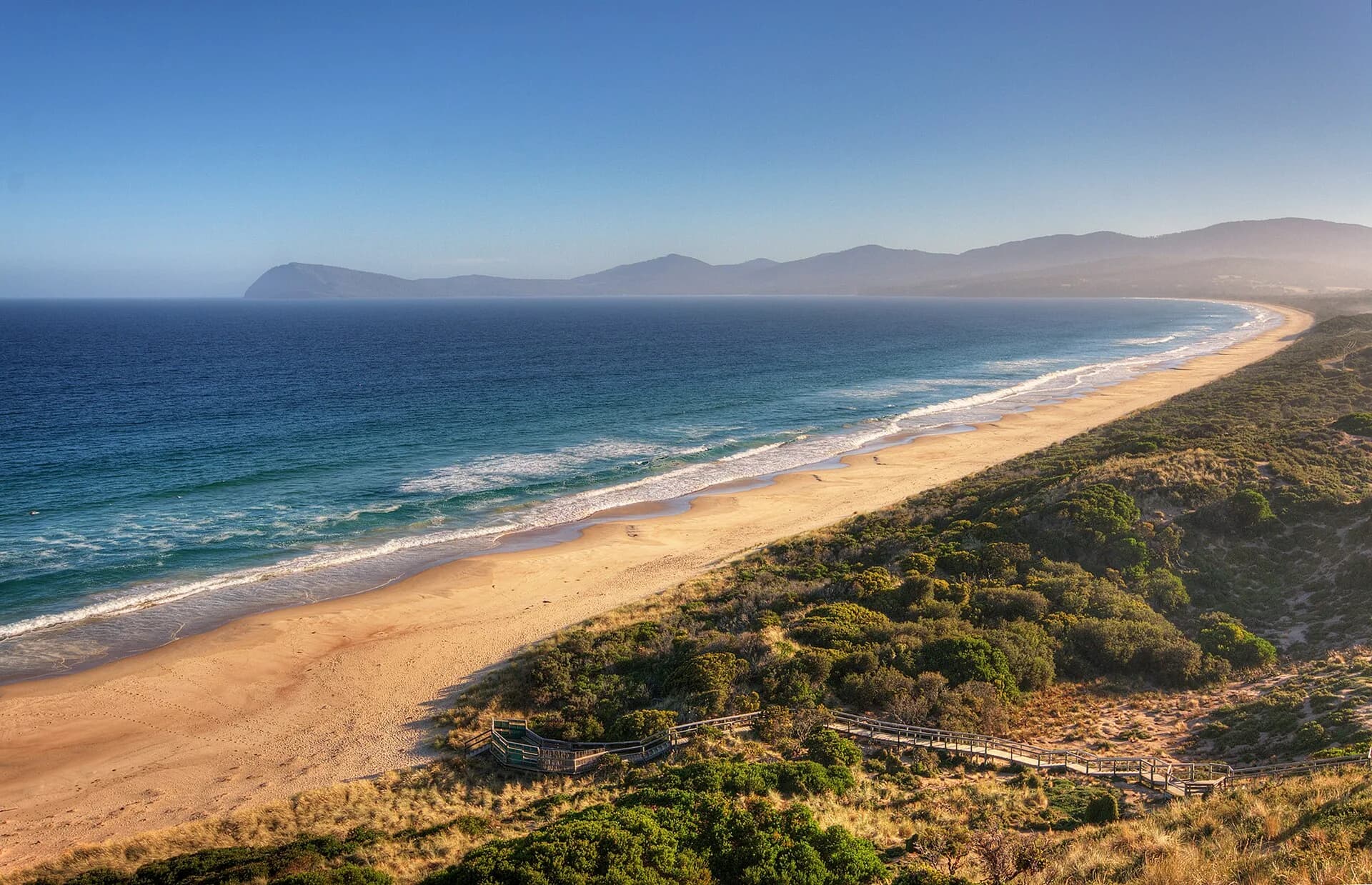
Trugernanner, widely known as Truganini, was a Nuenonne woman, Palawa leader and survivor born around 1812 on Bruny Island. She was not the “last Tasmanian Aboriginal person”. That colonial myth denied a living people whose families, culture and political work continue.
Invasion brought violence to her family and Country
Sealers and settlers killed, abducted and assaulted people close to Trugernanner. By the late 1820s she was living through rapid dispossession around the D’Entrecasteaux Channel and Bruny Island.

Robinson depended on Aboriginal knowledge
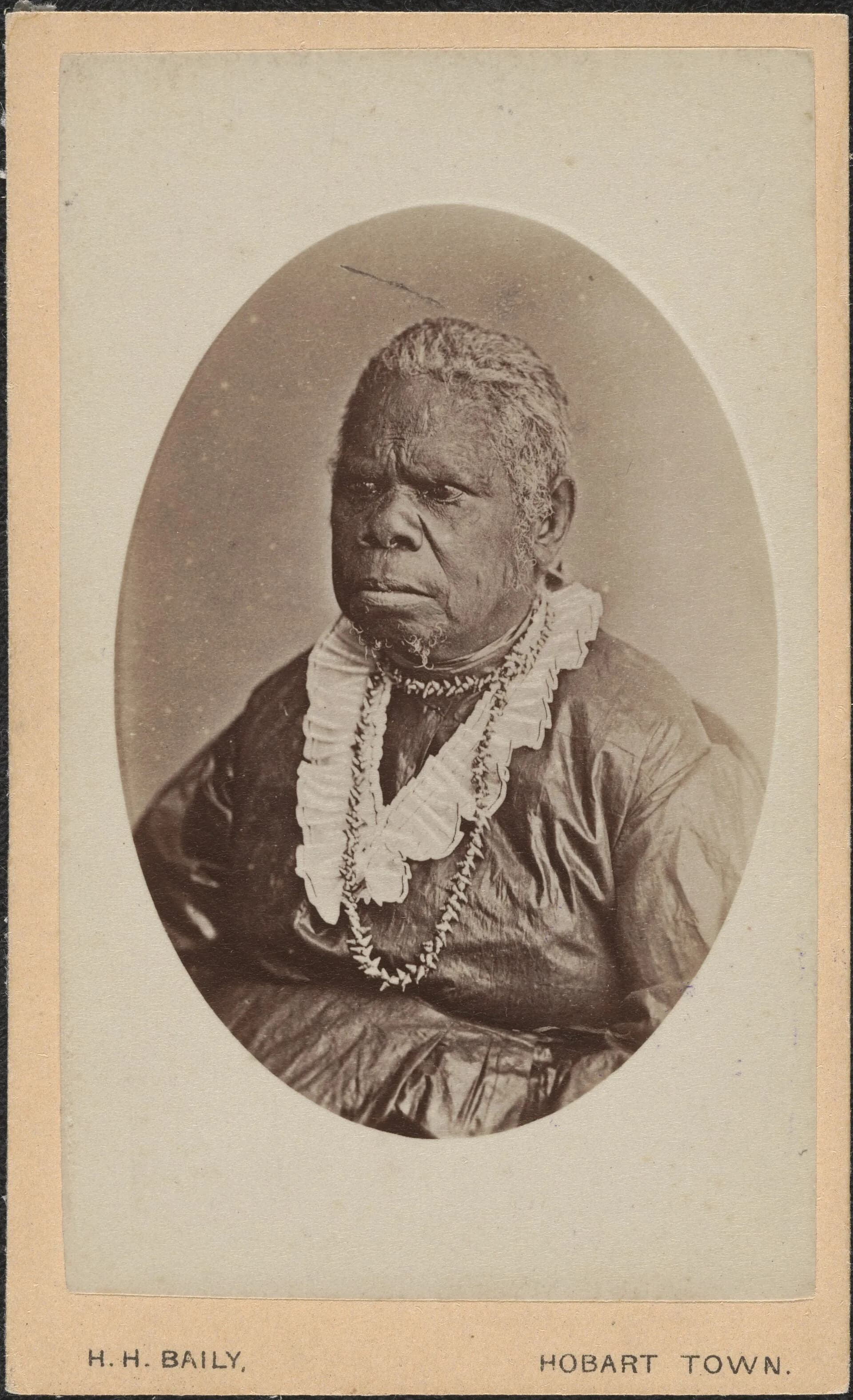
Trugernanner and Wurati travelled with George Augustus Robinson across Tasmania. Older accounts cast them merely as helpers in a “friendly mission”. Their navigation, language, diplomacy and survival knowledge were essential, while the journeys also fed a coercive removal system.

Wybalenna did not provide promised safety
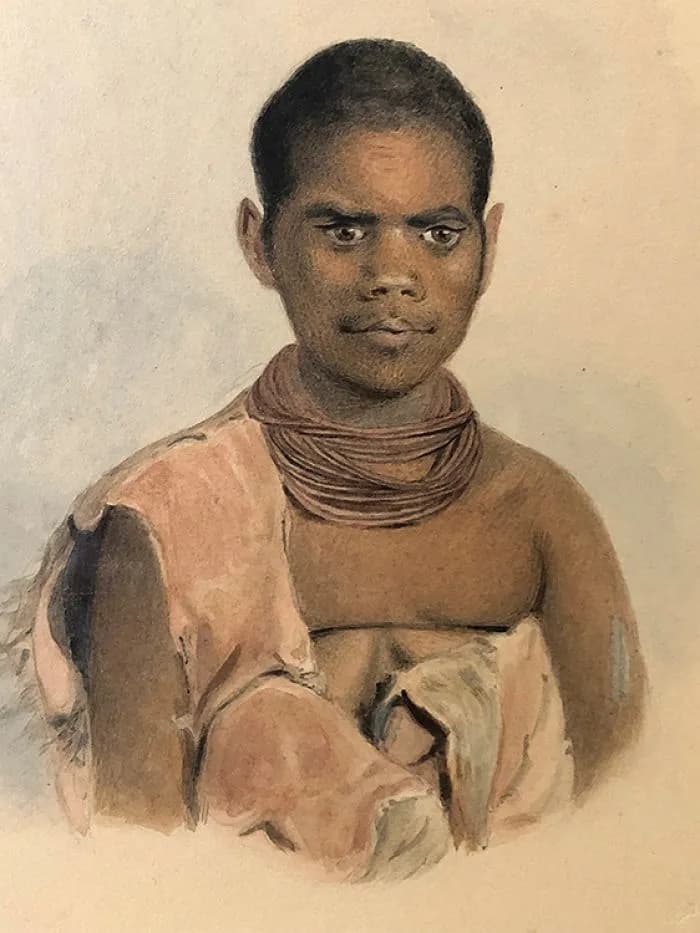
Aboriginal people brought to Wybalenna experienced disease, poor conditions, surveillance and death. Trugernanner later lived at Oyster Cove, after a period in Victoria and further imprisonment.
Her wishes were denied after death
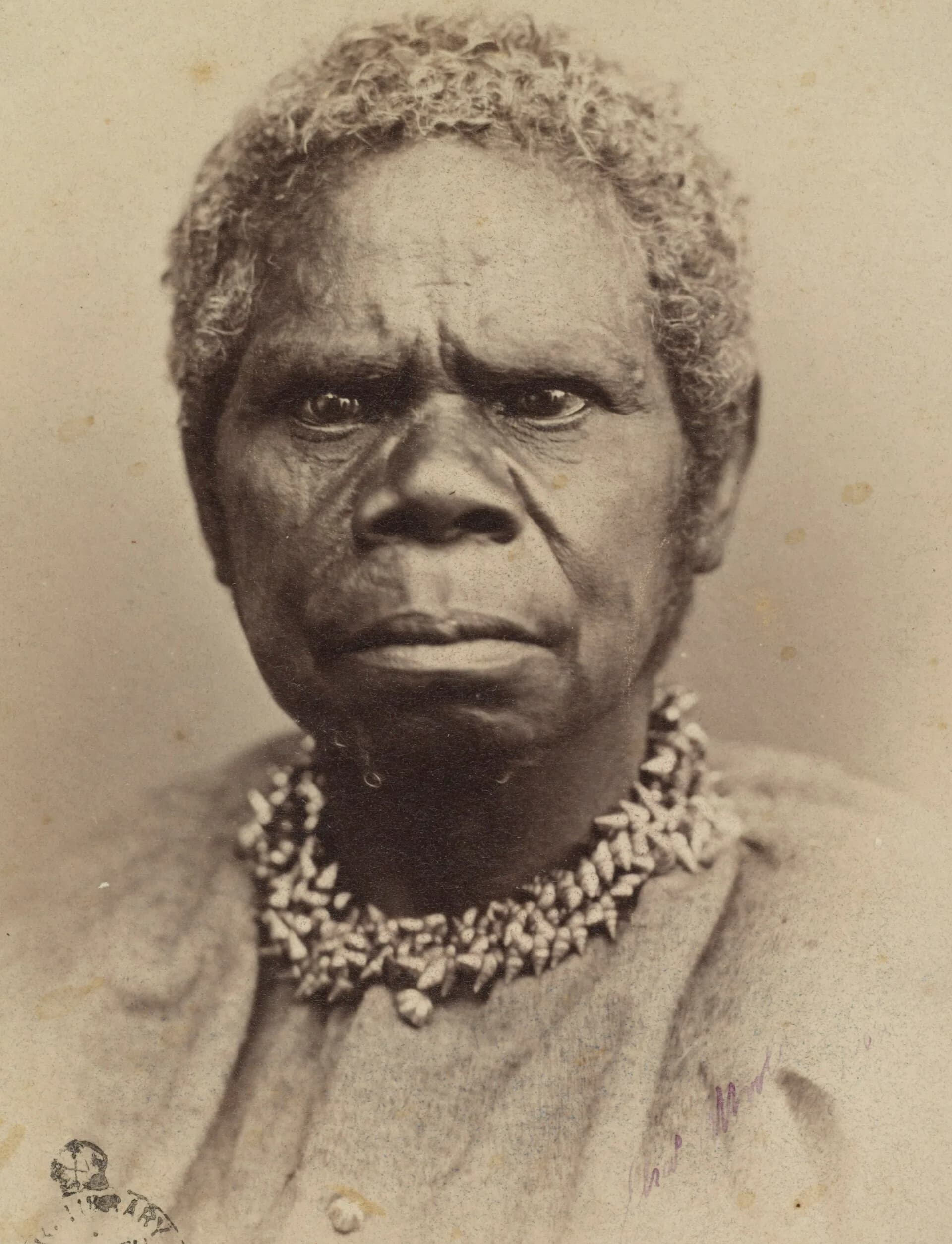
Trugernanner died in Hobart in 1876. Despite her stated fear of bodily violation, her remains were exhumed and held by the Tasmanian Museum, with her skeleton displayed for decades. In 1976, after sustained Aboriginal campaigning, her remains were cremated and her ashes scattered in the D’Entrecasteaux Channel.

Continue with Aboriginal Tasmania, Bruny Island and Oyster Cove.