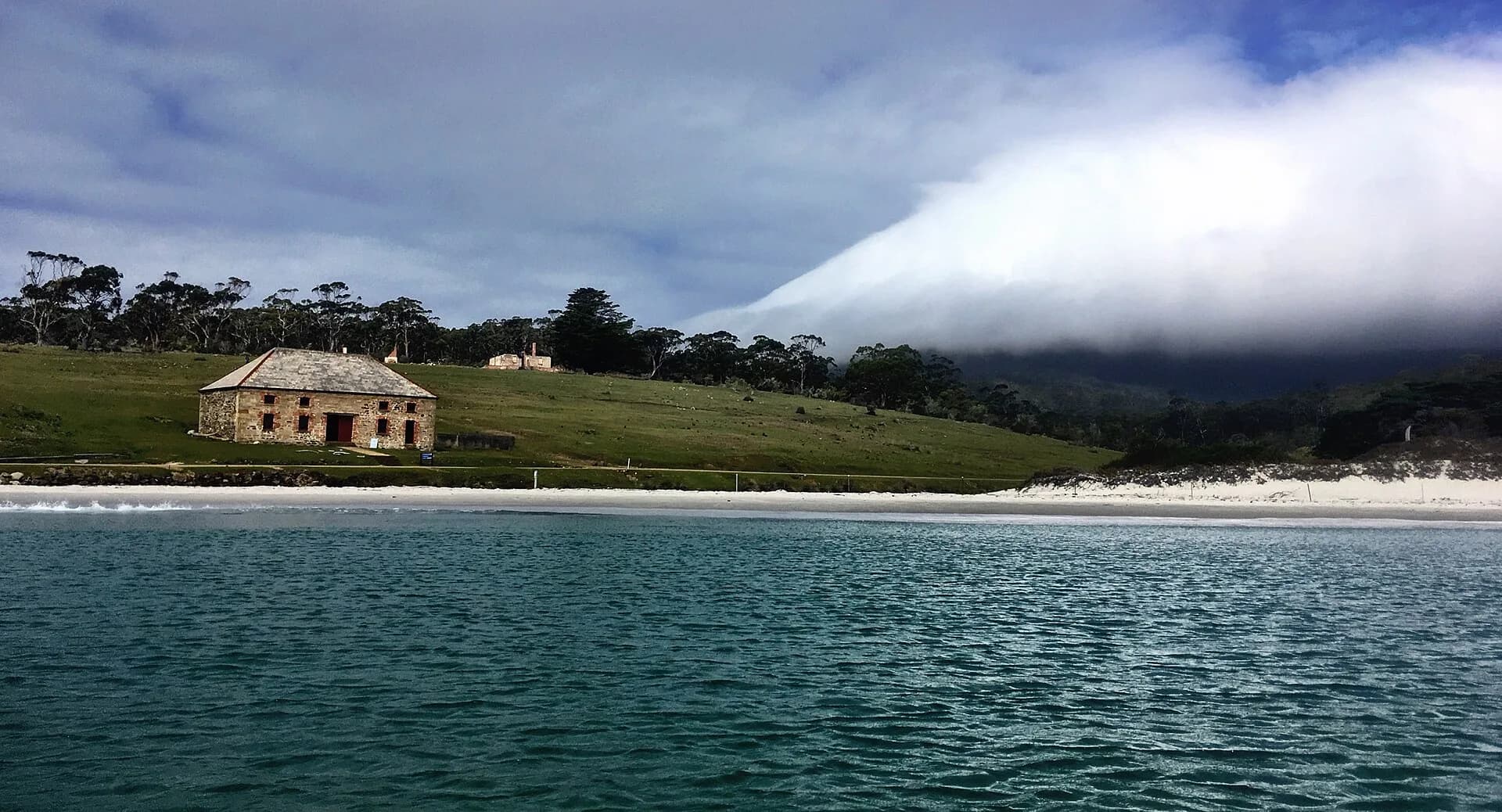

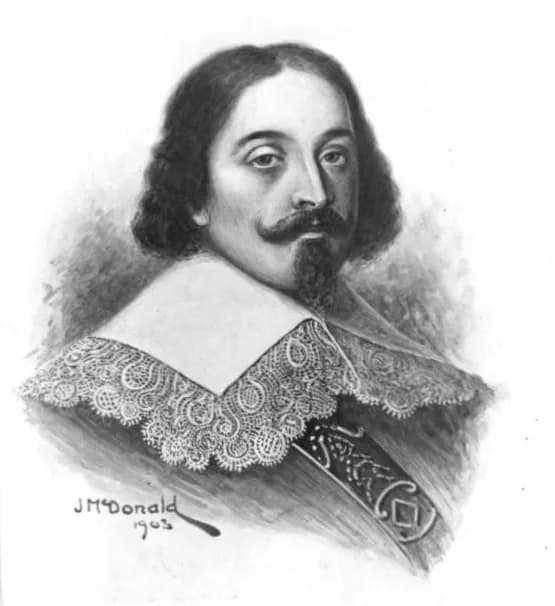
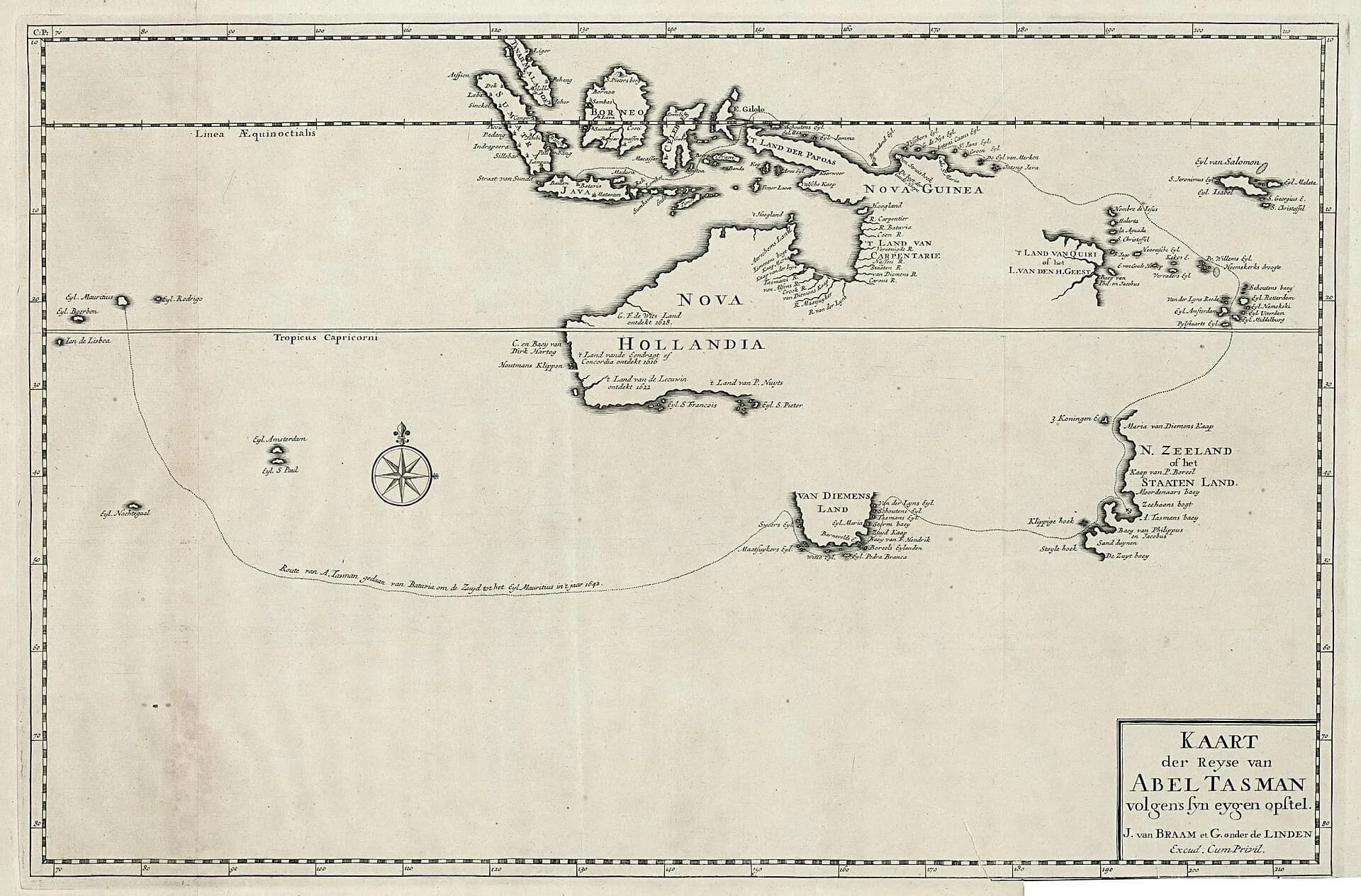
Maria van Diemen, born Maria van Aelst, was the wife of Anthony van Diemen, governor-general of the Dutch East Indies. Abel Tasman named “Maria’s Eylandt” for her in 1642 while sailing along the east coast of lutruwita.
The name came from an imperial network
Tasman’s expedition sailed for the Dutch East India Company from Batavia. Naming places for patrons and their families connected charts with status, finance and colonial ambition.
.jpg)
A namesake is not a local biography
Maria van Diemen did not visit the island. Little reliable biographical information enters Tasmanian public history beyond her marriage and namesake. Romantic stories about Tasman’s personal feelings are not supported by clear evidence.

The island’s history begins much earlier
Tasmanian Aboriginal people knew and visited the island, now also recorded as wukaluwikiwayna, long before a Dutch chart. Later convict stations, farming, industry and conservation added further layers.
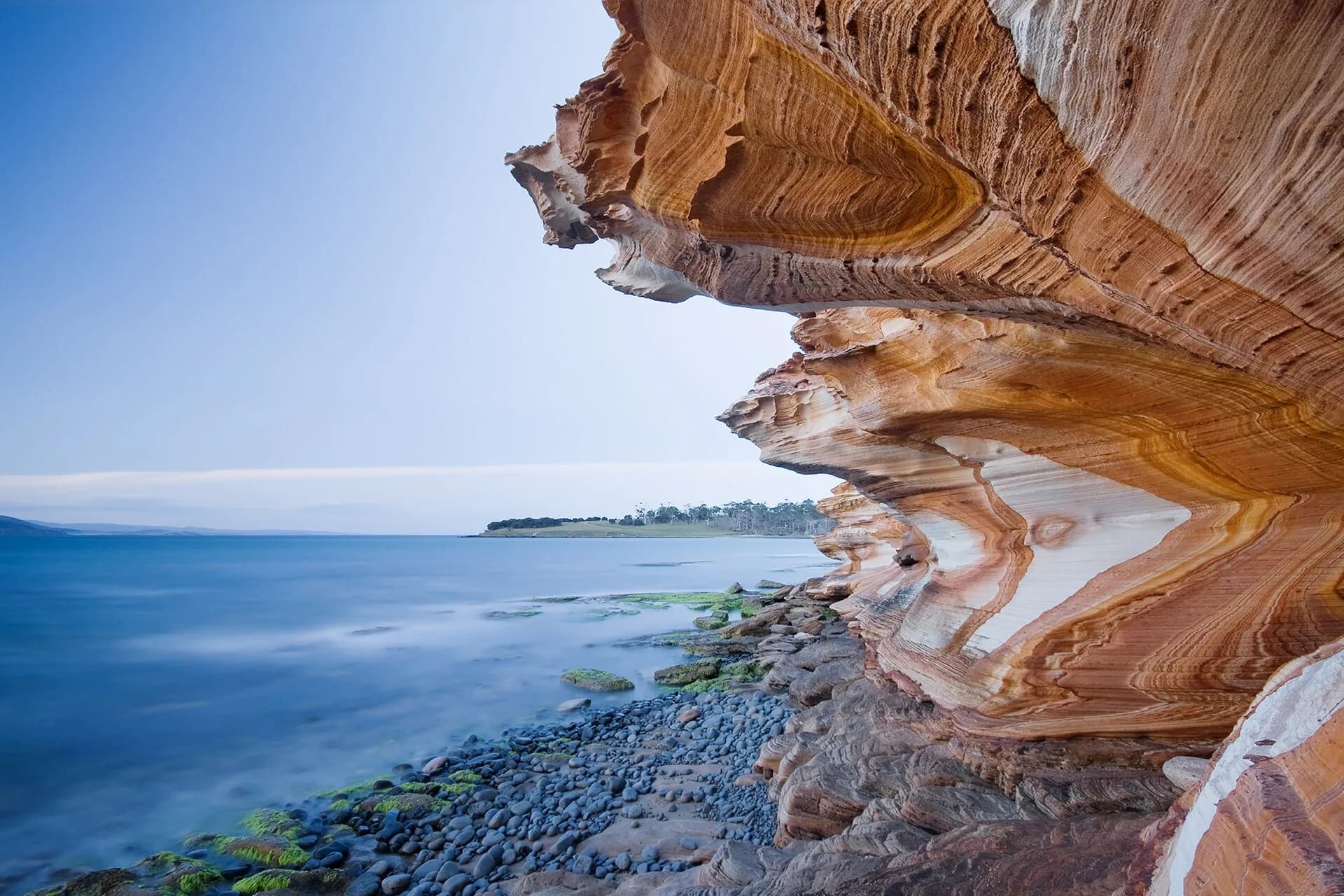

Use the Maria Island guide for access and living landscapes, and Abel Tasman for the 1642 voyage.