.jpg)
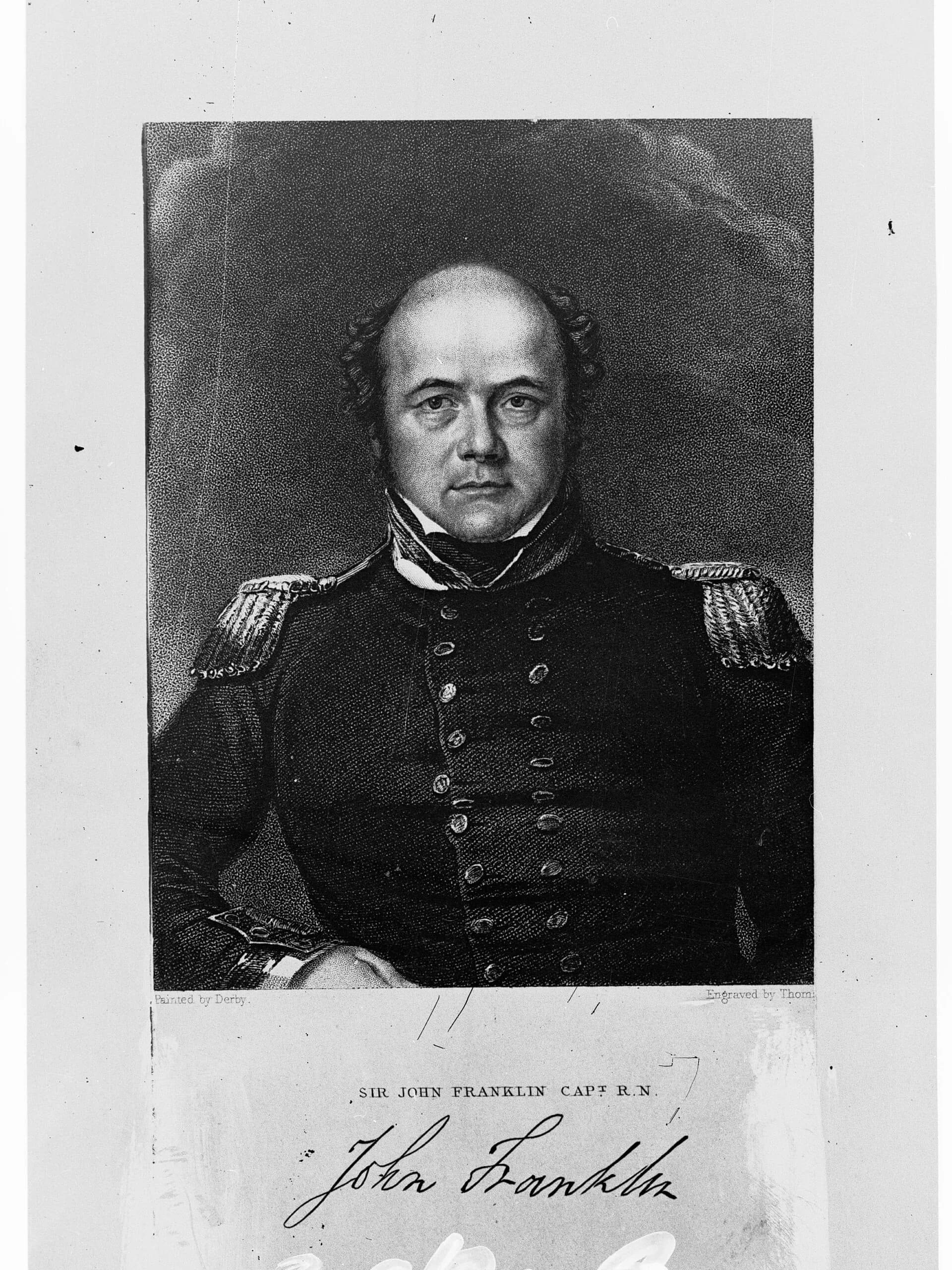
Tasmania’s governor is the state’s non-political constitutional head. The modern office should not be confused with early lieutenant-governors, who exercised direct imperial and administrative power in a penal colony.
Colonial titles changed with government
Separate administrations at Hobart and Port Dalrymple preceded one lieutenant-governor for the island. In 1856, responsible government and the renamed colony of Tasmania changed the office and its relationship with ministers and parliament.

The modern governor acts on constitutional advice
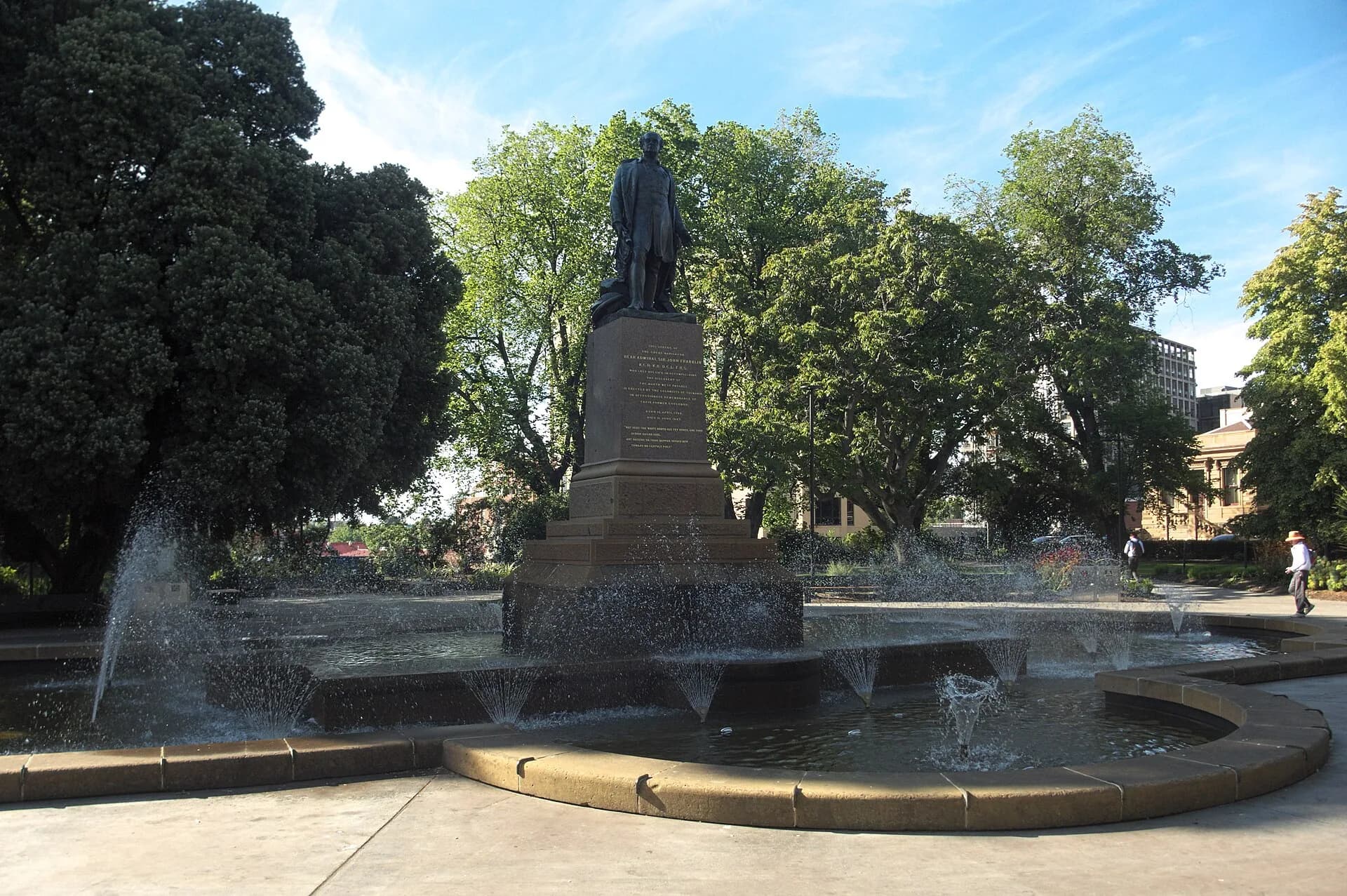
Functions include appointing ministers, assenting to legislation, presiding over Executive Council and representing the state at ceremonies. Most powers are exercised according to constitutional convention and ministerial advice.

Lists need dates and acting appointments
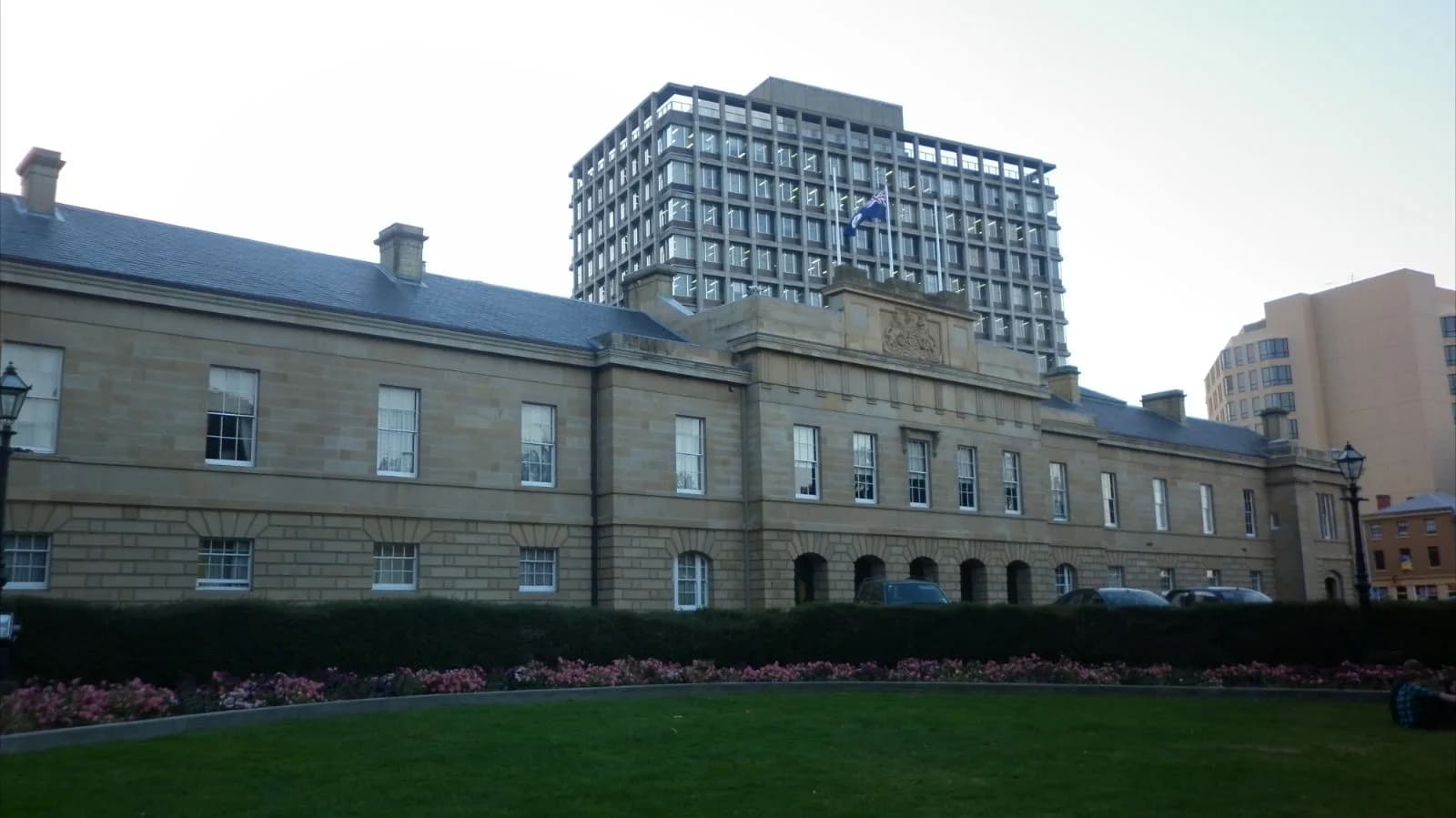
Official parliamentary and Government House records should resolve terms, acting governors and title changes. A simple numbered list can obscure periods when commandants or administrators performed the role.


Use the history of Tasmania for political context and Hobart historic sites for the civic landscape.