.jpg)
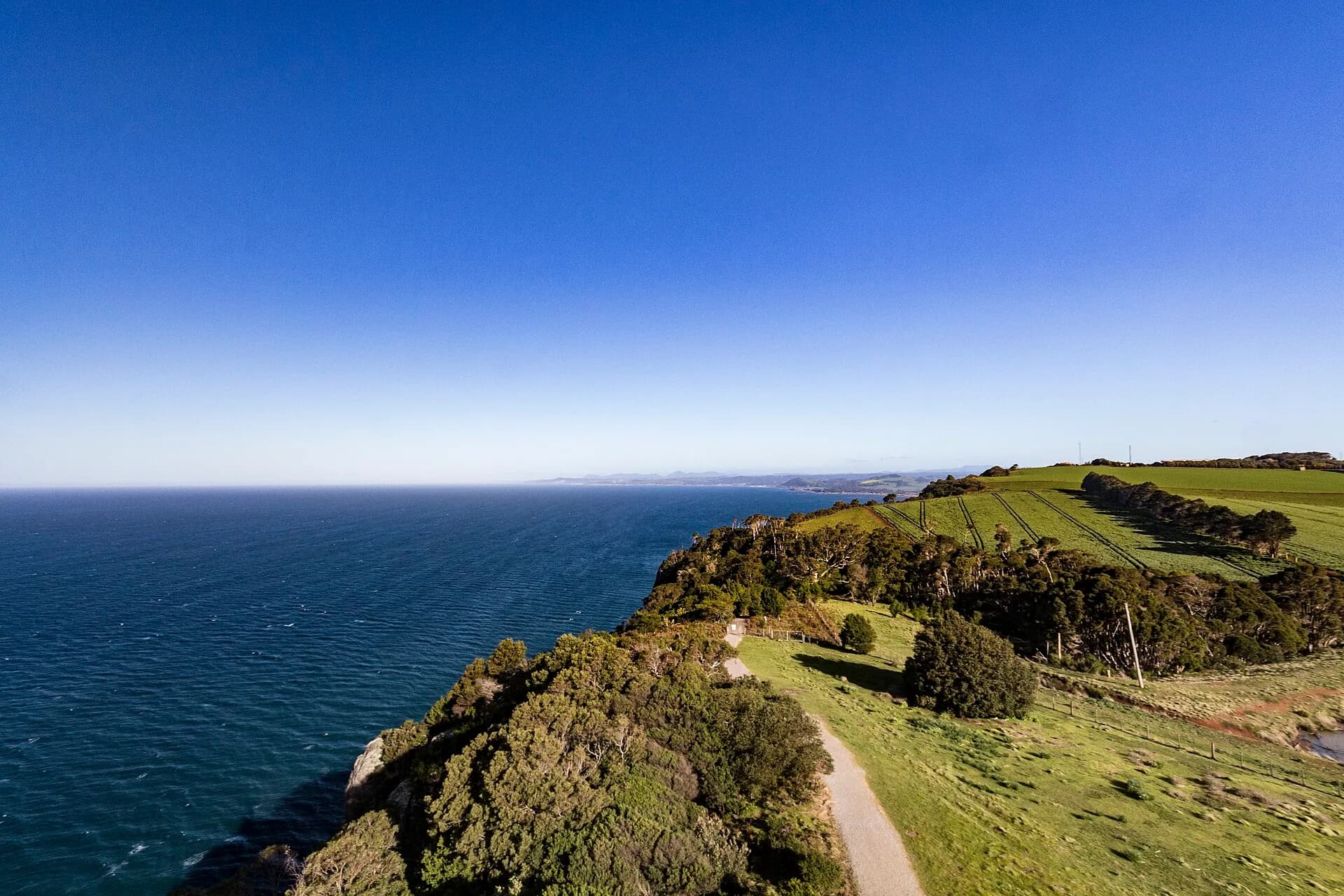
Murdering Gully Road near Table Cape takes its name from the killing of settler Samuel Oakes in May 1858. The name is sometimes treated as a piece of roadside curiosity, but the surviving record concerns a victim, a bereaved family, an accused man and a case that did not produce a conviction.
Newspaper reports describe the discovery
Contemporary reports state that Oakes failed to return home and was found near the road on 6 May. He had been shot and assaulted, and an attempt appeared to have been made to burn or conceal his body. Newspapers often used sensational language, so details should be checked against court and police records where they survive.

William Bannon was acquitted
Bannon had reportedly quarrelled with Oakes and was committed for trial on circumstantial evidence. A jury acquitted him at Launceston in July 1858. That verdict matters: he should not be described as the murderer, and no later conviction resolved the case.
_(13415643064).jpg)
A road name is not a crime scene attraction
The road passes homes and farms, with private property beside it. There is no reason to trespass, stop dangerously or search for an exact location. The historical value lies in records and careful interpretation.
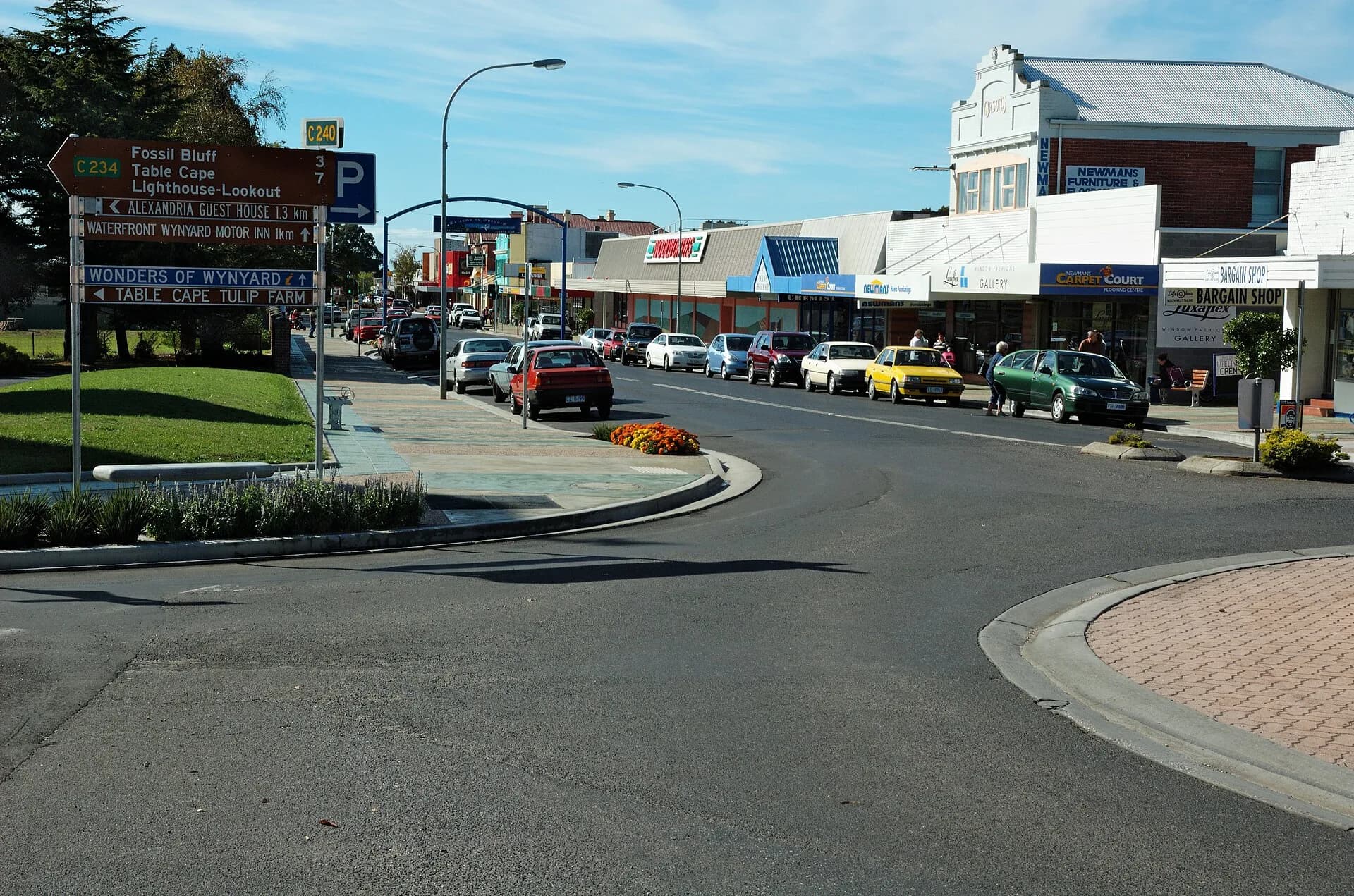

Read Wynyard history for the district and Table Cape for a present-day public visit.