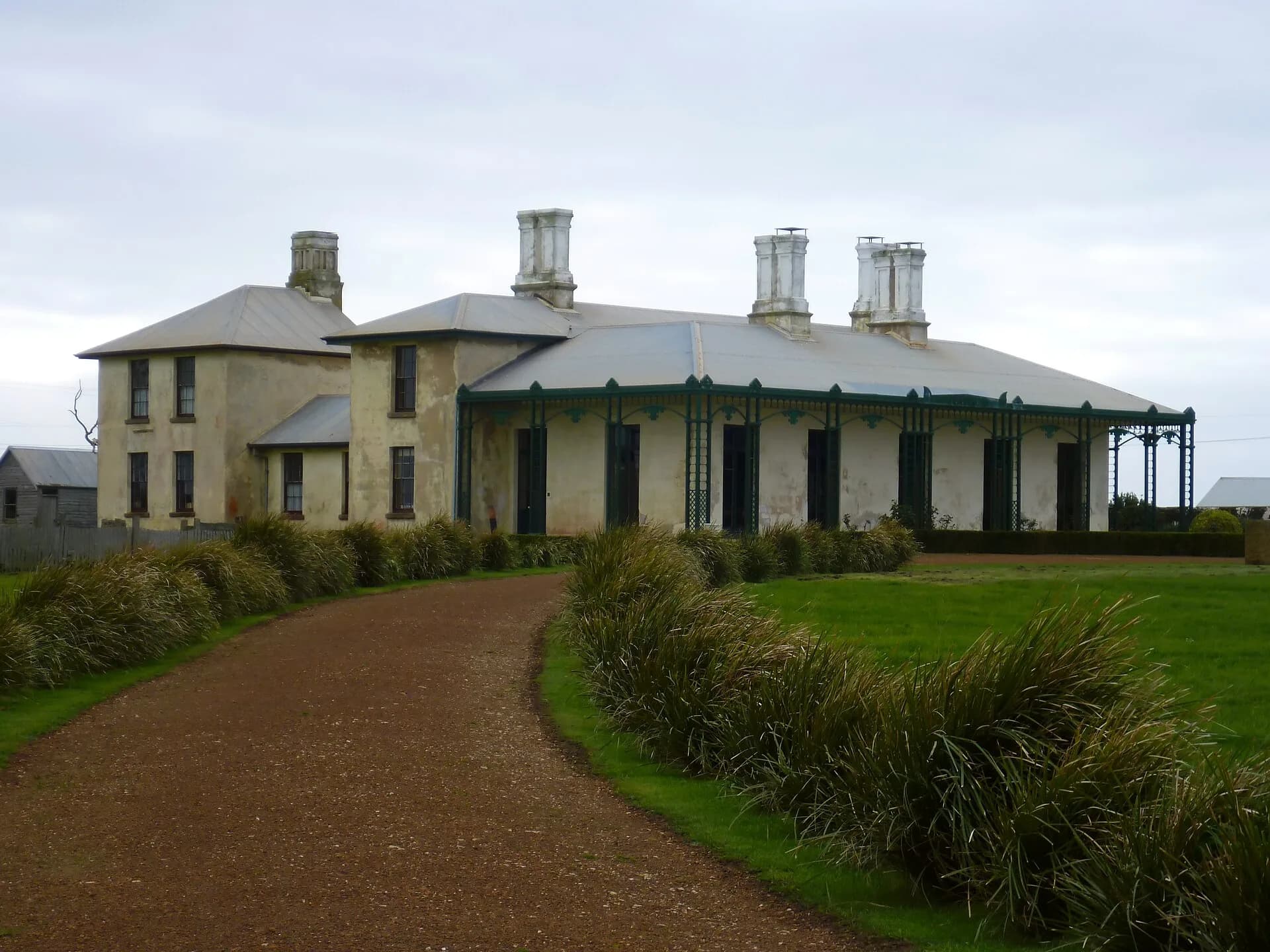

The Van Diemen’s Land Company was formed by British investors in 1824 and chartered in 1825 to produce wool and develop a vast north-west Tasmanian estate. Its records are central to the region’s history, but the company’s expansion cannot be separated from Aboriginal dispossession and frontier violence.
Land grants became a private geography
Company agents established a base at Circular Head in 1826, then surveyed Woolnorth, Surrey Hills, Hampshire Hills and routes to Emu Bay. The grant was divided across distant blocks whose soils, rainfall and transport varied sharply.

.jpg)
Wool ambitions met difficult country
Imported sheep did poorly in cold and wet inland districts. The company adapted through tenant farming, cattle, timber, transport ventures and later mineral and industrial interests. Roads and the Emu Bay railway connected company land with Burnie’s port.

The archive has silences and biases
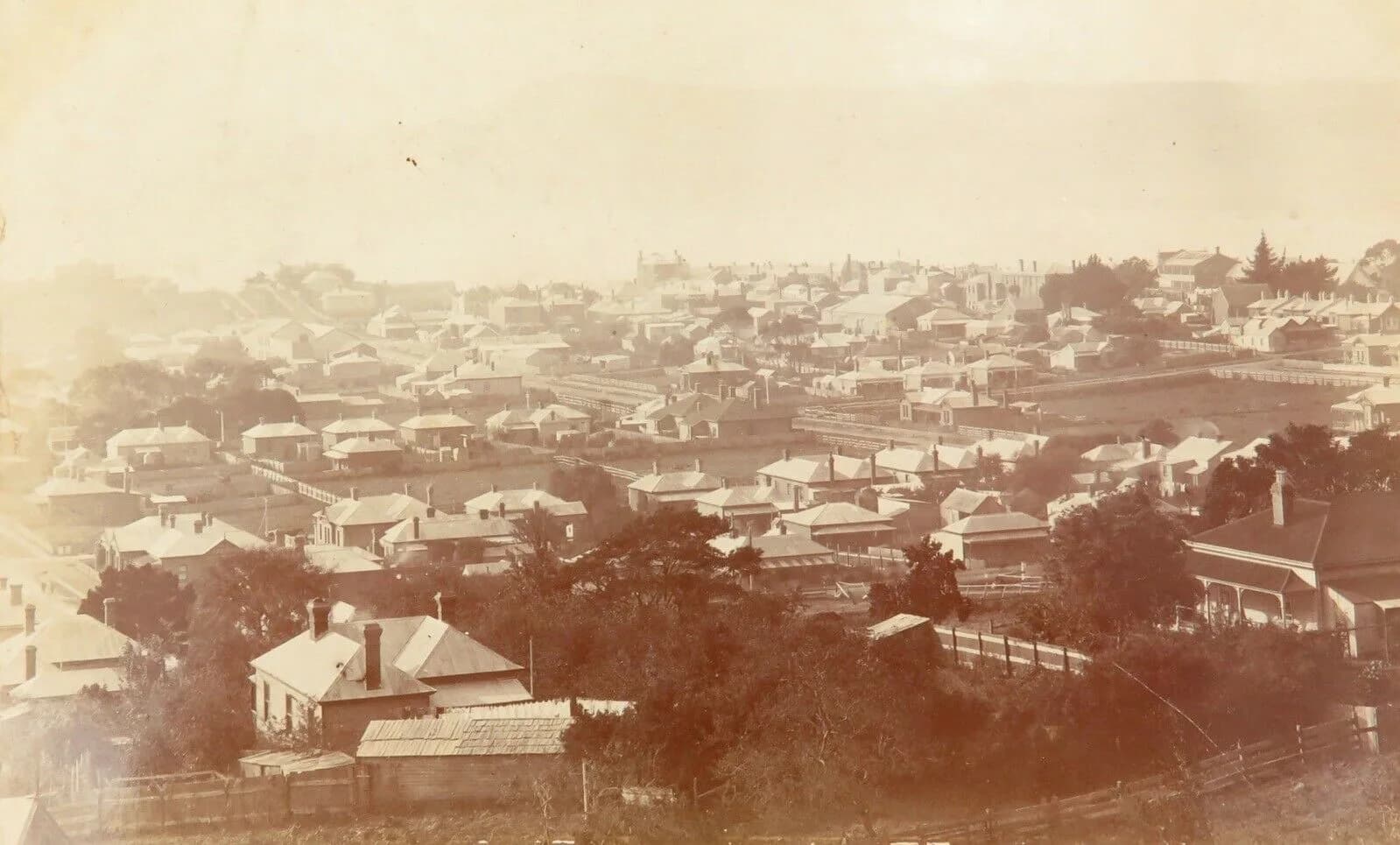
Company correspondence documents managers, surveys, stock and finance in unusual detail. Those records were produced by the occupying enterprise. Aboriginal histories, oral knowledge and evidence of resistance are essential to reading them critically.
.jpg)
Visit Highfield near Stanley for the company headquarters. The Cape Grim massacre page addresses one documented episode of frontier violence, while Burnie’s history follows the Emu Bay settlement.