
.jpg)
On 10 February 1828, Van Diemen’s Land Company shepherds killed Aboriginal people near Cape Grim. Historical estimates and records vary, but the event is documented as one of the most notorious episodes of frontier violence in Tasmania.
Violence followed Company occupation
The Company took a vast north-west grant on Aboriginal Country for pastoral development. Conflict over land, sheep and violence against Aboriginal women preceded retaliatory expeditions. The massacre cannot be understood as an isolated encounter between equal parties.

.jpg)
The record is incomplete and interested
Company officials controlled much of the written archive. Edward Curr disputed numbers, failed to initiate an effective investigation and did not promptly report the killings to Lieutenant-Governor Arthur. Later testimony and research place these omissions alongside other records.
.jpg)
Visiting the region is not visiting a monument
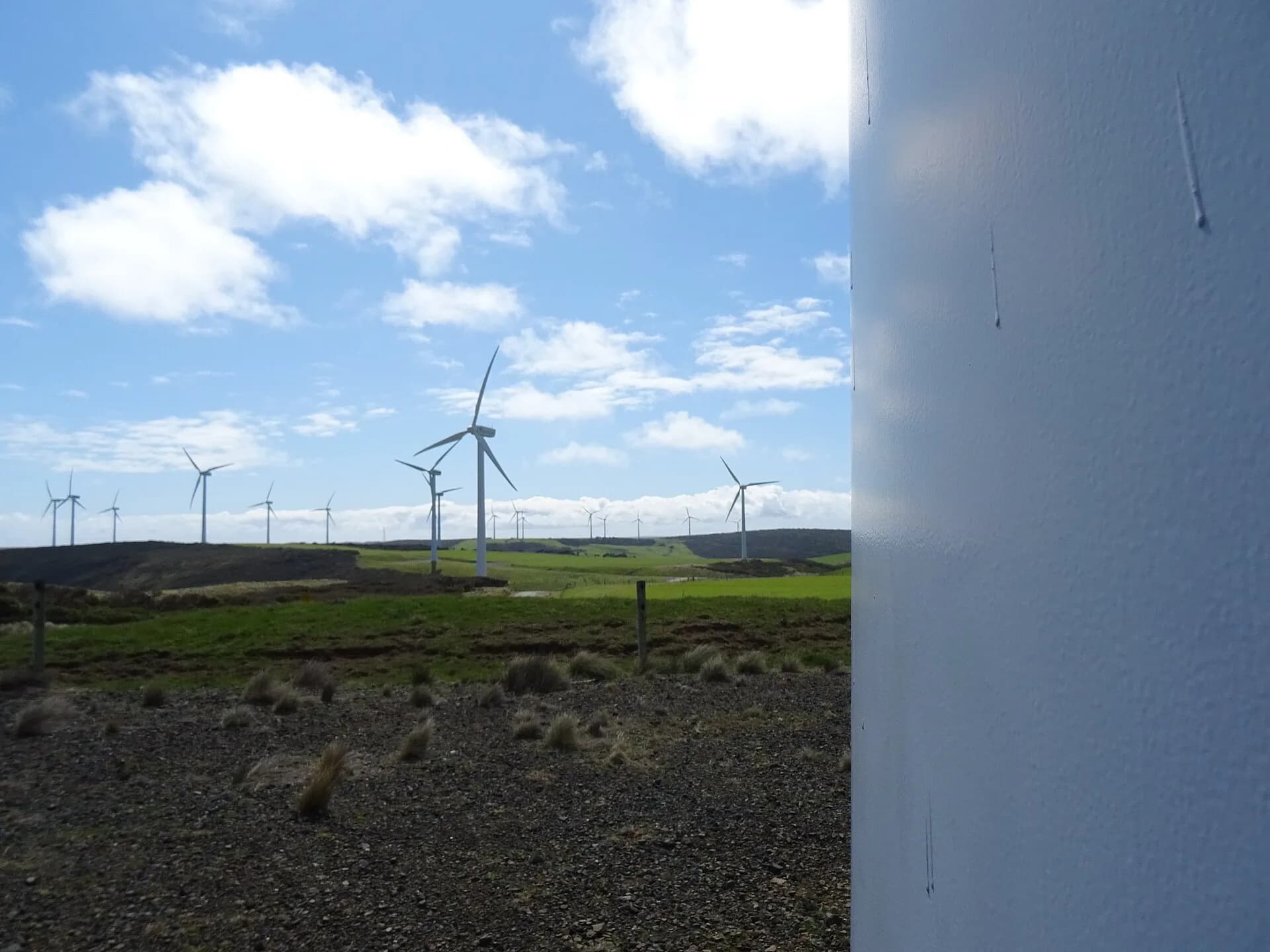
The coastal landscape includes private land, operating industry and culturally sensitive places. Do not seek an unmarked “massacre spot”, enter Woolnorth property or disturb Aboriginal heritage. Learn through Aboriginal organisations, museums, libraries and published scholarship.
The North West history guide places the event within the region’s colonisation. The Aboriginal Tasmania research guide provides broader context and pathways to Aboriginal-led sources.