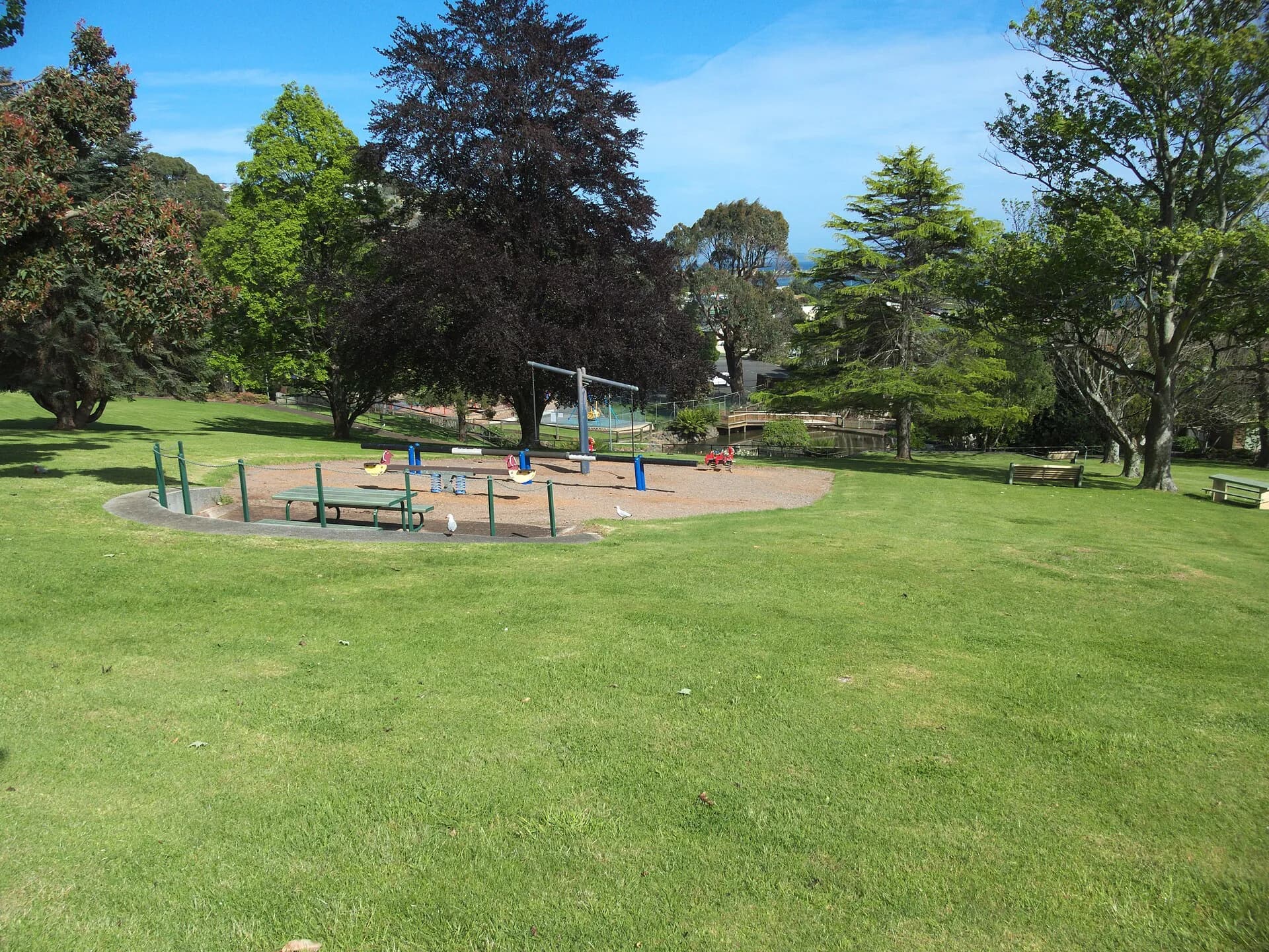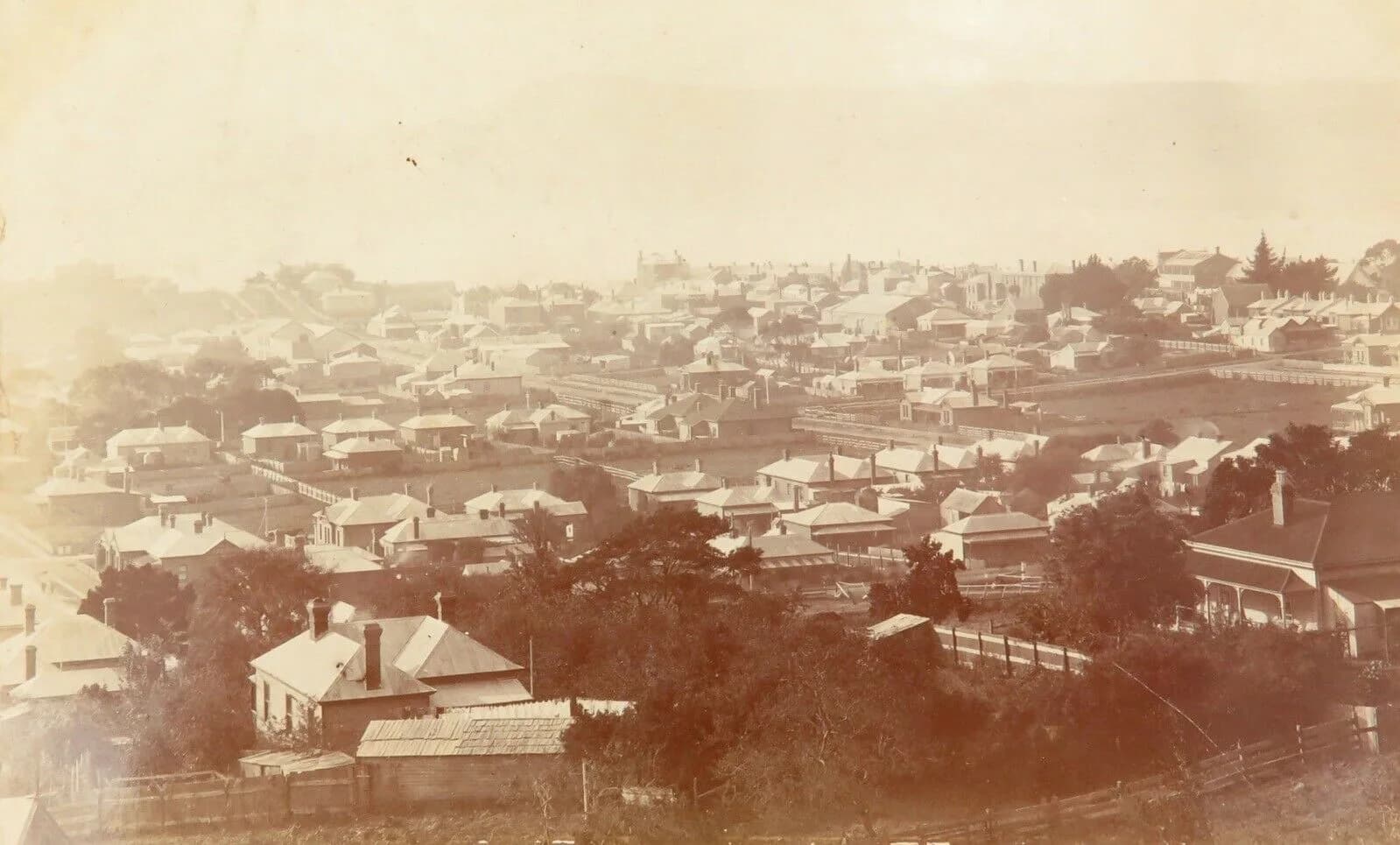

Oakleigh Park occupies a small area at Brickwell Street and Marine Terrace in South Burnie. Its importance is historical and archaeological: Heritage Tasmania identifies it as the site of Burnie's first recorded colonial settlement and an early Van Diemen's Land Company base.
Most of the story is below or within the ground
The register entry records evidence associated with early buildings, occupation and administration. Surviving fabric and archaeological deposits can explain how the company established its Emu Bay headquarters while opening north-west lands to pastoral and commercial use.
_%E2%80%93_Winter%27s_Snappy_Service.jpg)
This is not a place for fossicking, metal detecting or collecting fragments. Ground disturbance can destroy relationships between objects, structures and soil layers that give an archaeological site meaning.
Read the colonial site critically
The Van Diemen's Land Company's expansion imposed surveyed property, grazing and extractive priorities on Aboriginal Country. A useful visit therefore considers both Burnie's industrial beginnings and the larger process of dispossession behind colonial settlement.
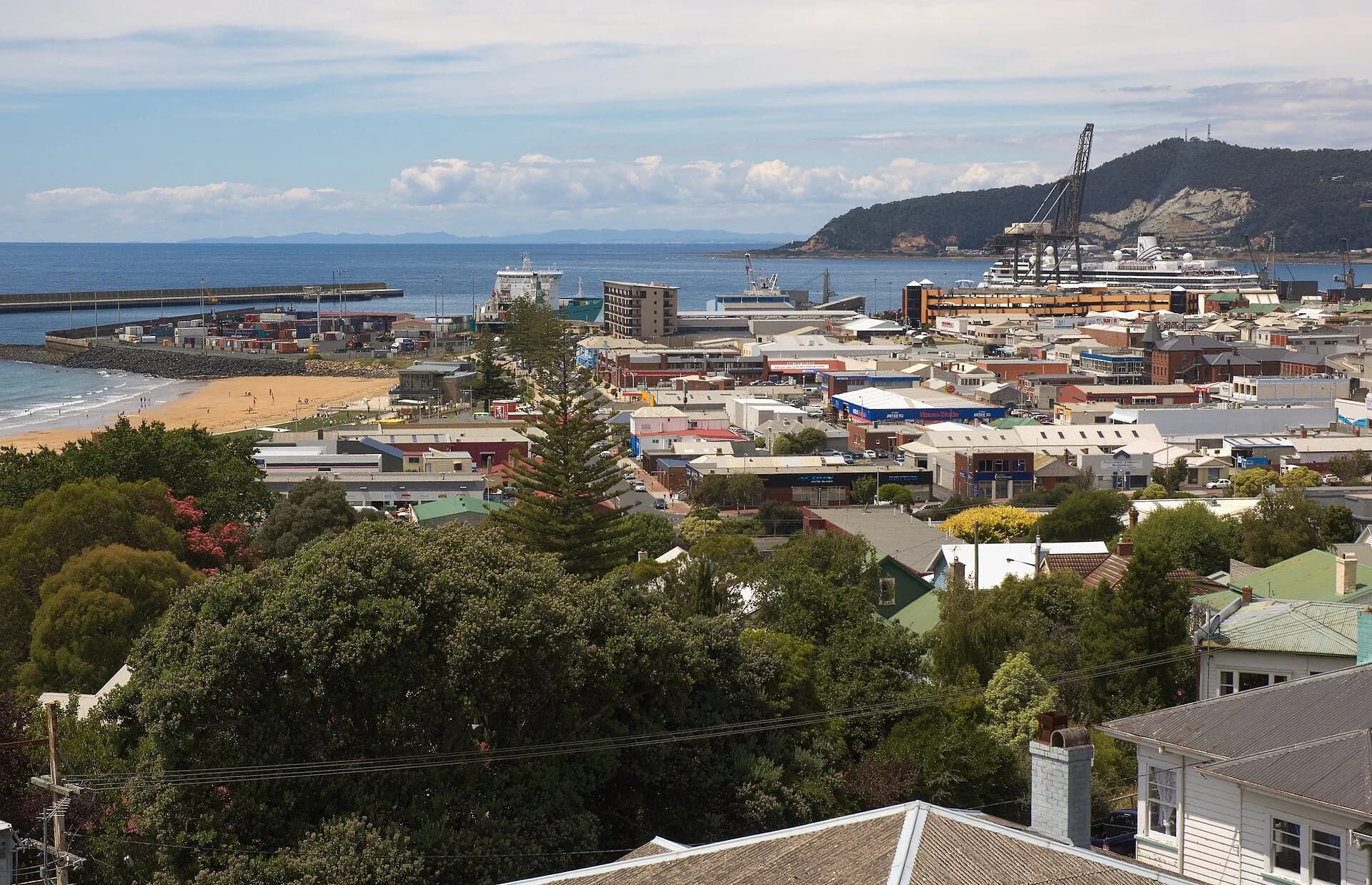

The place is near roads and industrial land, so use public access only and obey current signs. Do not expect a staffed interpretation centre, toilets or picnic facilities at the heritage boundary.
Continue at places with visitor facilities
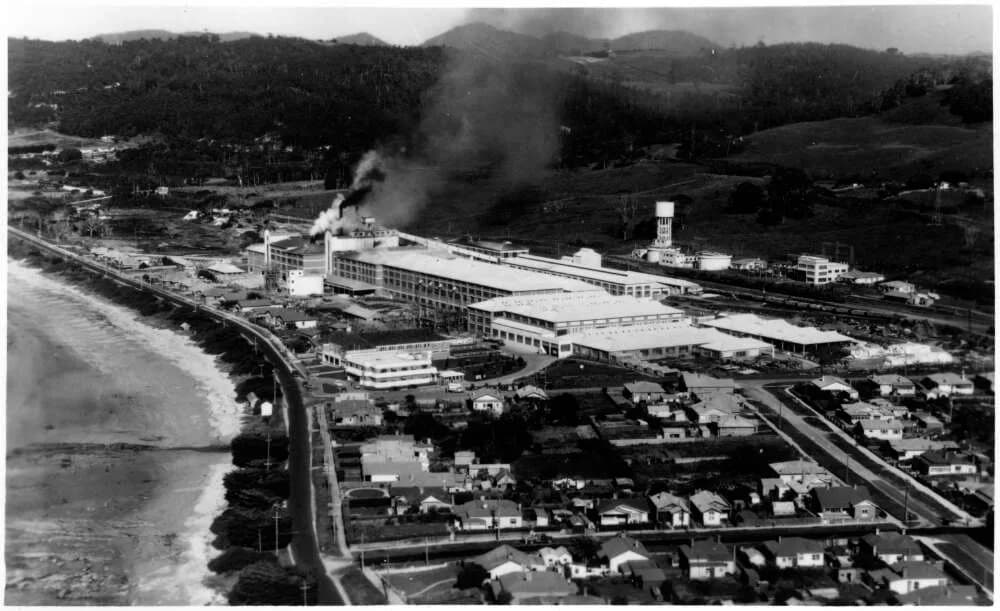
The Burnie history and heritage guide provides a wider city context. Burnie Park is a separate public recreation park with historic elements, while the Port of Burnie shows how transport and industry continued to reshape Emu Bay.