
Where the caves are and what they protect
Tasmania’s karst lands include an array of caves, sinkholes, underground streams and springs. These landscapes are part of the Tasmanian Wilderness World Heritage Area in places and protect unique geological features, rare cave-adapted animals and Aboriginal cultural sites. Some caves are managed as show caves with guided entry. Many others are closed or restricted to protect fragile values.
Show caves you can visit
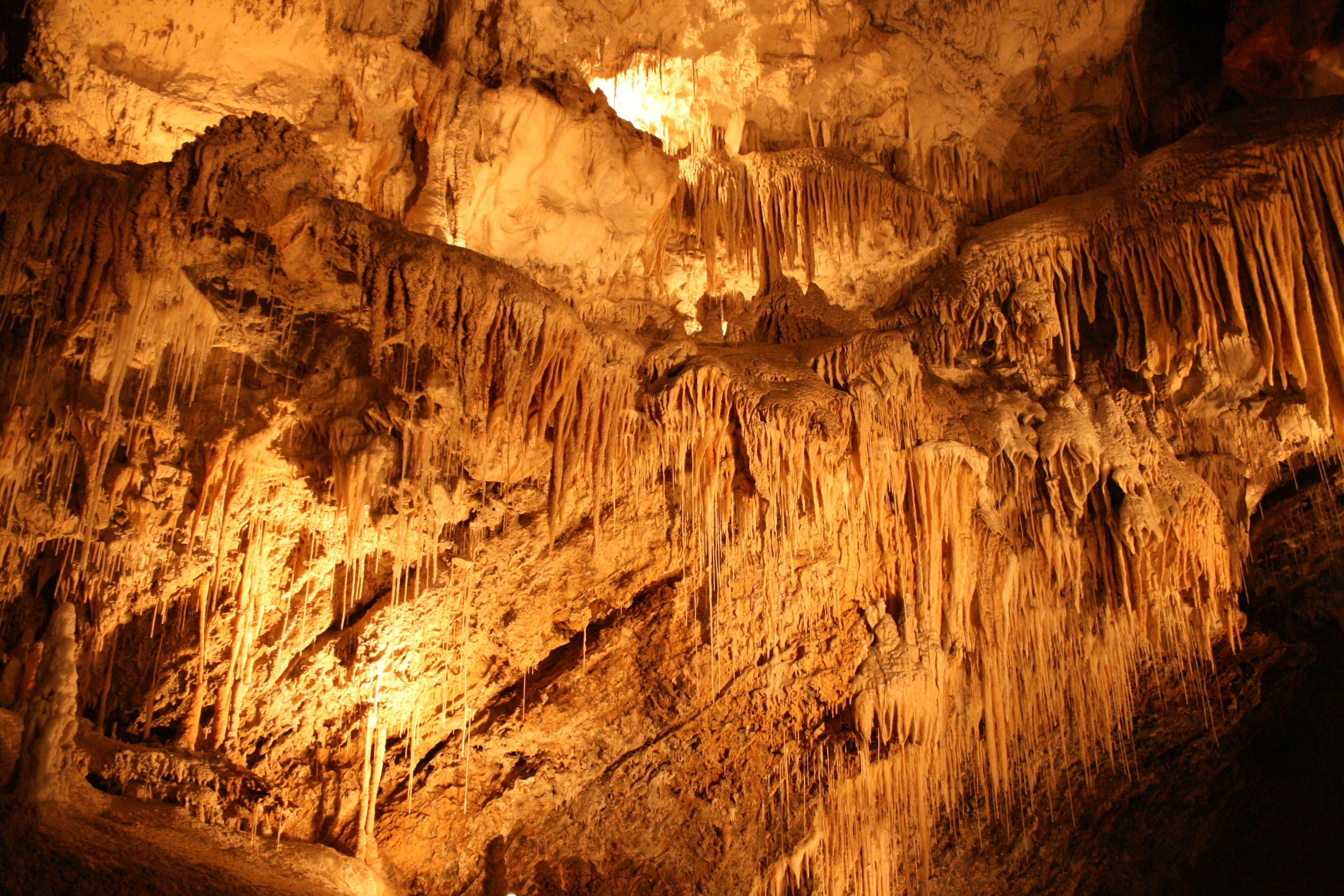
Public tours operate at a small number of locations. Marakoopa and King Solomons in the Mole Creek karst system provide contrasting underground environments. Marakoopa is known for glow-worm displays and large cavern spaces, while King Solomons is drier and richly decorated with stalactites and shawls. Hastings Caves State Reserve offers guided tours into Newdegate Cave, a large dolomite tourist cave, and a year-round thermal pool. Gunns Plains operates as a privately run show cave with its own timetable and visitor arrangements.
Private, restricted and culturally sensitive sites
Not every cave is open to the public. Some locations are Aboriginal land or hold important archaeological evidence and are not available for casual visitation. Kutikina, for example, is recognised for its archaeological importance and is part of returned Aboriginal land; it is not a show cave and should not be sought out. The general rule is: do not enter unlisted, gated or culturally sensitive caves.
Access, bookings and seasonal checks
Entry to the show caves is by guided tour only. Booking rules vary: commercial and educational groups often need to reserve, and groups above a particular size must book in advance. At Hastings, tours run regularly and visitors are asked to buy tickets at the visitor centre and check in well before the advertised tour time. Visitor centre opening hours and tour frequencies can change with season and staffing, so check current advice from the managing authority before you go. For privately operated sites like Gunns Plains, check the operator’s current tour times, prices and mobility information rather than relying on old listings.
What to bring and suitability
Caves are cool, damp and can be uneven underfoot. Sturdy enclosed footwear and warm clothing are recommended for most tours, and some tours have specific fitness requirements. One Marakoopa tour type is described as requiring medium fitness because of the larger cavern and internal steps. Avoid backpacks, selfie sticks and tripods inside caves where they are banned to protect formations and wildlife. If you plan to visit other parts of a national park beyond the show caves, remember a parks pass may be required for those areas even when show cave entry itself does not need one.
Safety, wildlife and cultural respect
Follow guides and site rules at all times. Do not touch formations, which can be damaged by skin oils, and do not disturb cave fauna. A range of specialised invertebrates and cave-adapted species live in these systems; some are found only in a single cave system. Do not attempt independent caving in restricted or gated caves. Respect cultural protections around Aboriginal sites and do not try to locate or access culturally sensitive caves. Dogs are not permitted in some reserves, and other site-specific prohibitions exist to protect the environment.
Getting there, parking and vehicle notes
Expect limited parking at some cave visitor points and narrow access roads. At Mole Creek, larger vehicles and motor homes are usually required to remain in designated lower carparks with a short walk of several hundred metres to the cave entrance. Allow extra time for this walk when planning your visit. In remote reserves there are GPS black spots and mobile coverage may be unreliable, so follow local road signage. Where possible, avoid driving reserves at night because native wildlife is active on roads.
Thermal pools and surface facilities
Hastings Caves State Reserve combines a cave tour with a mineral-rich thermal pool that remains warm through the year. The thermal pool generally does not require the same booking as cave tours, but check the reserve notes on entry and visitor centre opening hours. Surface facilities at show cave reserves often include picnic areas, toilets and accessible visitor centres, but cave paths may contain stairs and low lighting that limit suitability for some mobility-impaired visitors.
Final checks before you travel
Confirm current visitor centre hours and tour start times for the exact day you plan to visit. If you are travelling in a motor home or towing, check vehicle restrictions and designated parking areas. If you are part of a large commercial or educational group, make a booking in advance. Respect all cave closures and cultural protections and leave formations and wildlife undisturbed.