_Scottsdale.jpg)
Northern Tasmania offers wildlife sanctuaries, specialist interpretation centres and opportunities to see animals in the wild. None should be judged only by how close a photograph you can obtain.
Specialist centres
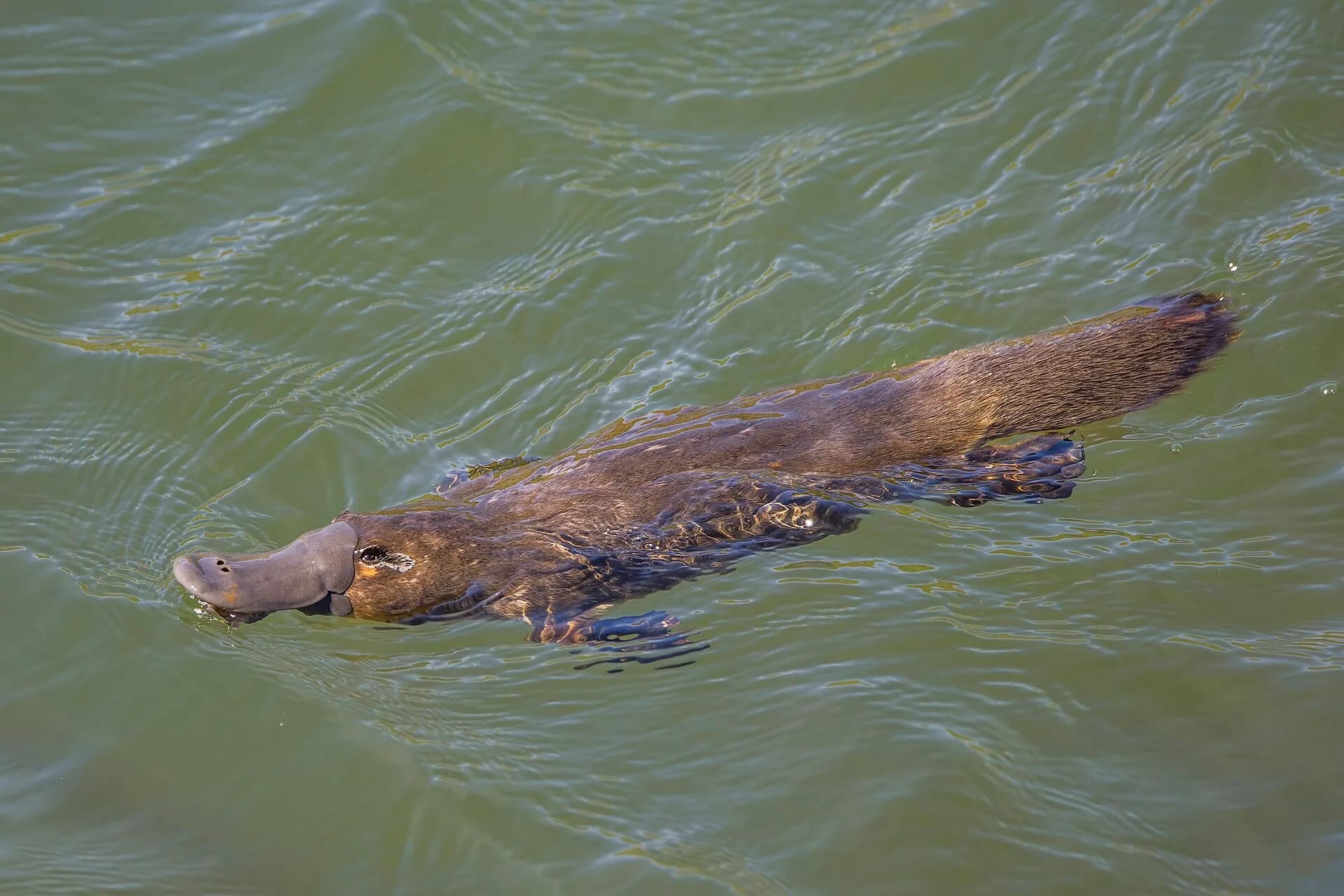
Beauty Point’s platypus and seahorse centres interpret freshwater and marine species. Wildlife parks near Launceston and Mole Creek care for native animals, but programmes, encounters and opening hours require direct checks.

Devils and other nocturnal animals
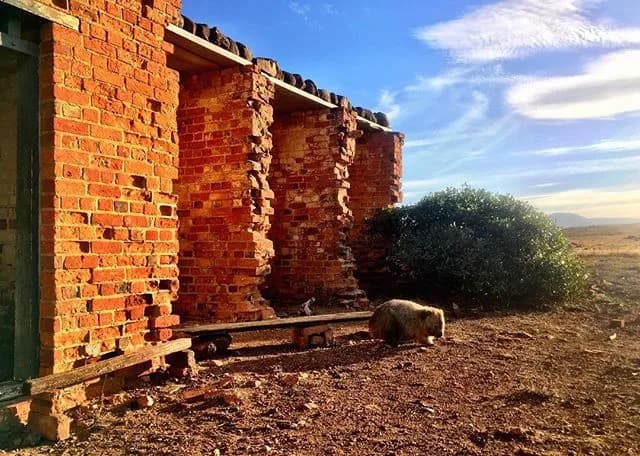
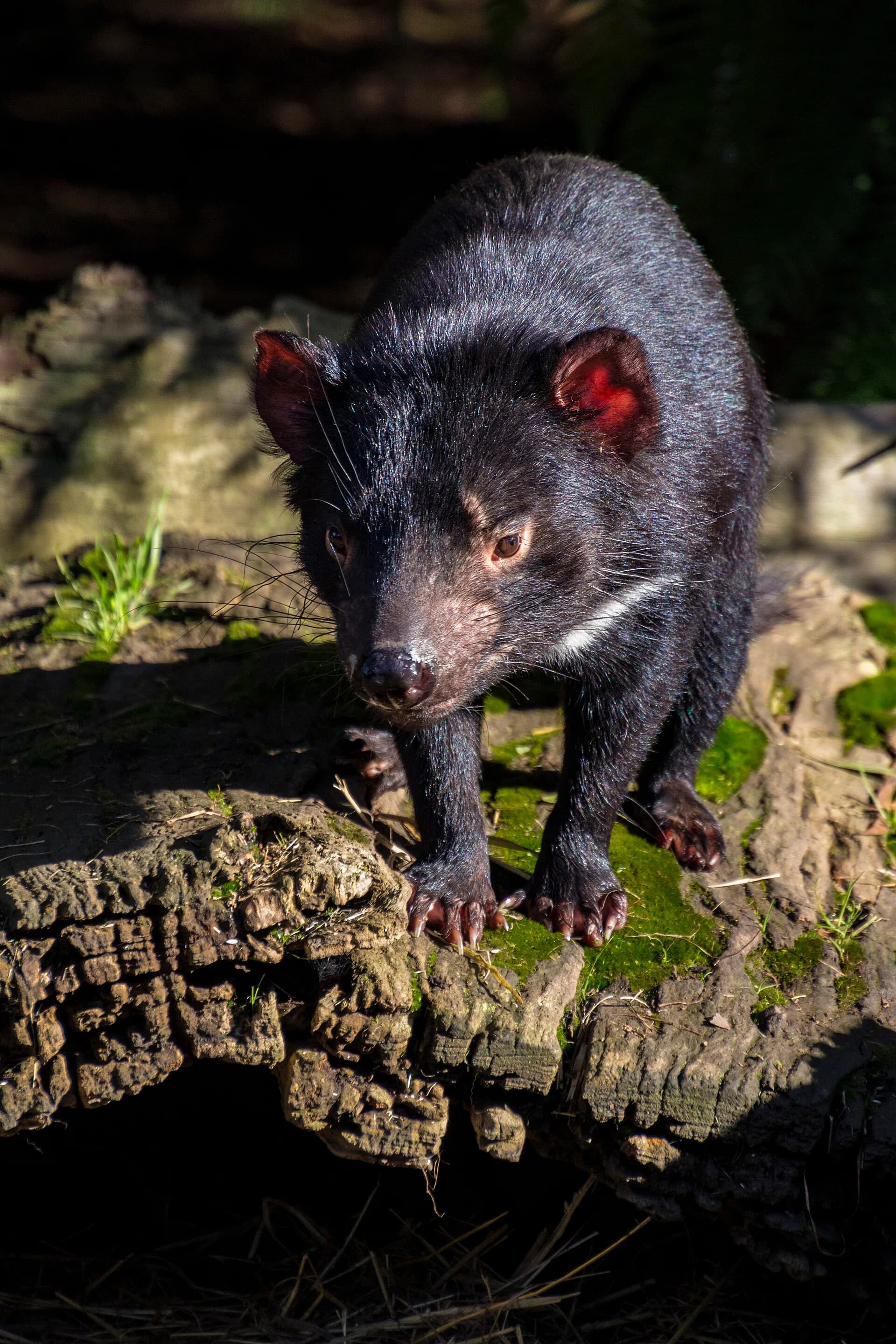
Tasmanian devils are difficult to see responsibly in the wild. Accredited sanctuaries can explain disease, rehabilitation and conservation. Do not bait or approach roadkill to attract animals.
.jpg)
Penguin viewing
Low Head has managed evening tours. Keep lights low, avoid flash, stay out of burrows and never block penguins moving between sea and nests. Seasonal activity varies and sightings cannot be guaranteed.
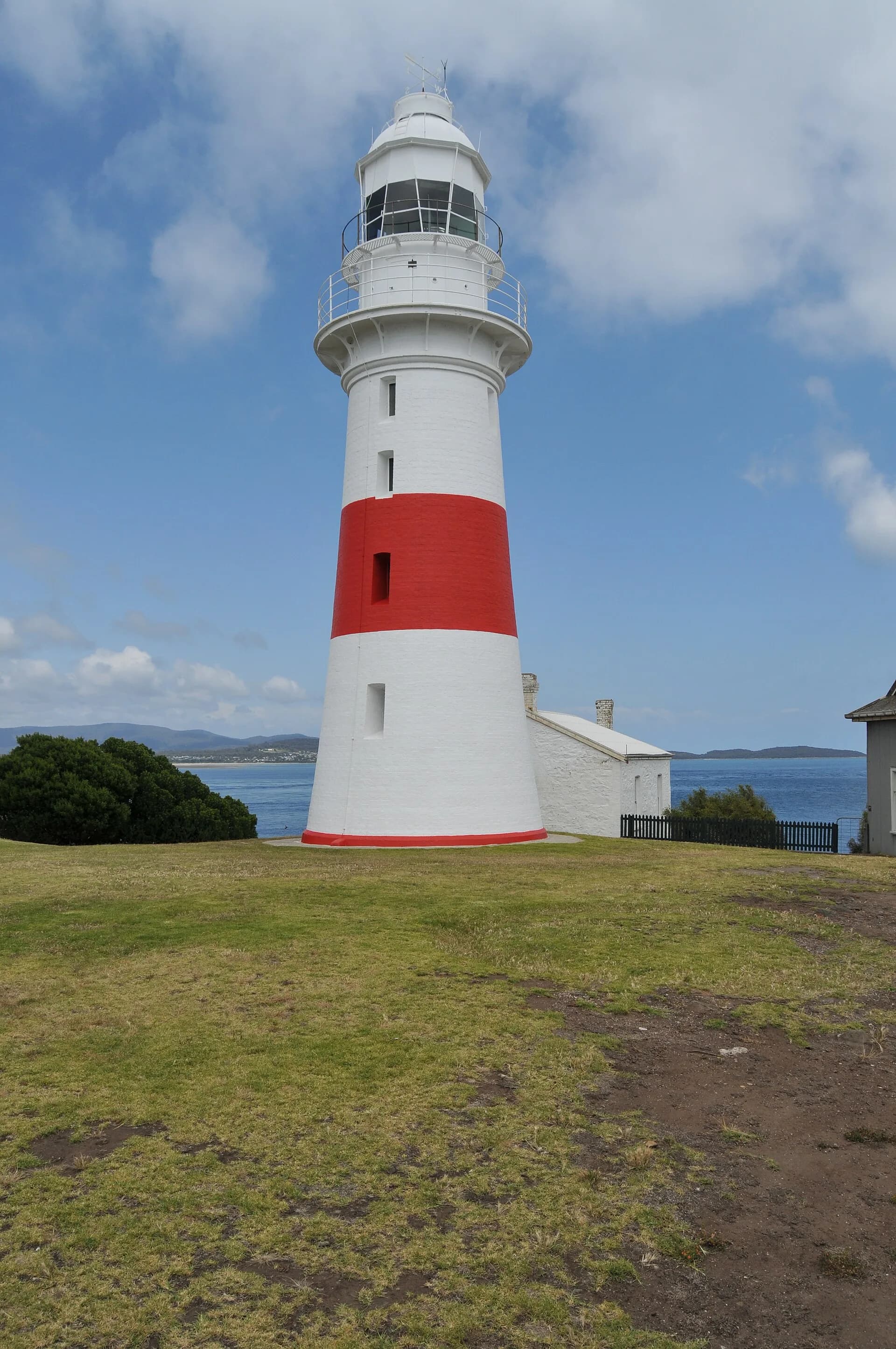

For habitat rather than captive viewing, use the Low Head guide or plan a longer stay on Maria Island.