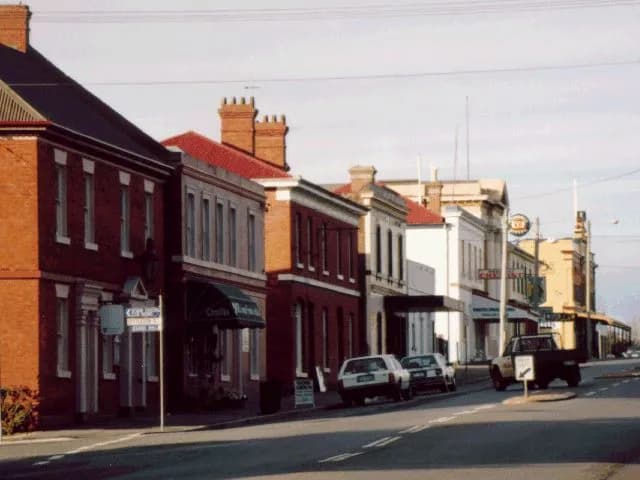

For fifteen years, public roads around Longford formed one of Australia’s fastest and most demanding motor-racing circuits. Cars and motorcycles crossed bridges, passed farms and buildings, and reached remarkable speeds on narrow roads designed for everyday travel rather than modern racing safety.
How the circuit began
Northern Midlands Council records that the idea emerged through the Launceston Motor Cycle Club in the late 1940s. The first meeting took place in 1953, with the volunteer Longford Motor Racing Association organising later events. Meetings were held around the March long weekend.
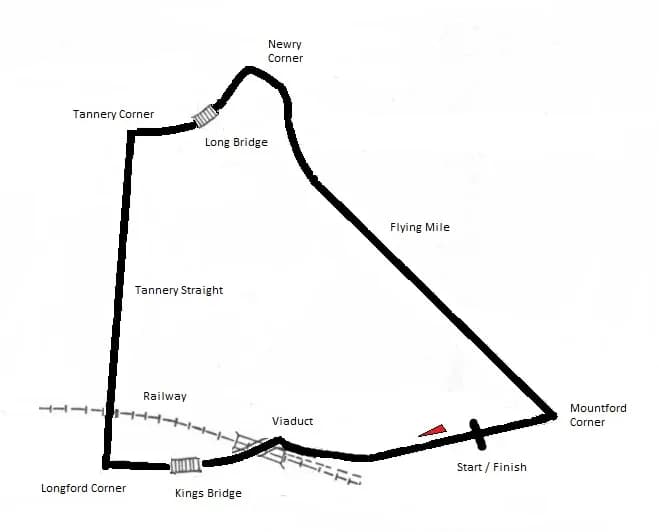
The 7.2-kilometre route used public roads and distinctive landmarks. Its long straights, railway crossing, bridges and rapid changes in surface or direction made it exciting and hazardous.

International racing in a rural town
Longford attracted leading Australian and international drivers and riders. It hosted the Australian Grand Prix in 1959 and 1965 and rounds of the Tasman Series from 1964 to 1968. Jack Brabham competed repeatedly, alongside other world champions and prominent New Zealand drivers.
Crowds transformed the town during race weekends. Council research records daily attendance reaching tens of thousands, making the event an extraordinary logistical undertaking for a small rural community.

Speed, danger and closure
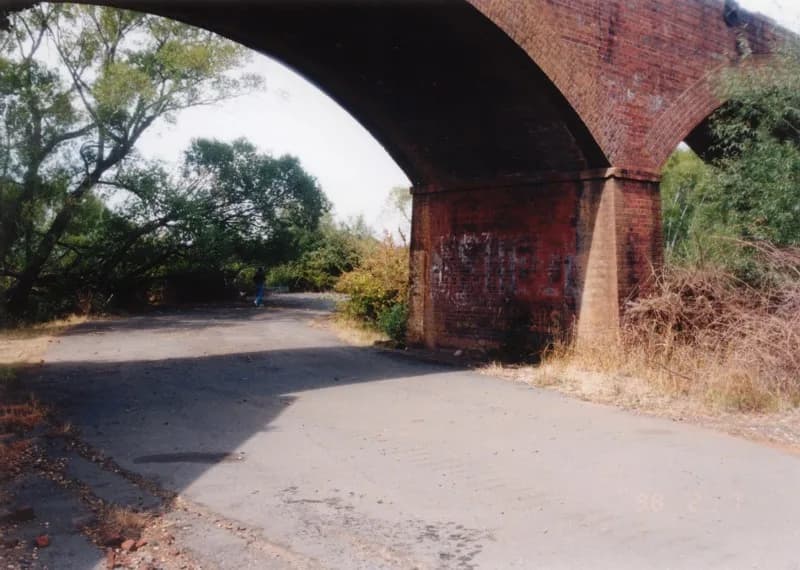
The circuit’s character also created its greatest problems. Trees, buildings, bridge structures and railway infrastructure stood close to the course. Several competitors died during the racing years, and their loss is part of the story rather than a footnote to records and famous names.
Rising costs and the need for major safety improvements made the event increasingly difficult to sustain. International calendar conflicts also reduced access to leading drivers. The final meeting was held in 1968. Chris Amon set the outright lap record in a Ferrari sports car, averaging about 200 kilometres per hour according to the council’s historical summary.
Finding the circuit today
Most of the route returned to ordinary road use. Some landmarks survive, but traffic conditions, property access and structures have changed. Do not attempt to drive the old circuit at racing speed or stop unsafely for photographs.
Interpretive panels and the Longford motor-racing collection provide safer ways to understand the route. The broader town is also part of the Heritage Highway, with colonial buildings and nearby estates that predate the racing era.