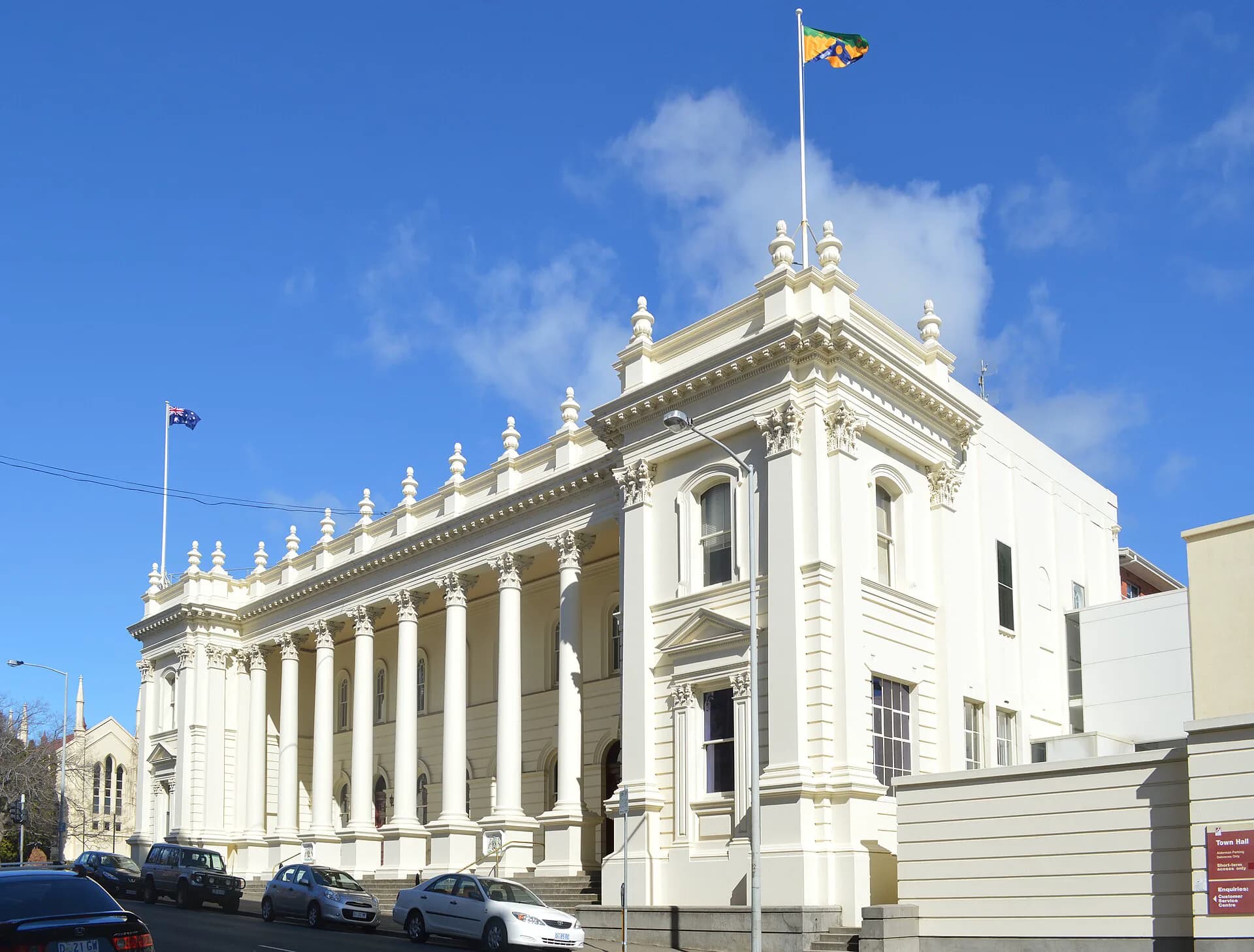

Launceston’s history is distributed across civic buildings, bridges, former industrial sites and places beyond the central grid. A useful visit links those sites by theme rather than treating every old facade as the same story.
Civic Launceston
Town Hall and the buildings around Cameron and St John streets reflect local government, commerce and public ceremony. Exterior details are easy to see from public footpaths, while interior access depends on current use.
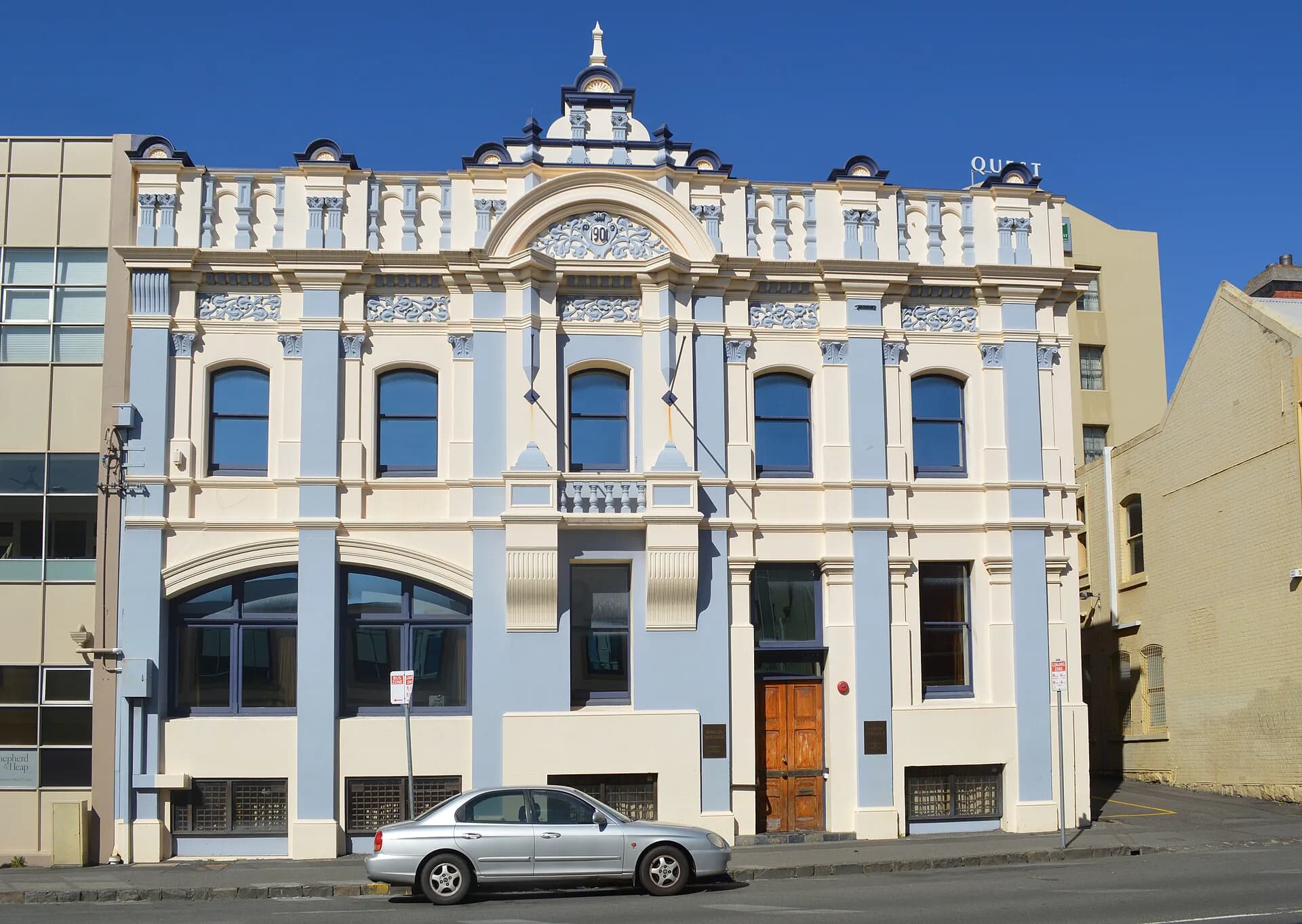

Rivers, bridges and mills
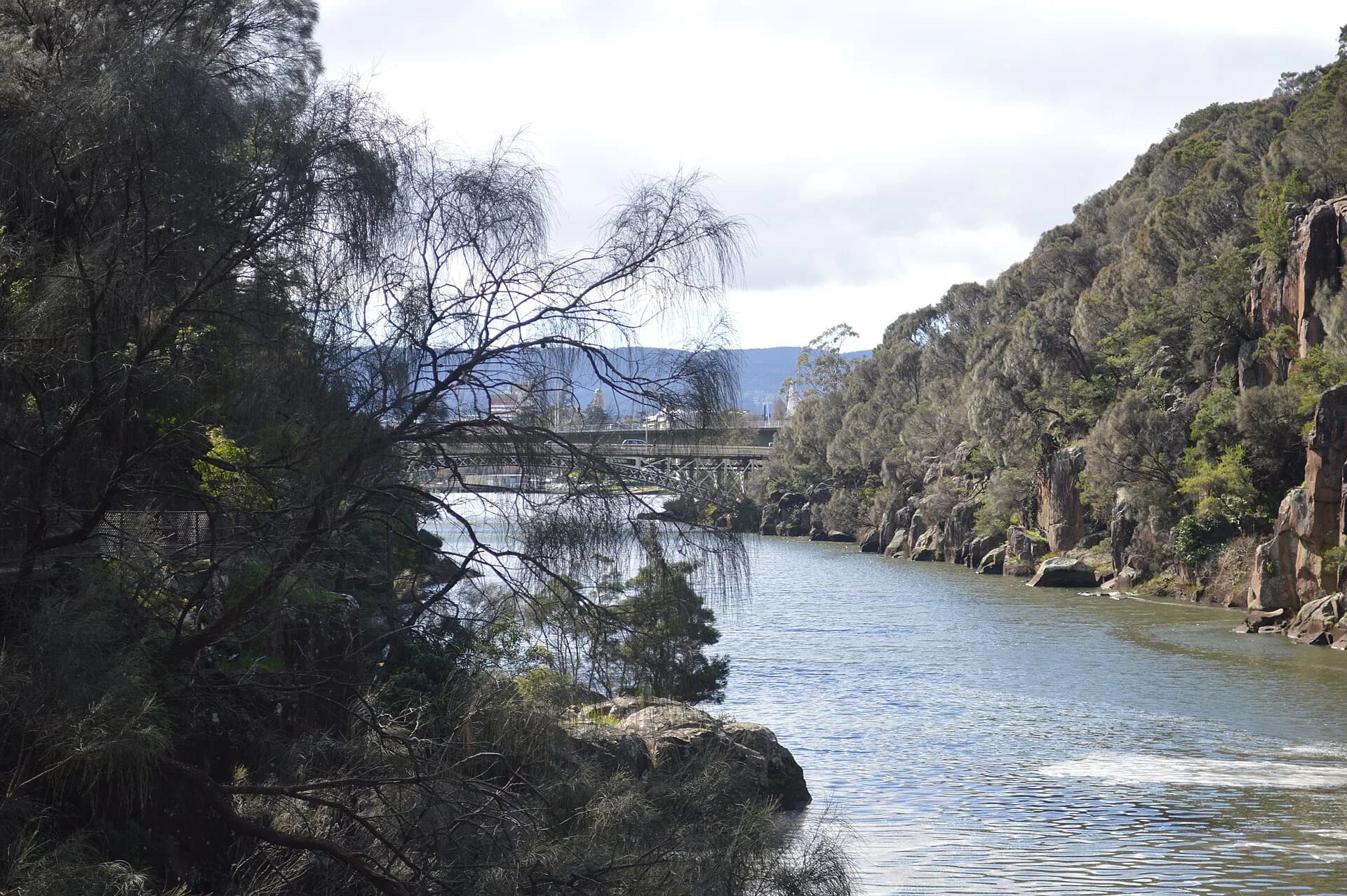
Kings Bridge, Cataract Gorge and former mill sites show why the South Esk and kanamaluka / River Tamar mattered to transport, power and industry. Flood risk and engineering repeatedly reshaped the river edge.

The story extends beyond the centre
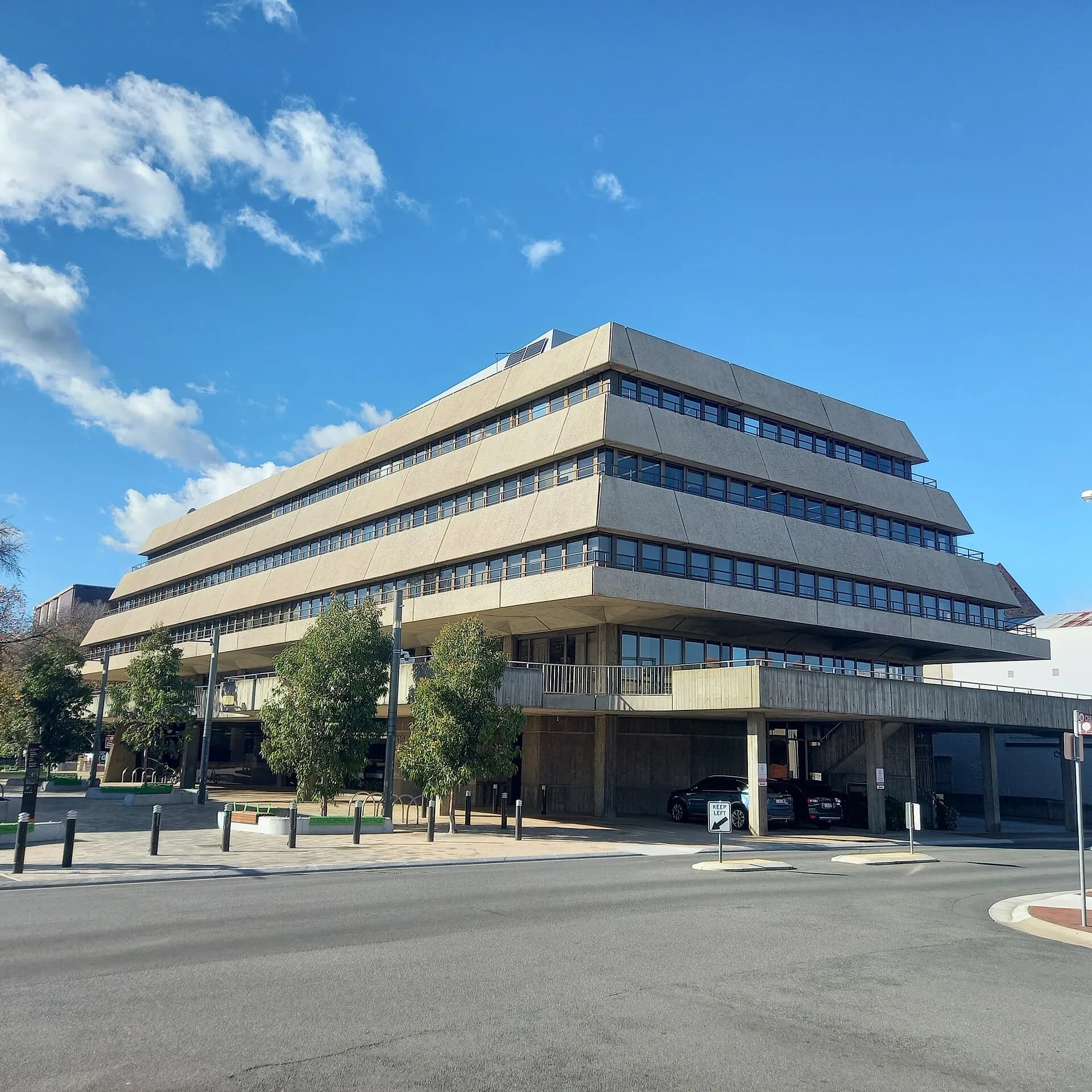
York Town records an early British settlement attempt near the Tamar, while barracks and defence sites reveal colonial administration. Use official heritage records and on-site interpretation because older guidebooks may misstate access or building dates.
.jpg)
Follow the Launceston heritage walk for a practical central route, then use the Launceston history for broader context.