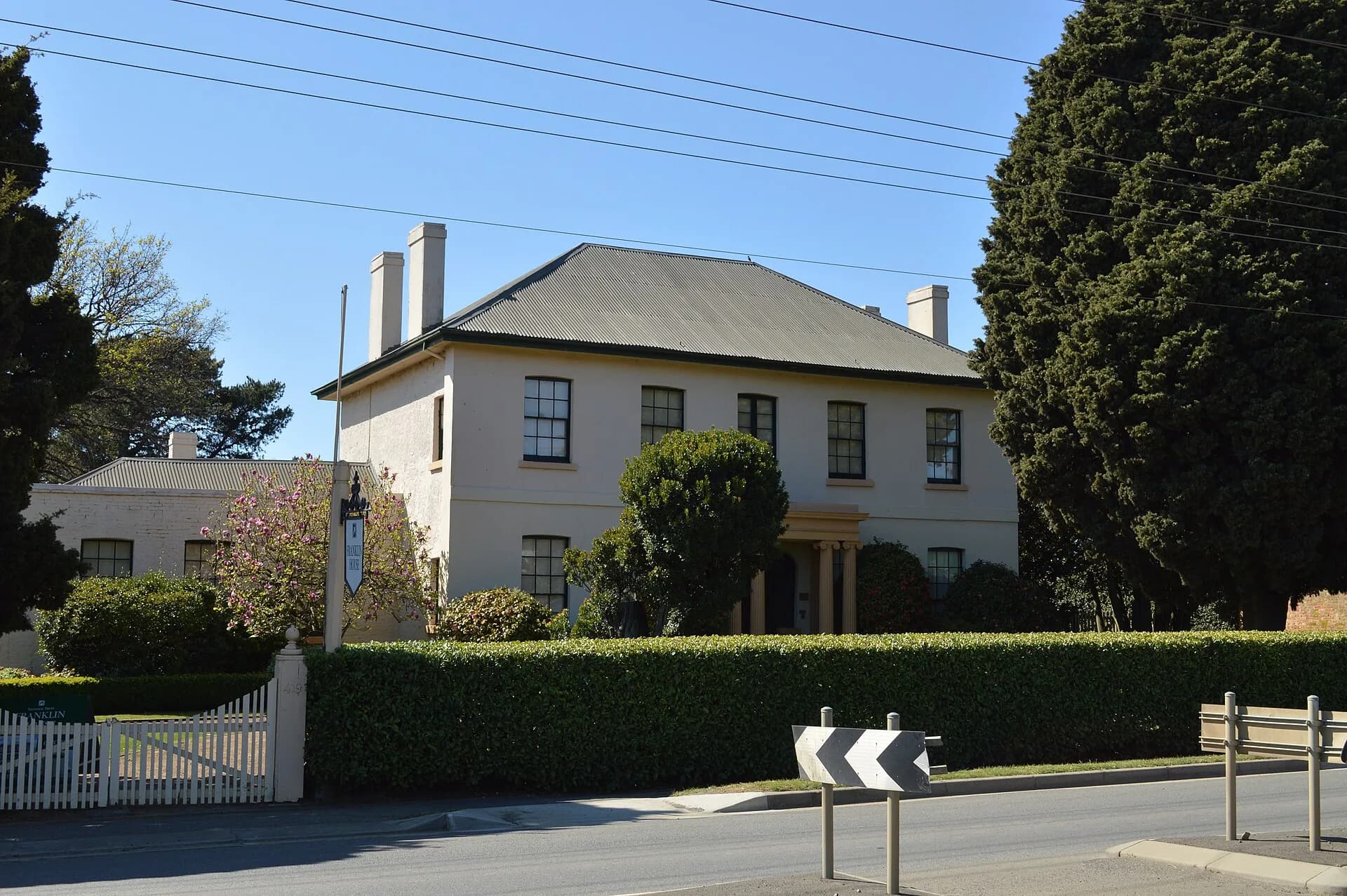

Launceston’s domestic architecture ranges from small workers’ cottages to Georgian villas and later town houses. The most useful way to explore it is to combine public streetscapes with house museums and official heritage records.
Start with public city streets
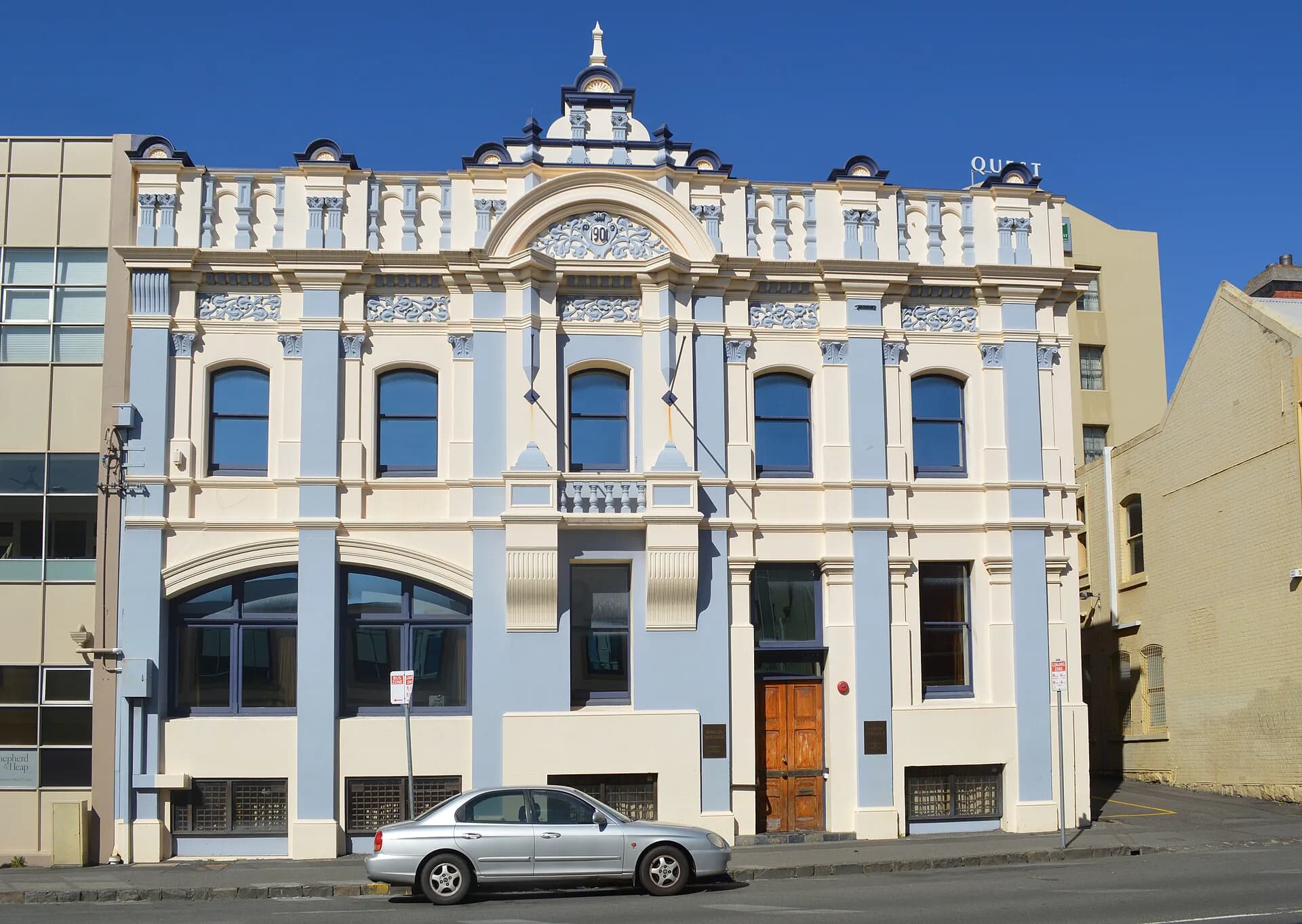
Central Launceston, East Launceston and Windmill Hill contain groups of nineteenth and early twentieth-century houses. Details such as verandahs, brickwork, gardens and setbacks reveal changing wealth, materials and urban growth.
These are living neighbourhoods. Stay on public footpaths, do not enter gardens and avoid photographing residents through windows.
.jpg)
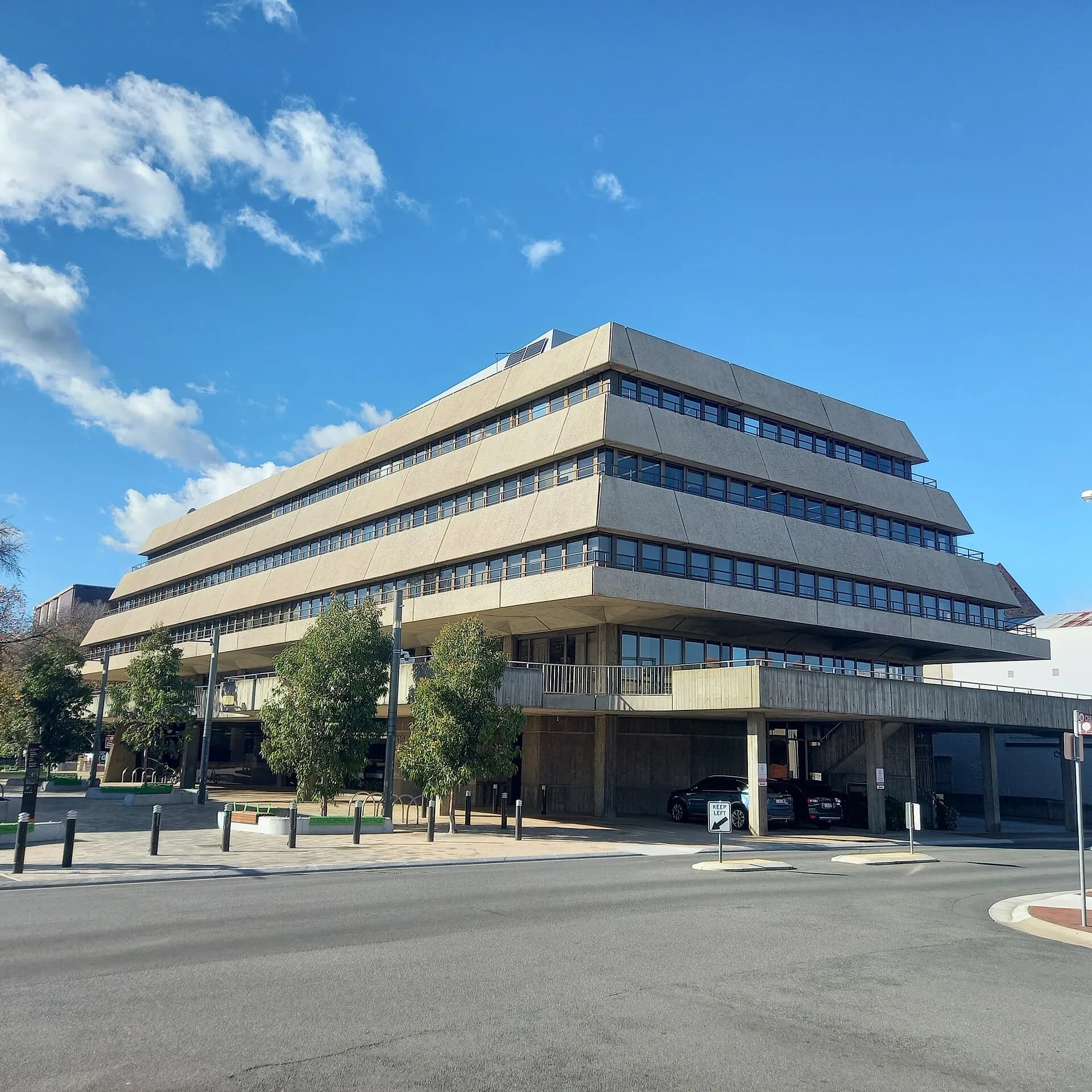
Henty House and changing use
Henty House is a distinctive modernist government building rather than an early colonial home. Including it broadens the story beyond Georgian nostalgia and shows how Launceston’s offices and domestic-scale streets changed in the twentieth century.

Franklin House
Franklin House at Youngtown is a National Trust property built in 1838 for brewer and businessman Britton Jones. It later served as a school. Opening days, tours and access arrangements vary, so check the National Trust before travelling.
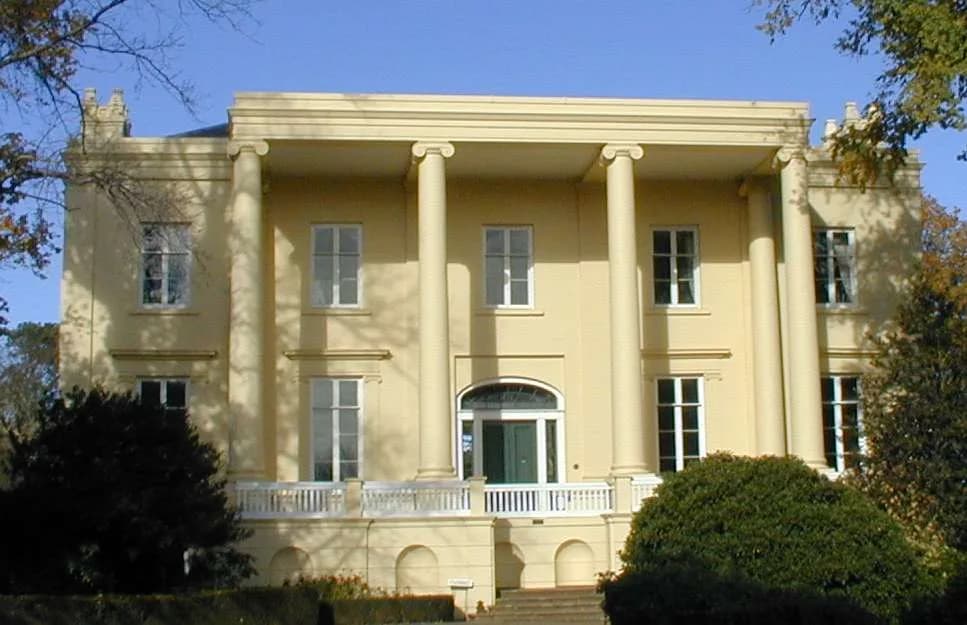

For a structured city route, use the Launceston heritage walk. For larger rural estates, Woolmers and Brickendon require separate visits and should be understood within both colonial wealth and convict labour.