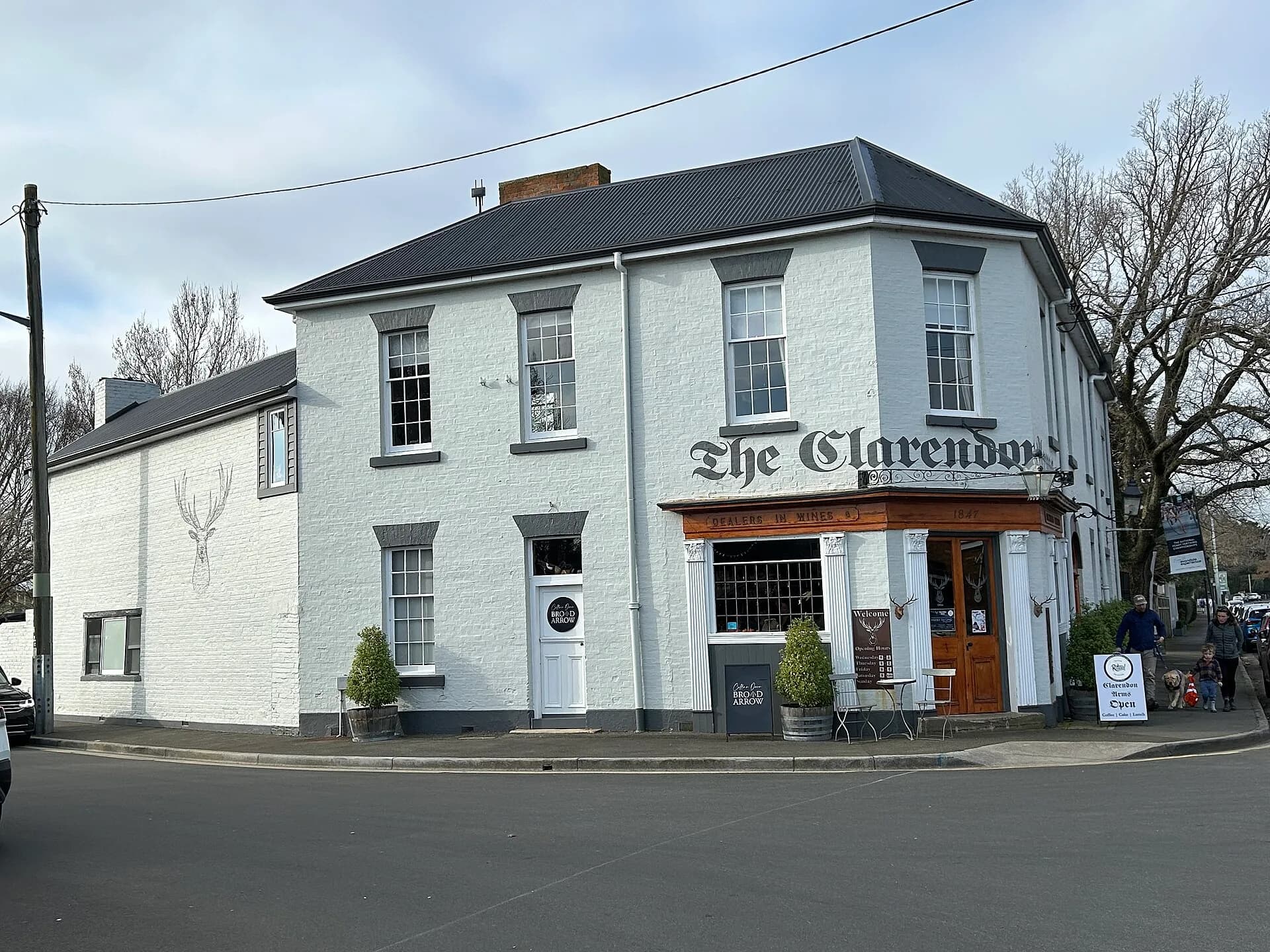

North-east Tasmania’s heritage is distributed across towns, farms, ports, mining districts and forest routes. A useful journey follows those relationships instead of collecting photographs of isolated façades.
Evandale and the Northern Midlands
Evandale’s historic precinct retains a connected street pattern with churches, houses, former inns, trees and rural views. Longford adds major estates and a different relationship between village and farm.
kanamaluka / River Tamar
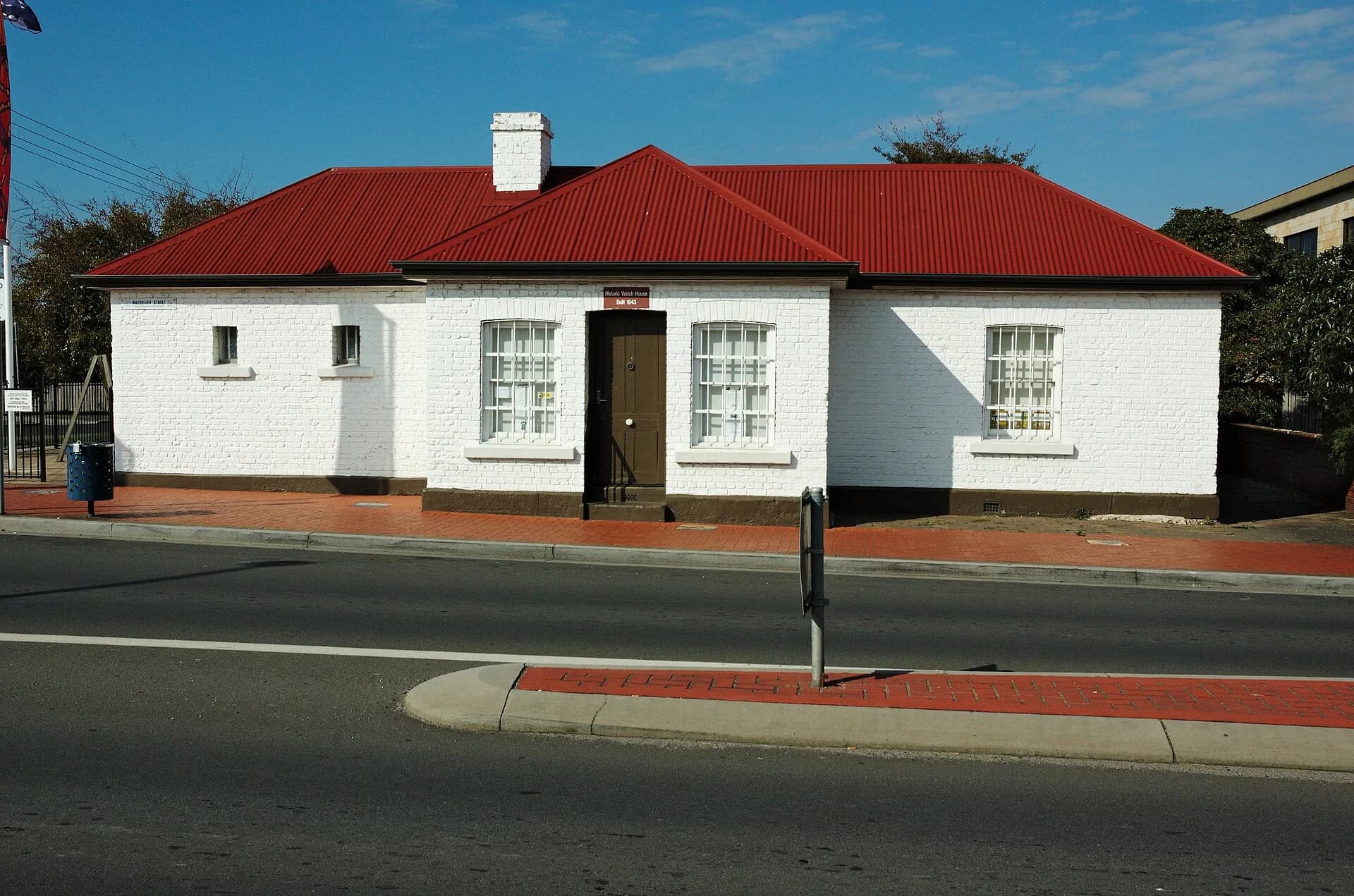
George Town’s Watch House, maritime buildings and nearby Low Head pilot station reflect navigation and government at the river mouth. Launceston’s warehouses, civic buildings and railway workshops belong to the commercial head of the estuary.

Scottsdale and the north-east interior
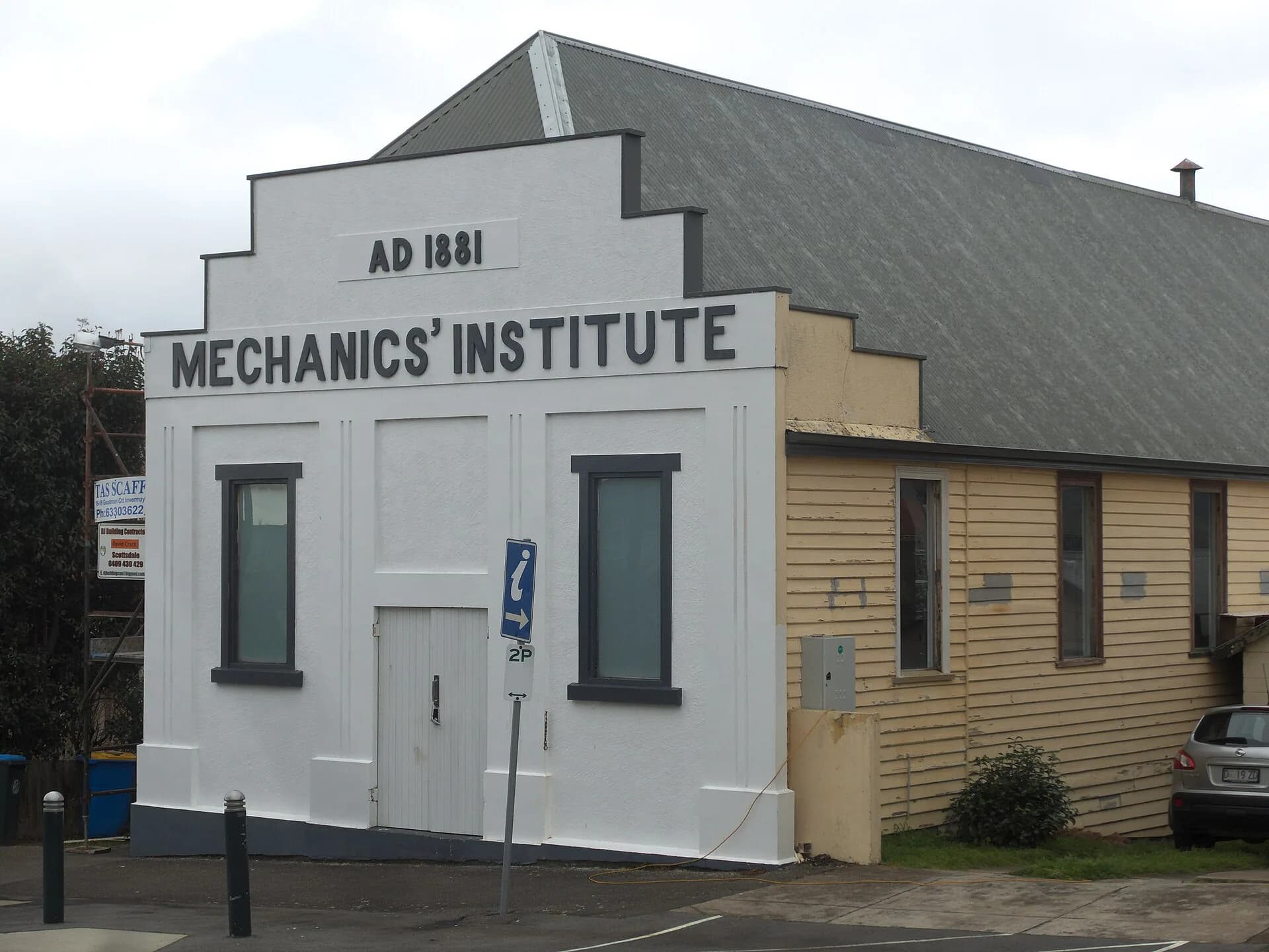
Scottsdale’s public buildings and surrounding rural infrastructure reflect service, agriculture and changing transport. Smaller places including Derby, Ringarooma and Weldborough add mining and road histories, but public access differs widely.

Research before entering
The Tasmanian Heritage Register records assessed significance but does not grant visitor access. Many listed buildings are homes or working properties. View them from public roads unless current information explicitly welcomes visitors.
Use council precinct studies, register entries, historical maps and dated photographs together. A building can contain later alterations while retaining heritage value. The Launceston heritage walk and north-east history provide detailed starting points.