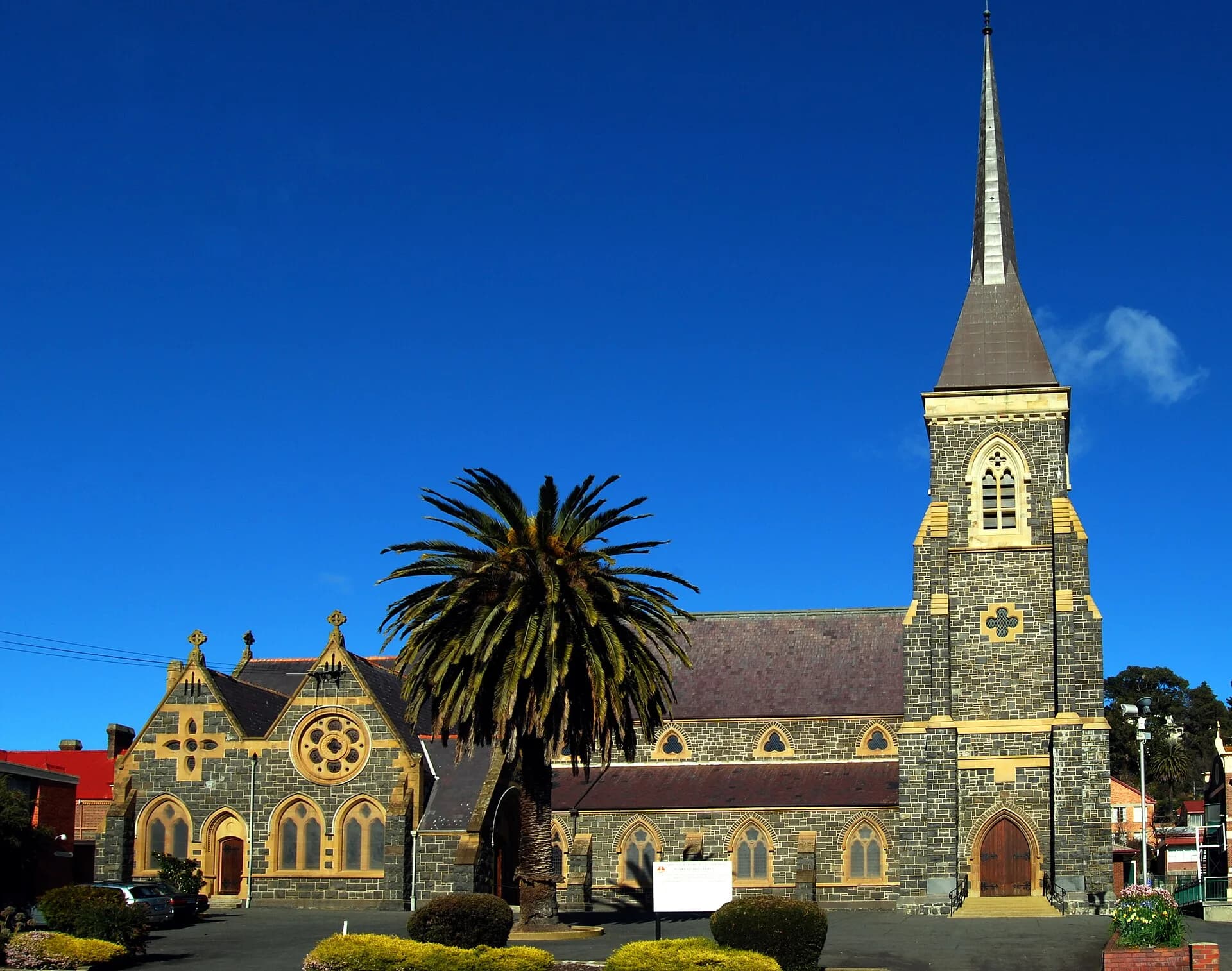

Church buildings are prominent records of Launceston’s growth, migration and civic life. They range from major city landmarks to small rural chapels, but an old building may still be an active place of worship rather than a visitor attraction.
Central Launceston landmarks
St John’s Anglican Church, Holy Trinity and the Church of the Apostles each developed through multiple building campaigns. Read additions, towers, glass and memorials as evidence of changing congregations and resources.
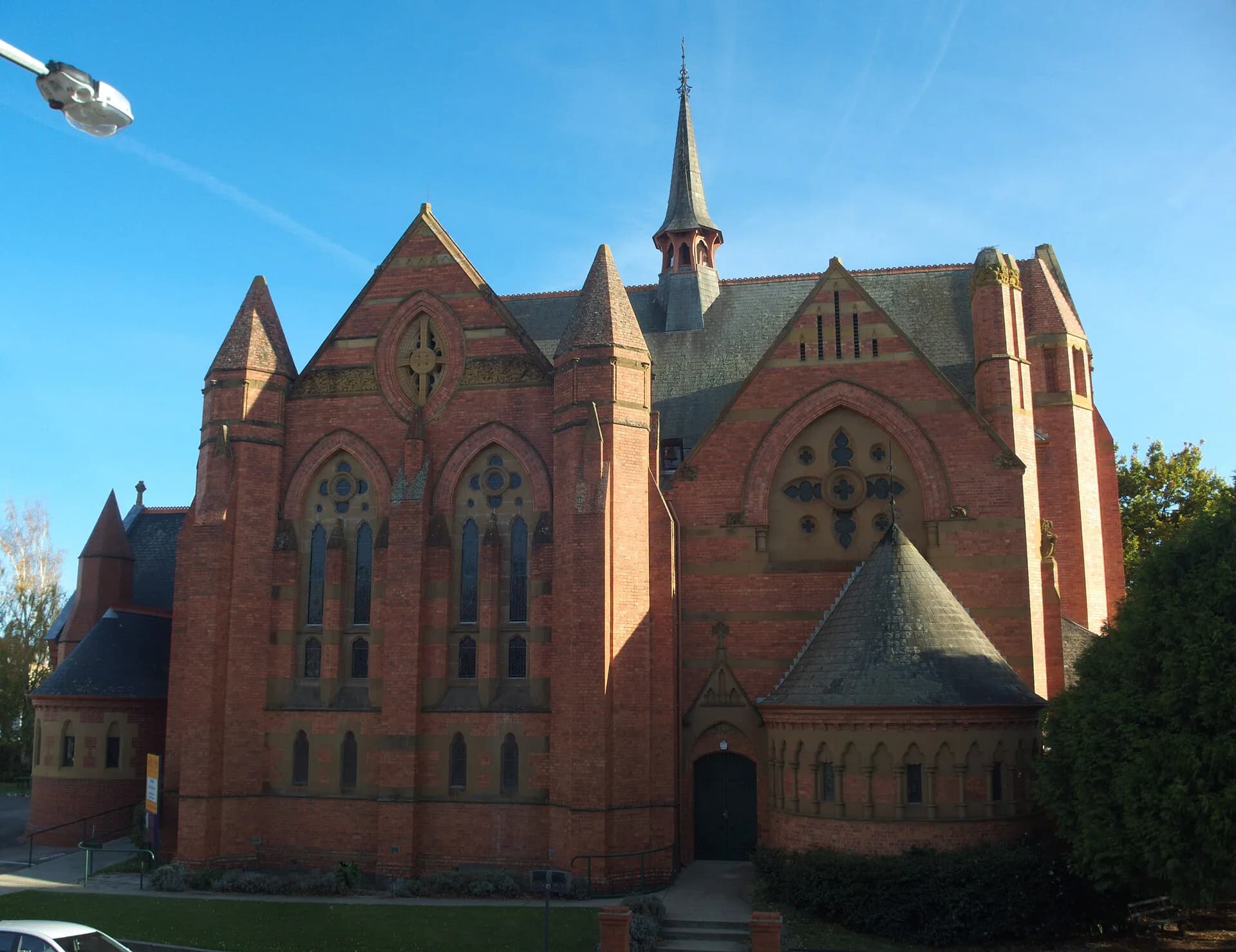

Look beyond the centre
Churches at Evandale, Longford, Hadspen, Nile and Westbury connect faith with settlement and rural community life. Some have small cemeteries or halls that remain in local use.
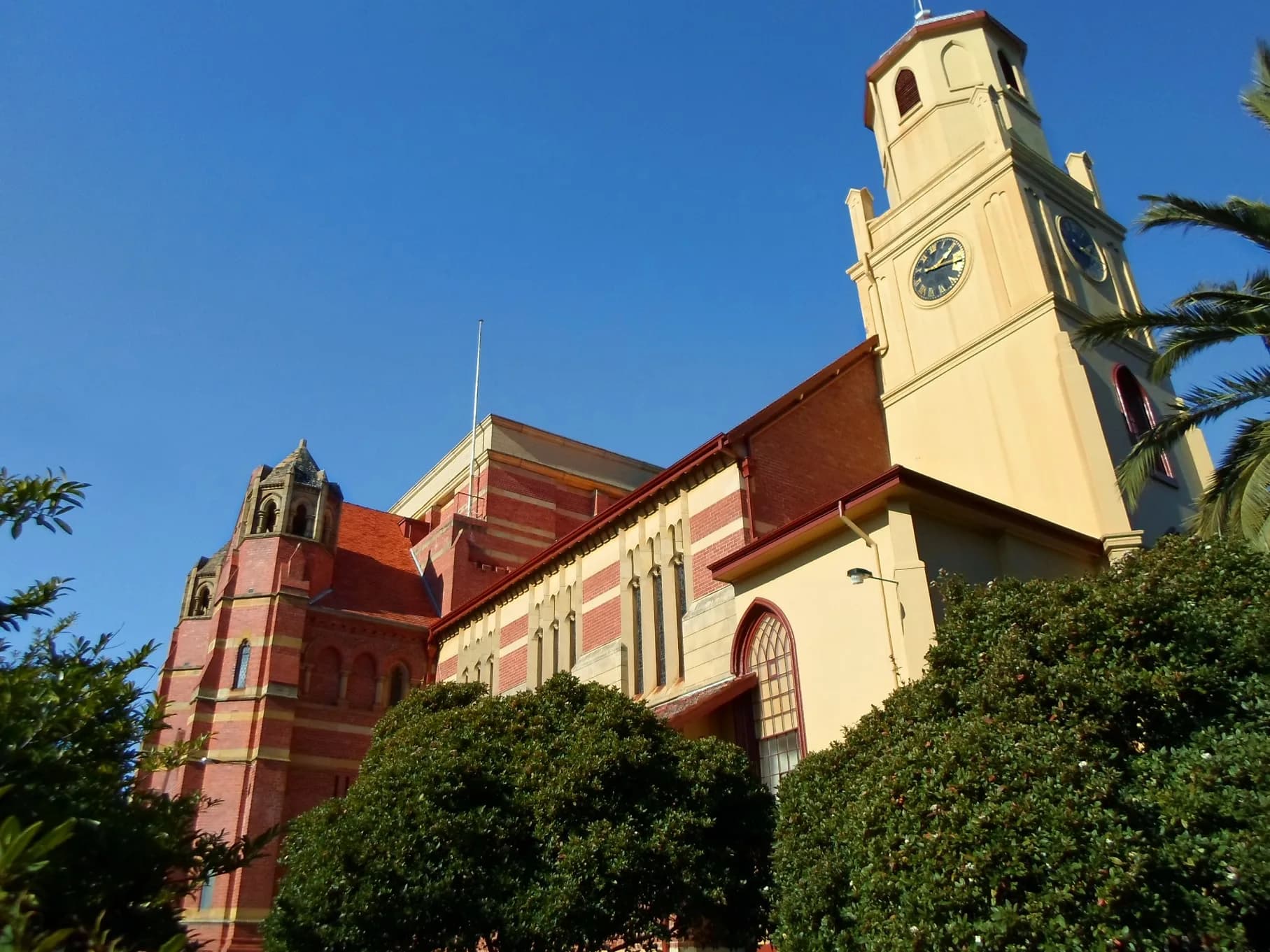

Enter respectfully
Opening hours are rarely guaranteed. Check the congregation or owner, avoid services and private ceremonies, and do not photograph people without consent. Heritage registration does not create a right of entry.
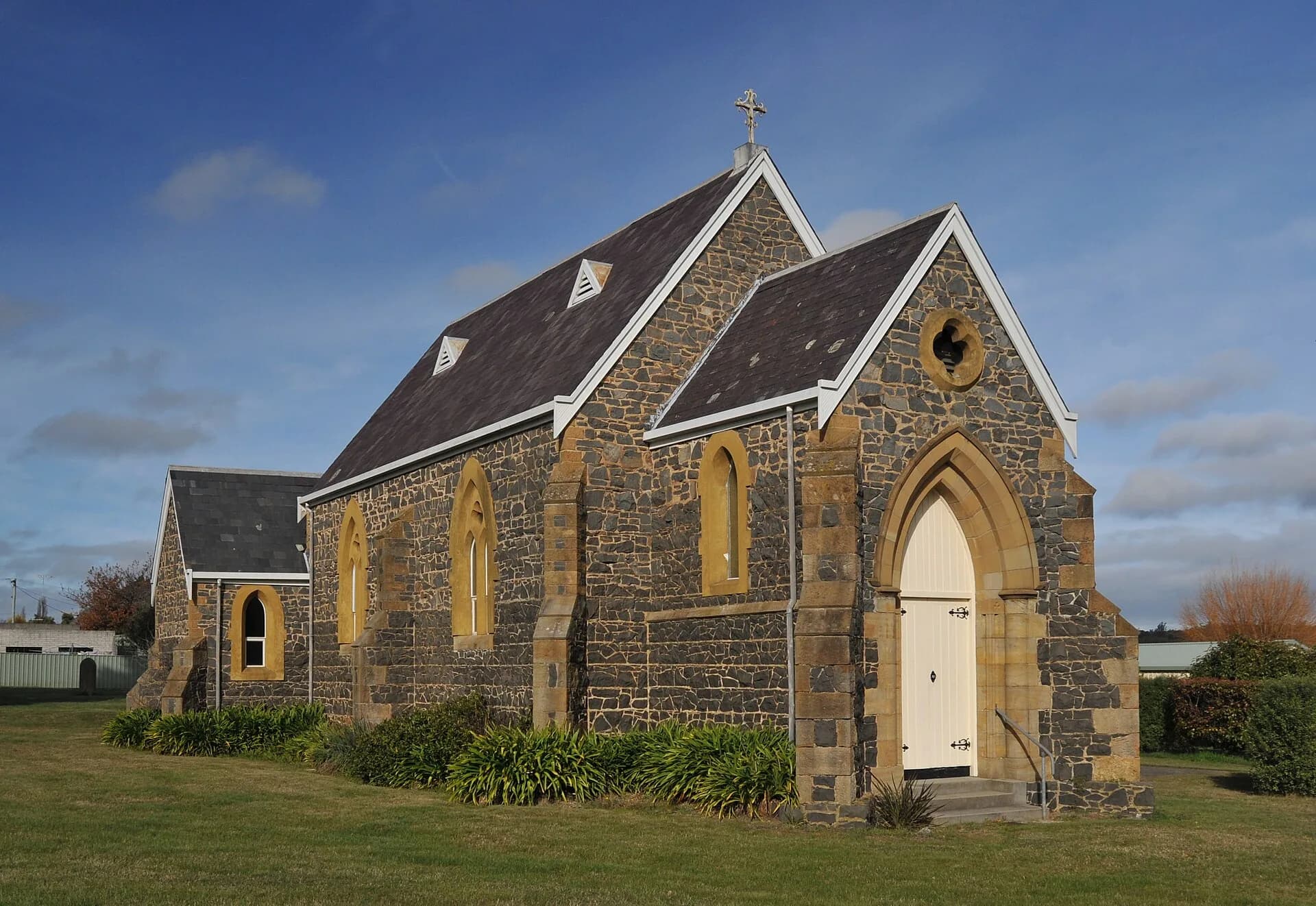

The Launceston heritage walk links several central buildings. Use the historic homes guide for a different view of nineteenth-century architecture.