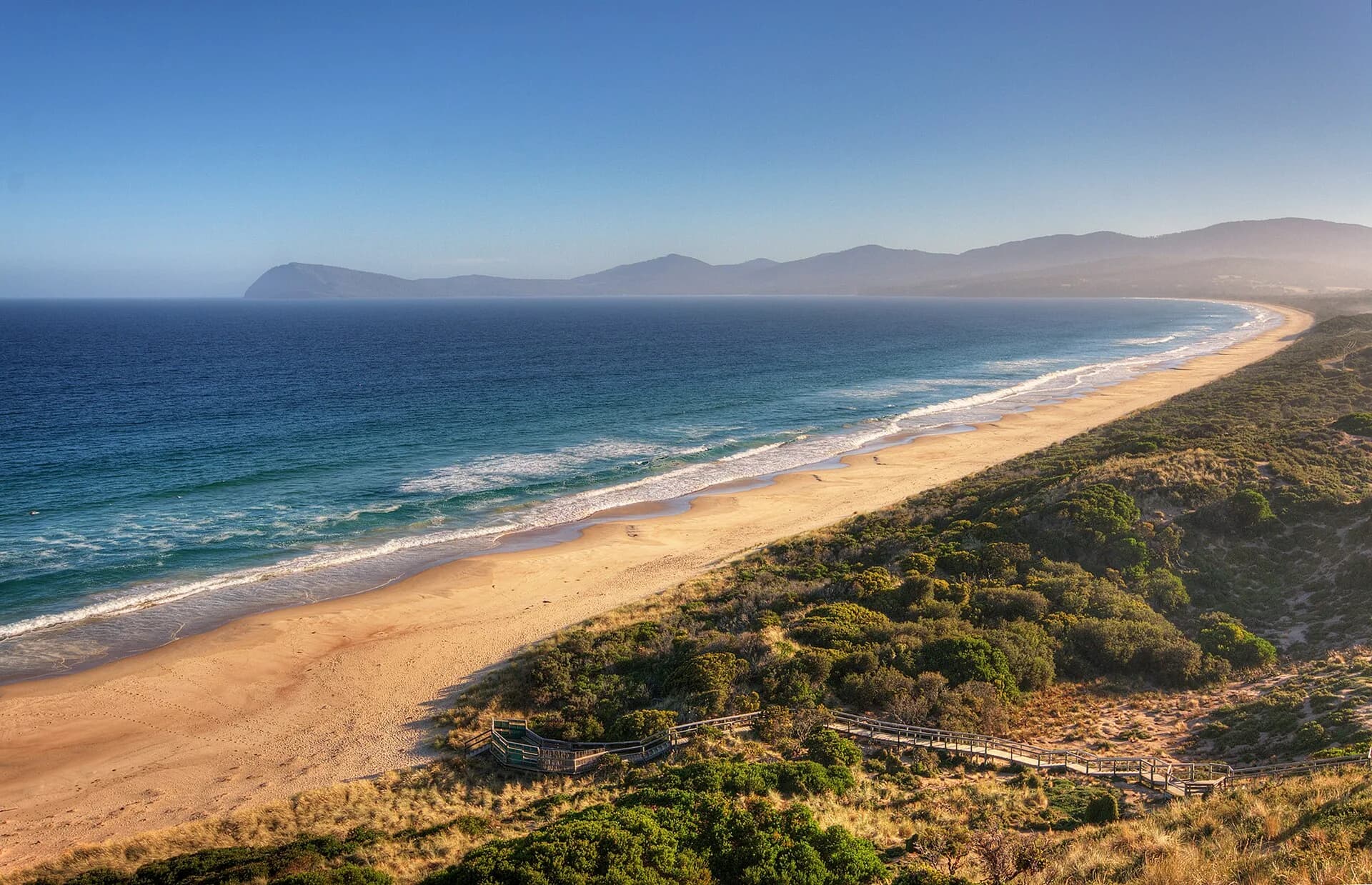

There is no single best month for every Tasmania trip. A Hobart food weekend, an alpine walk, a west-coast road trip and a quiet east-coast stay depend on different combinations of daylight, weather and demand.
Summer: long days, high demand
December to February brings the longest daylight and the busiest holiday period. Cold fronts, mountain snow and fire weather are still possible. Book major walks, ferries and popular accommodation early.
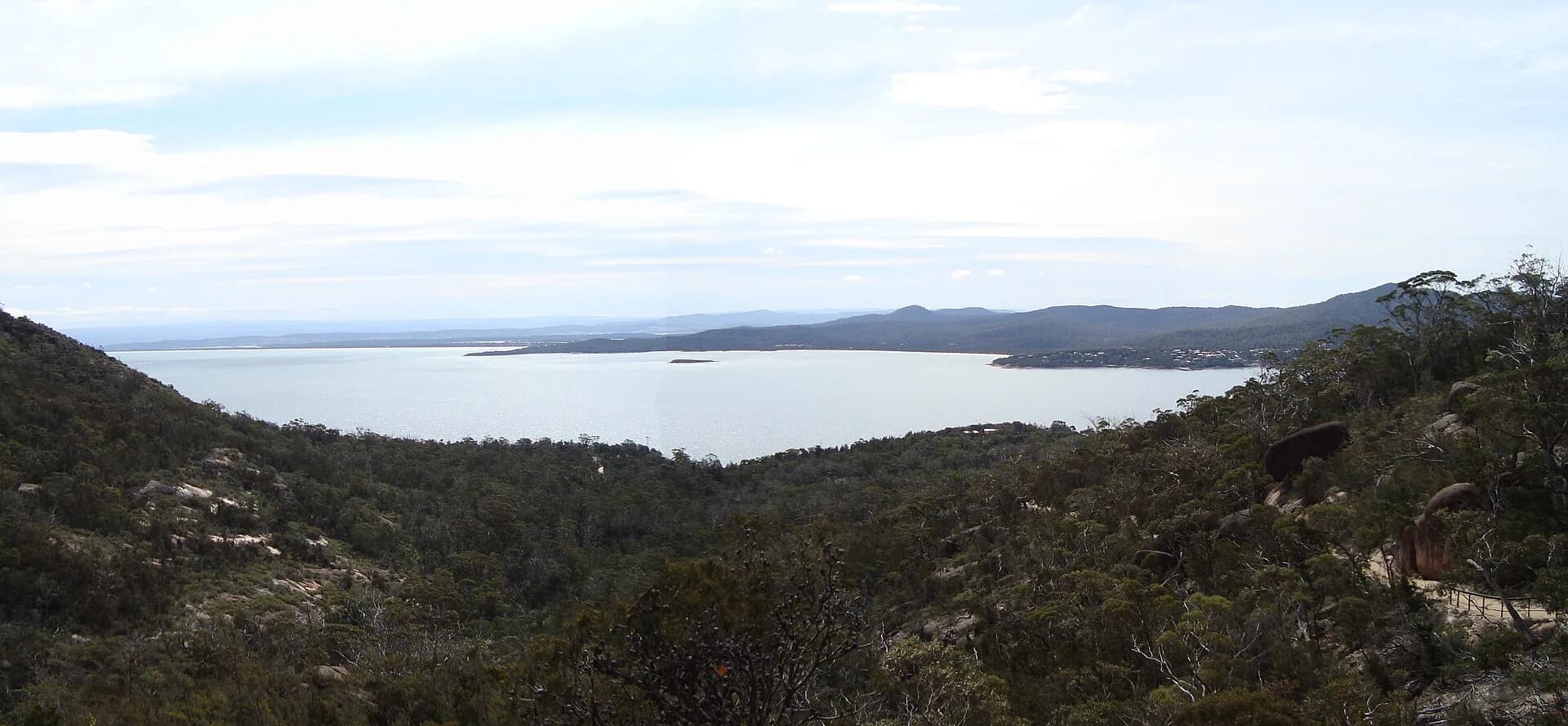

Autumn and spring: variable by design
March and April can suit walking and touring, while spring brings longer days and rapid weather shifts. Shoulder seasons reduce some crowds but do not guarantee lower prices or stable alpine conditions.
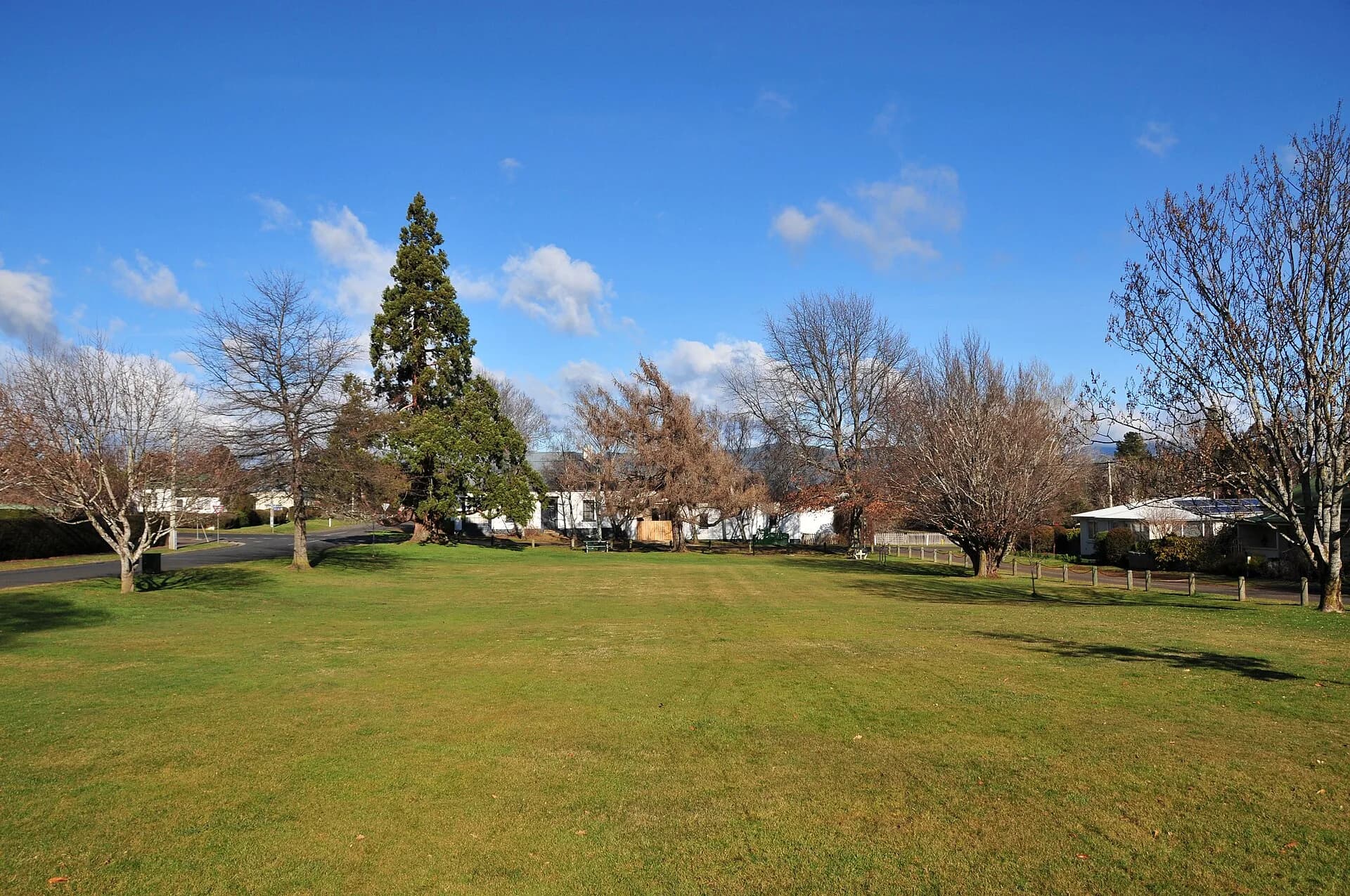

Winter: plan for short days
Winter suits museums, food, city stays and trips built around flexible weather windows. Snow and ice can close highland roads or make walks technical. Do not add a remote route merely because a forecast looks clear in town.
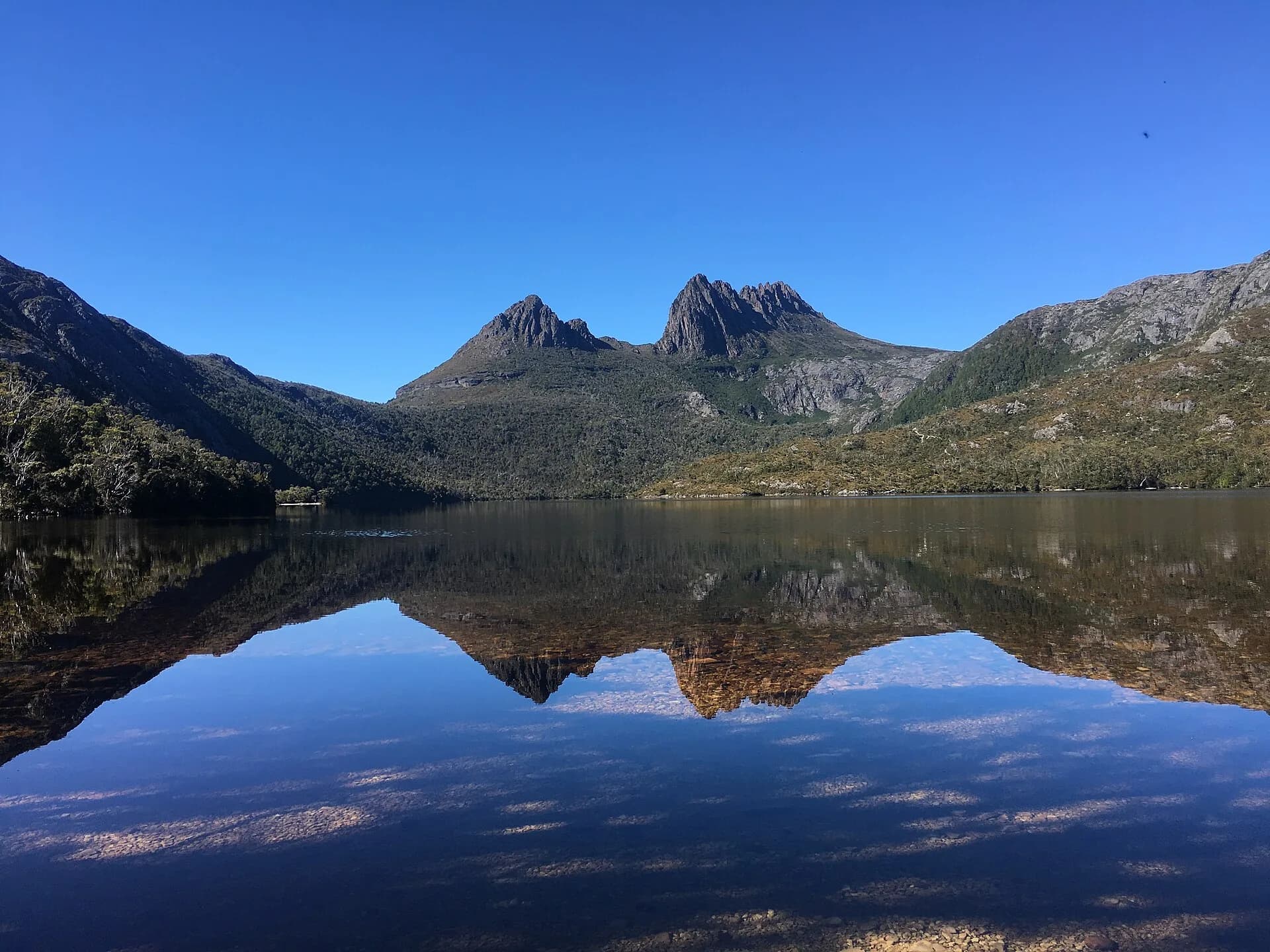

Check the Bureau of Meteorology forecast, TasALERT and Parks Tasmania alerts immediately before each journey.