

Beaconsfield is a West Tamar town whose streets and skyline remain tied to gold. The mine brought rapid growth, periods of closure and revival, and the disaster and rescue of 2006. Visiting today is less about finding a preserved gold-rush set than understanding how one industry repeatedly reshaped a living town.
From Brandy Creek to Beaconsfield
Gold discoveries around Brandy Creek in the 1870s drew miners, capital and services. The settlement was renamed Beaconsfield. Deep mining was difficult because water entered the workings, and engineering to pump and haul from below ground became central to the operation.
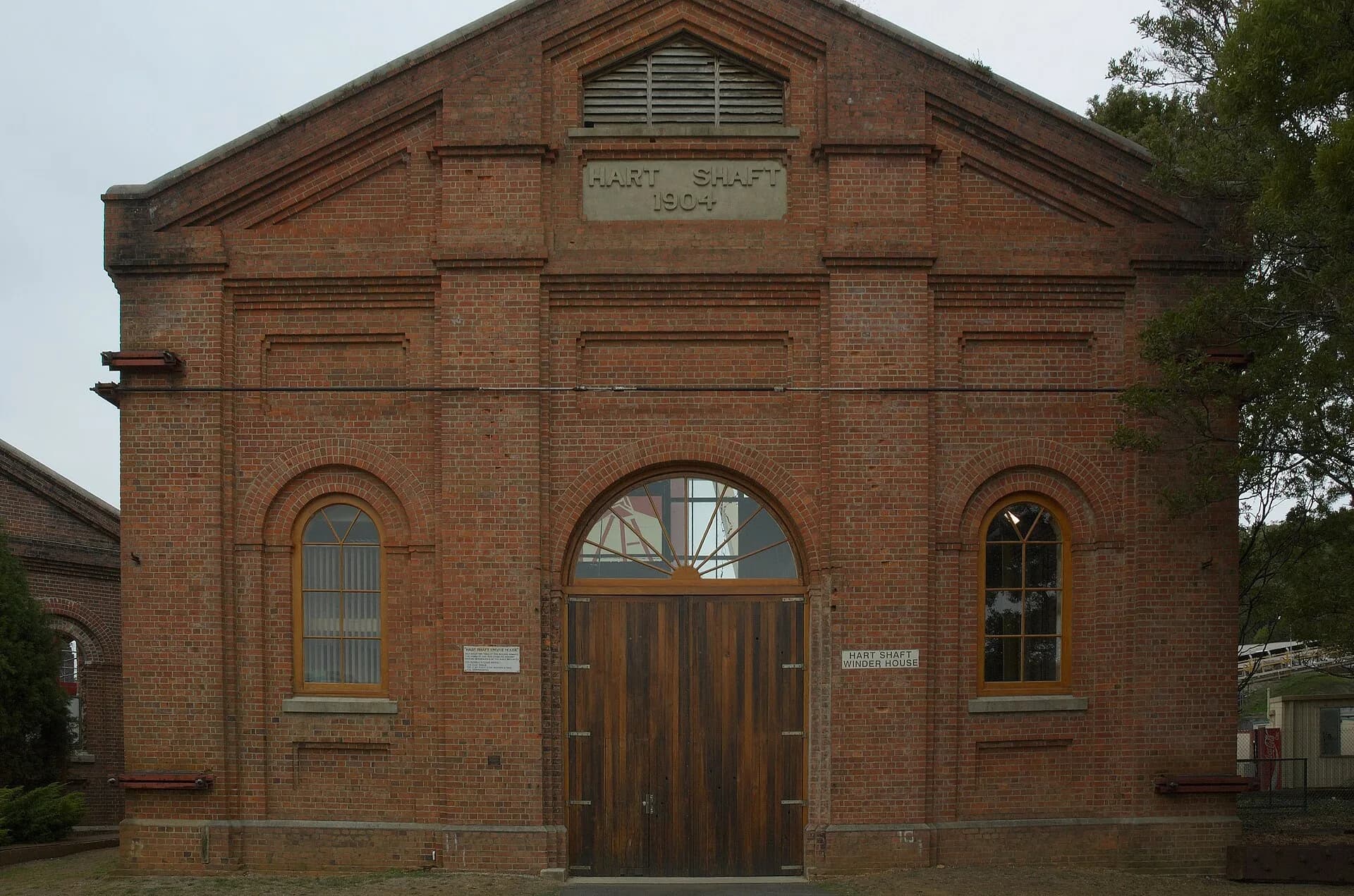
The Tasmania mine produced gold through changing companies and technologies before closing in 1914. Surface structures, machinery and archaeological remains preserve parts of that first major period.

Closure, reopening and 2006
Mining resumed late in the twentieth century. On 25 April 2006 a rockfall killed miner Larry Knight and trapped Todd Russell and Brant Webb underground. The rescue operation reached Russell and Webb after fourteen days. It became a major national media event, but in Beaconsfield it remains a workplace disaster involving a death, survivors, families and a close community.
The mine later closed again. Any account that focuses only on the rescue misses the longer history of labour, investment, engineering, uncertainty and environmental management.

Beaconsfield Mine and Heritage Centre
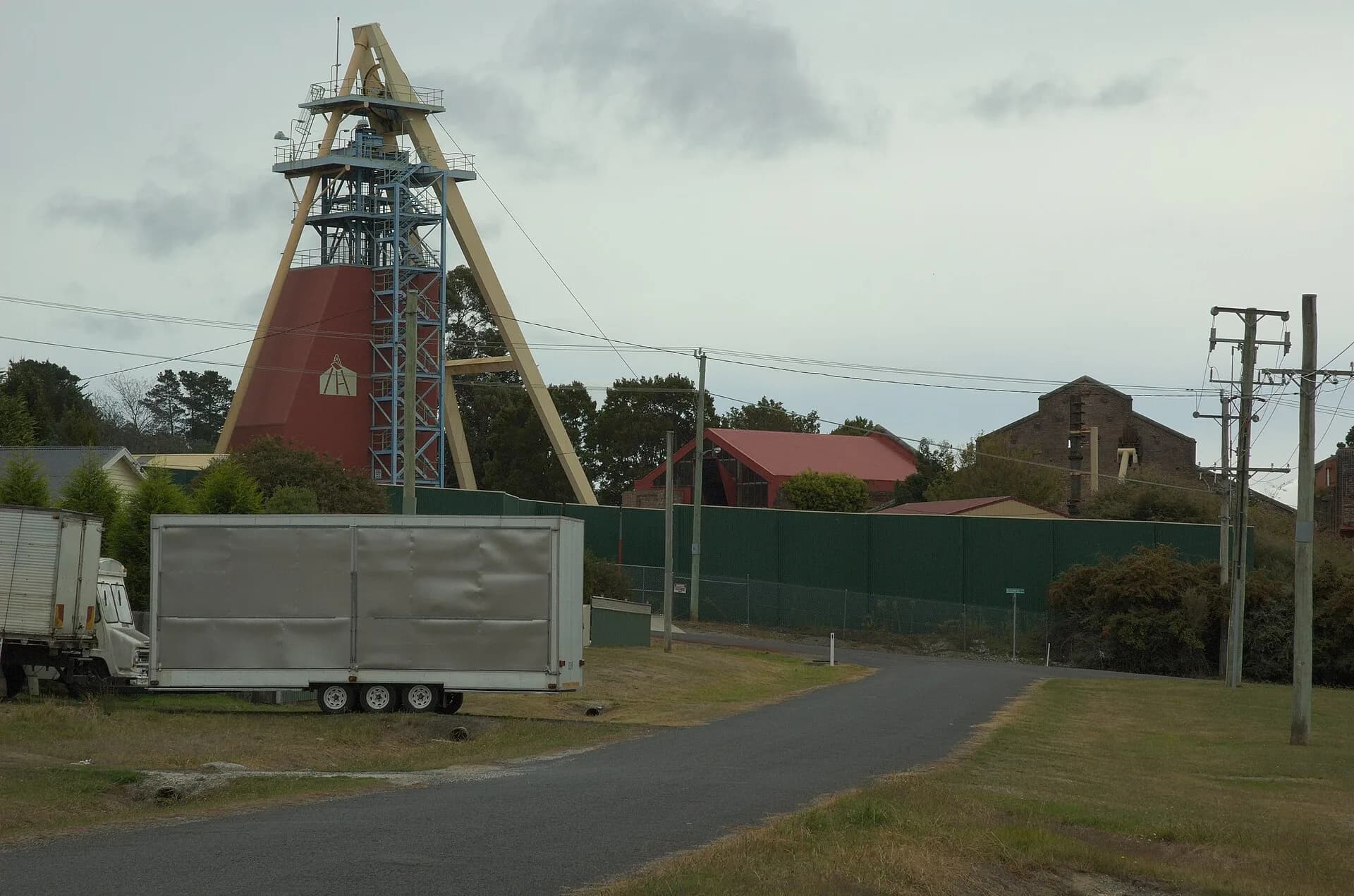
The heritage centre occupies the former mine precinct and holds more than 10,000 objects. Its exhibitions range beyond gold to domestic work, local technology and the 2006 rescue. The centre recommends allowing roughly 1 to 1.5 hours, though readers with a strong interest in industrial history may need longer.
Large machinery and the surviving mine structures make the site easier to understand than a text-only account. Look for how pumping, winding and power systems connected the surface to deep workings.
A West Tamar stop
Beaconsfield works well with Beauty Point and the lower Tamar. The town has everyday services, while the museum is the main interpretive destination. Check current opening times directly before travelling because museum hours and access can change.
The history of Launceston explains the commercial centre at the head of the estuary. Together, the two places show how Tamar Valley agriculture, shipping, mining and industry were connected rather than separate regional stories.