.png)
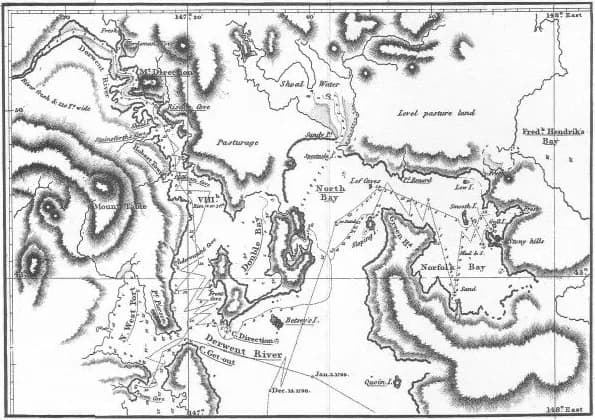
Broadmarsh Probation Station formed part of the probation system used to manage transported convicts in Van Diemen’s Land during the 1840s. Much of the place is now archaeological rather than a complete standing complex.
Work, surveillance and punishment
Probation stations combined labour, religious instruction, classification and discipline. Broadmarsh was connected with road and agricultural work in the Jordan Valley. Official records should be used cautiously: they describe an administrative system and seldom capture the full experience of the people confined within it.

What survives
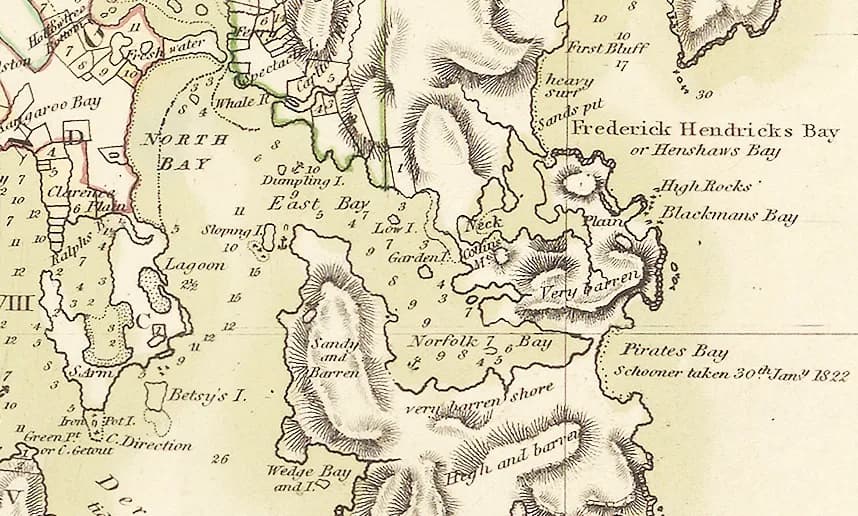
Heritage significance can lie below ground in foundations, deposits and the relationship between buildings, fields and transport routes. Removing an object or disturbing soil destroys context that archaeology depends on.

Access is not implied by a historic listing
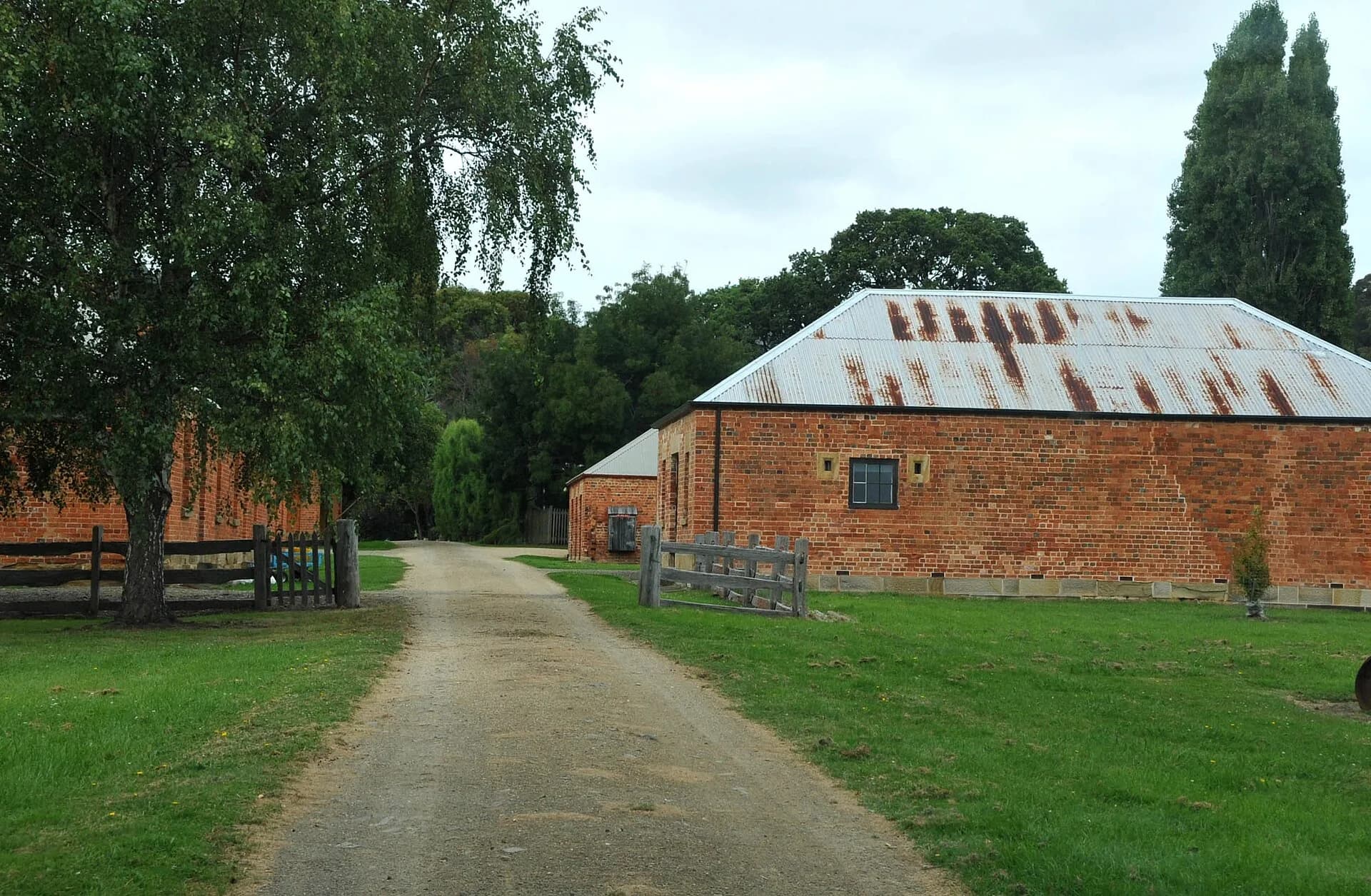
The station site is not presented as a staffed public attraction. Land ownership, farm operations and heritage protections apply. View the broader landscape from public roads, obey signs and seek permission before entering any private property.

For an accessible introduction to the wider system, use the Tasmanian convict sites guide and visit managed places such as Port Arthur.