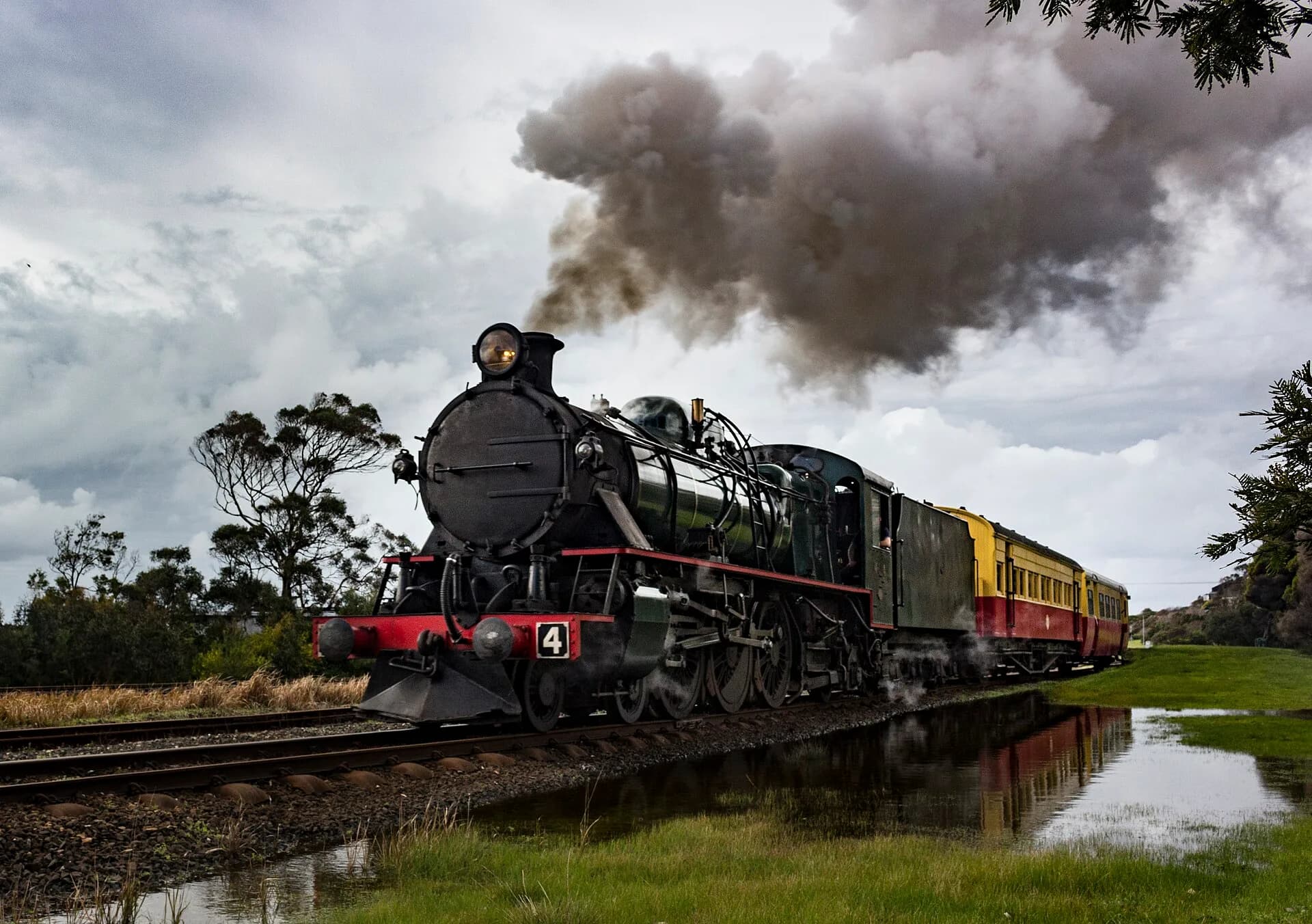

Tasmania’s heritage railway sector includes operating trains, static museums, workshops and preserved corridors. Volunteer capacity, accreditation and infrastructure work mean services do not run every day.
Working heritage lines
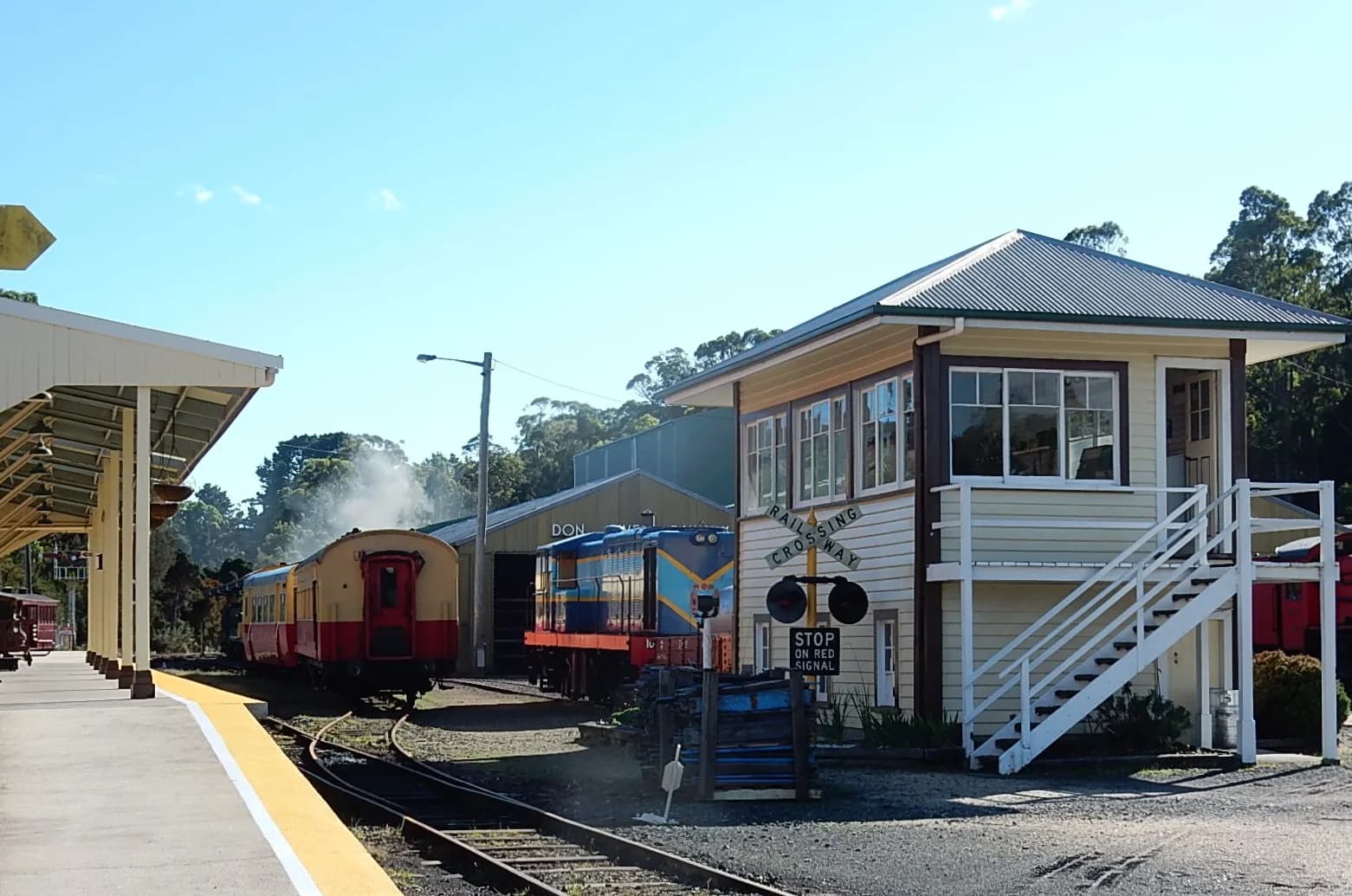
The West Coast Wilderness Railway interprets an engineering route built for mining transport. Don River Railway preserves main-line locomotives, railcars and workshops in a different north-west setting. Confirm timetables and booking conditions directly.
.jpg)
Museums preserve more than locomotives
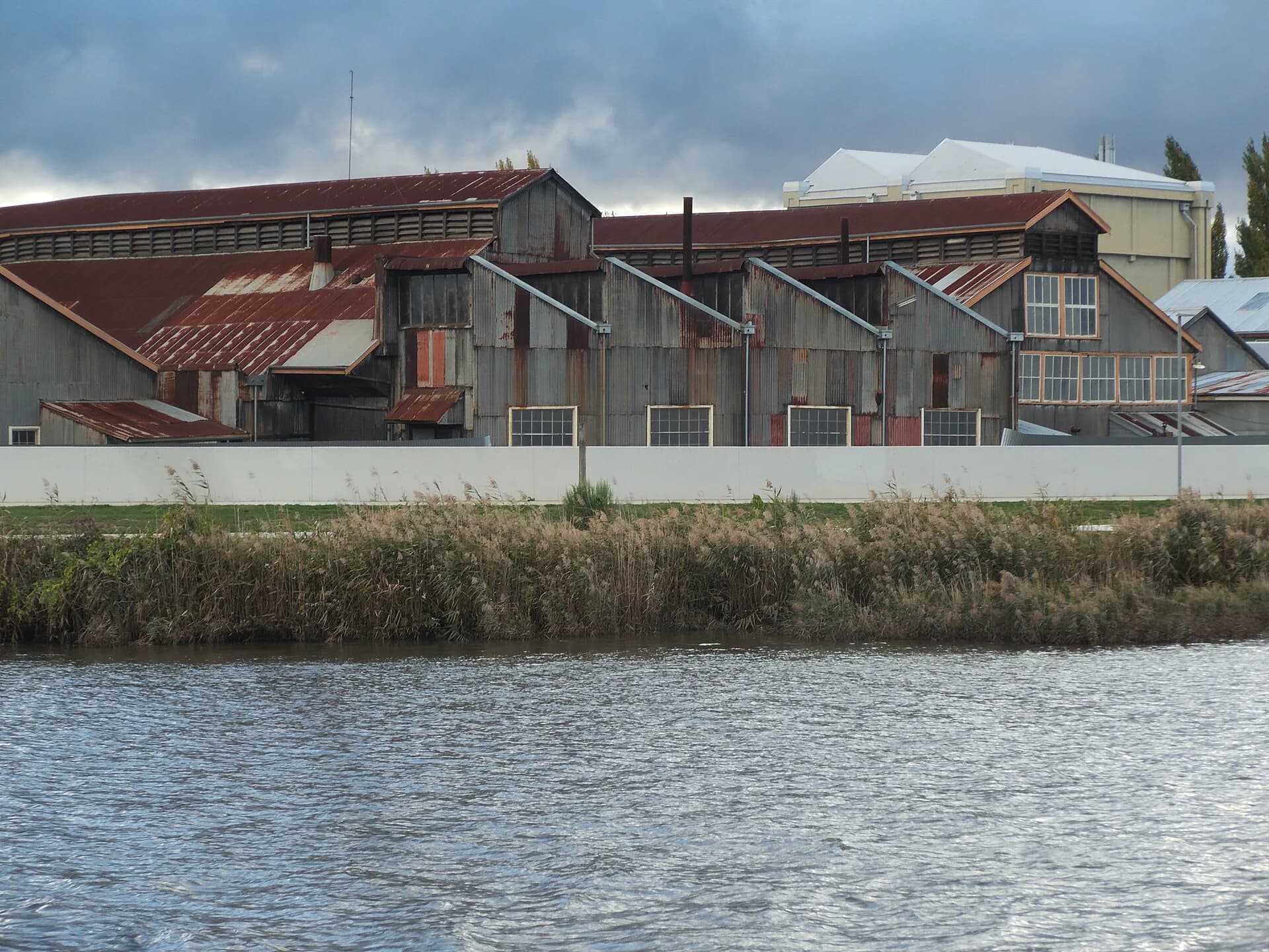
The Tasmanian Transport Museum at Glenorchy holds rail, tram, bus and road collections. Inveresk’s former railway workshops demonstrate the scale of maintenance and employment behind train operations.

Closed track is not a heritage trail
Abandoned lines may remain railway land, cross private property or contain unsafe bridges and tunnels. Use accredited operators, museums and formally opened trails. Never enter an active corridor for a photograph.
.png)
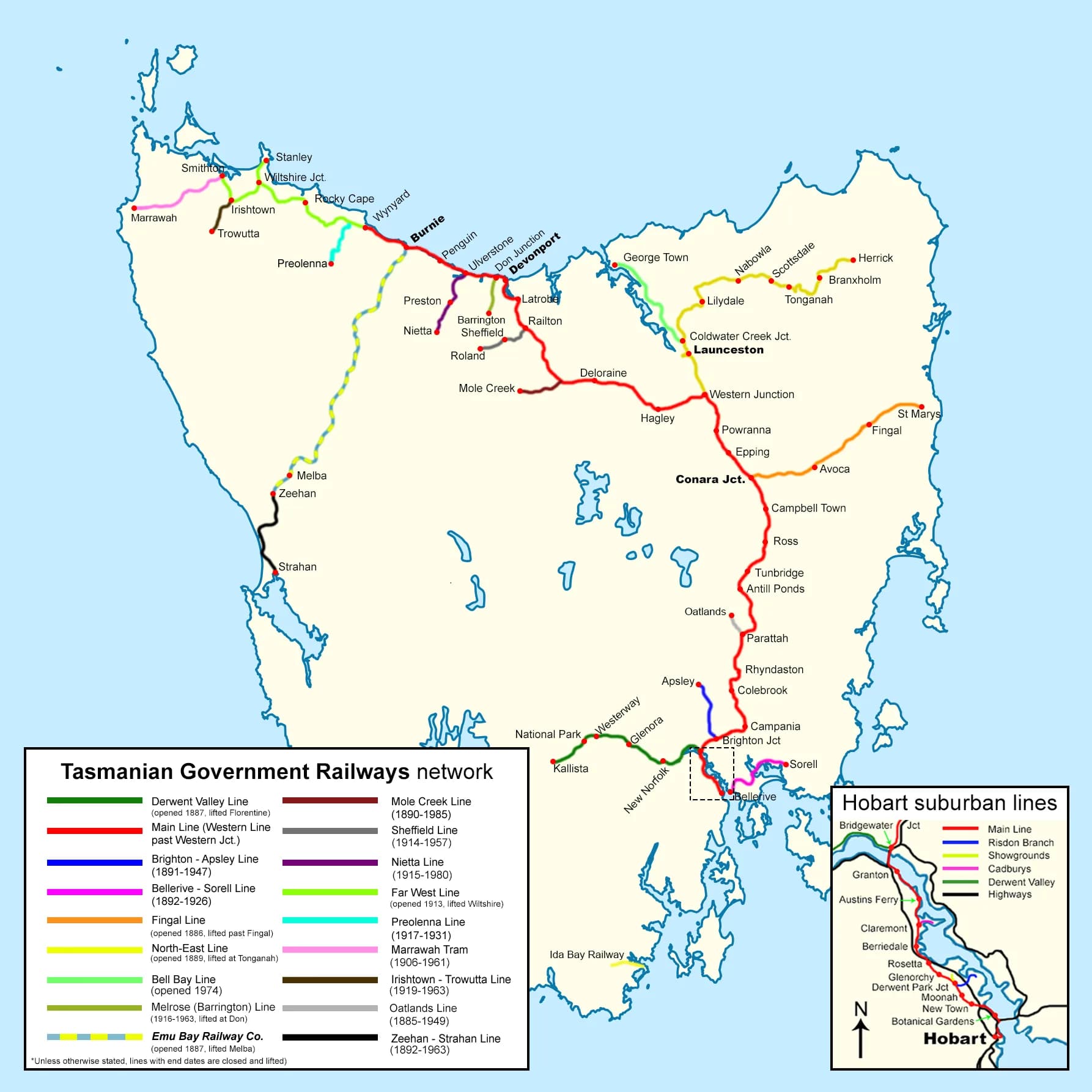
The lost railways guide explains the wider network. The Burnie railway history follows the mineral and port connection.