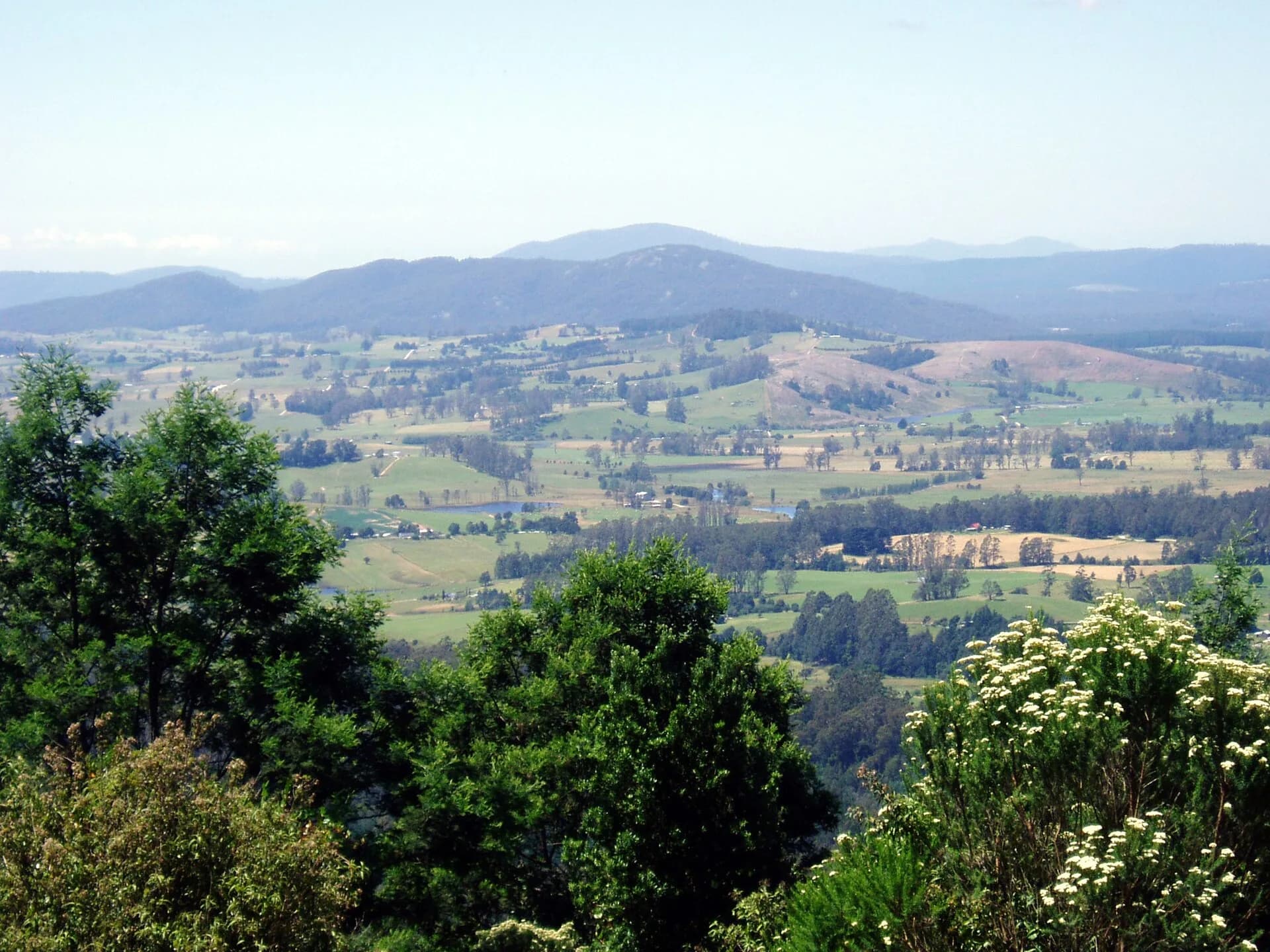

Cycling in Tasmania ranges from short city paths to technical mountain-bike networks and multi-day road touring. The equipment, navigation and support needed for each are different, and a route that works on a map may be unsuitable on a busy or narrow road.
City and shared paths
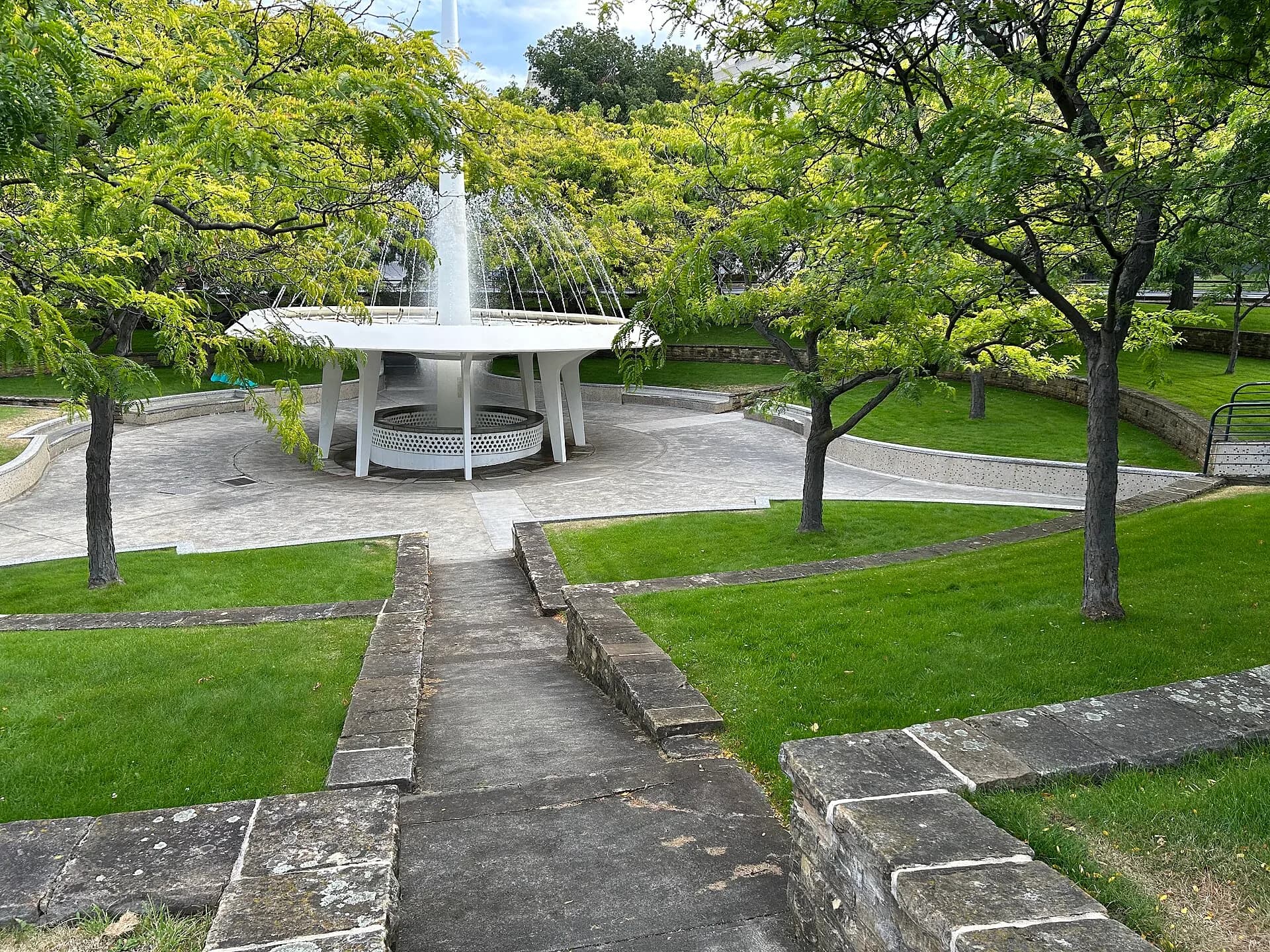
Hobart, Launceston, Burnie and Devonport have shared paths and on-road links, but networks are not continuous. Keep left on shared paths, slow around pedestrians and approach driveways and road crossings cautiously.

Mountain-bike destinations
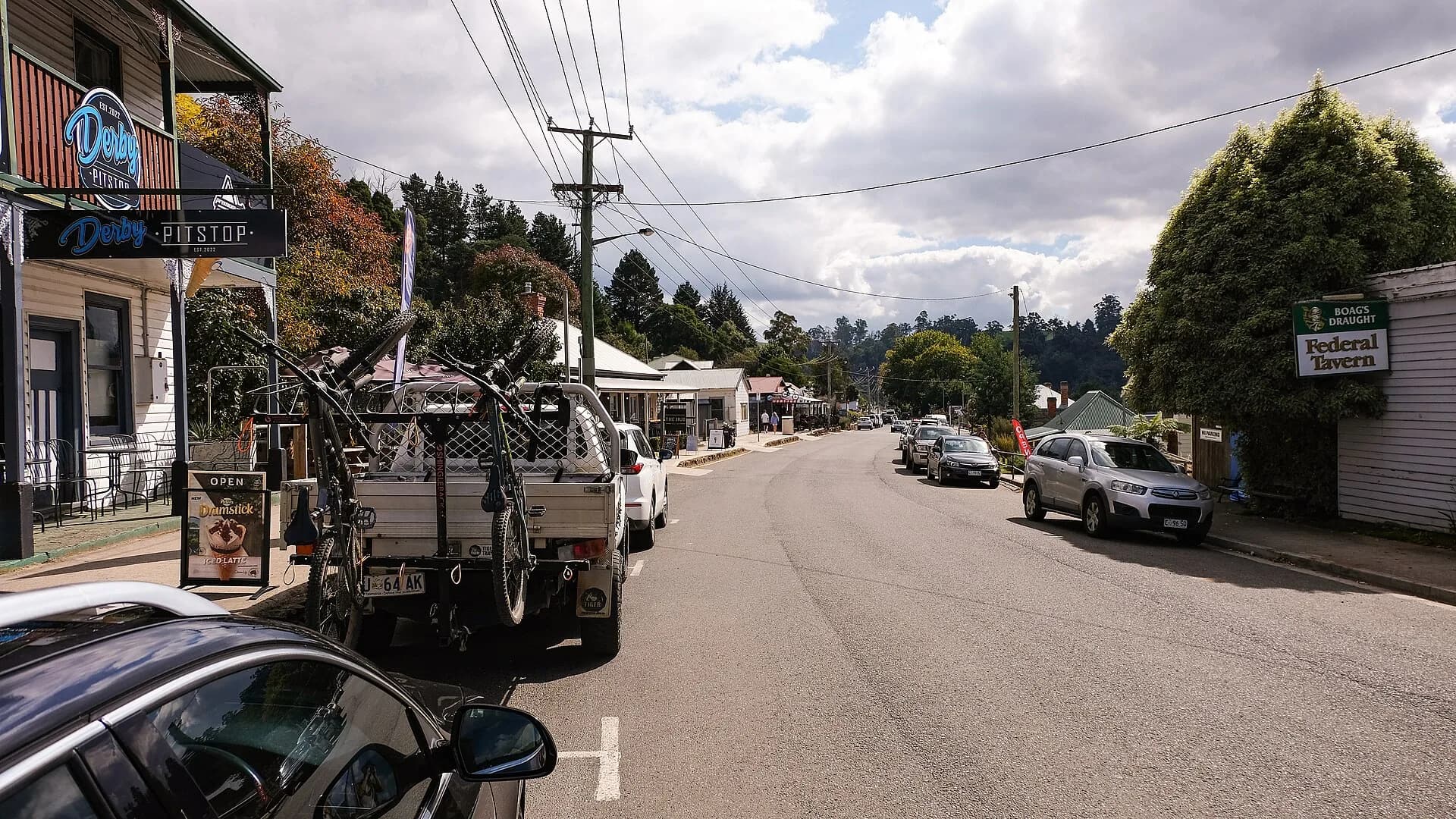
Derby and other purpose-built networks publish their own trail status, grading, shuttle arrangements and closures. Match the trail grade to the least experienced rider, wear suitable protection and do not ride closed trails after rain or maintenance.

Road touring
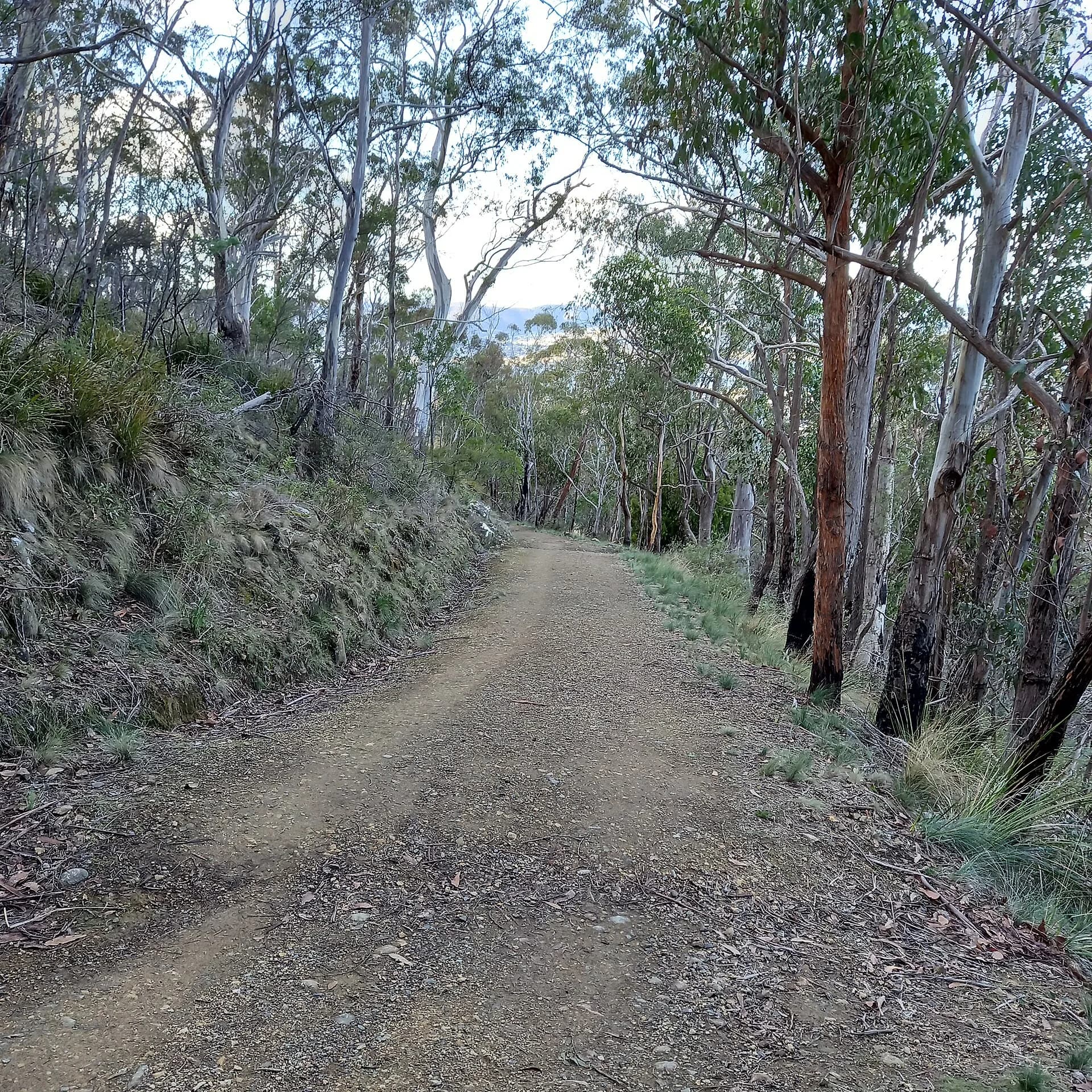
Tasmanian highways can have high speeds, narrow shoulders and heavy vehicles. Build the route around traffic volume and resupply points, not scenery alone. High country and west-coast roads add cold, wind, rain and long distances between services.

Tasmanian road rules apply to bicycles. Legal e-bikes must meet the current power and assistance limits, and airline or ferry operators set their own battery and bike-carriage rules.
Carry lights, repair equipment, water, warm layers and offline navigation. Tell someone the route and avoid dawn, dusk and night riding where wildlife exposure is high.