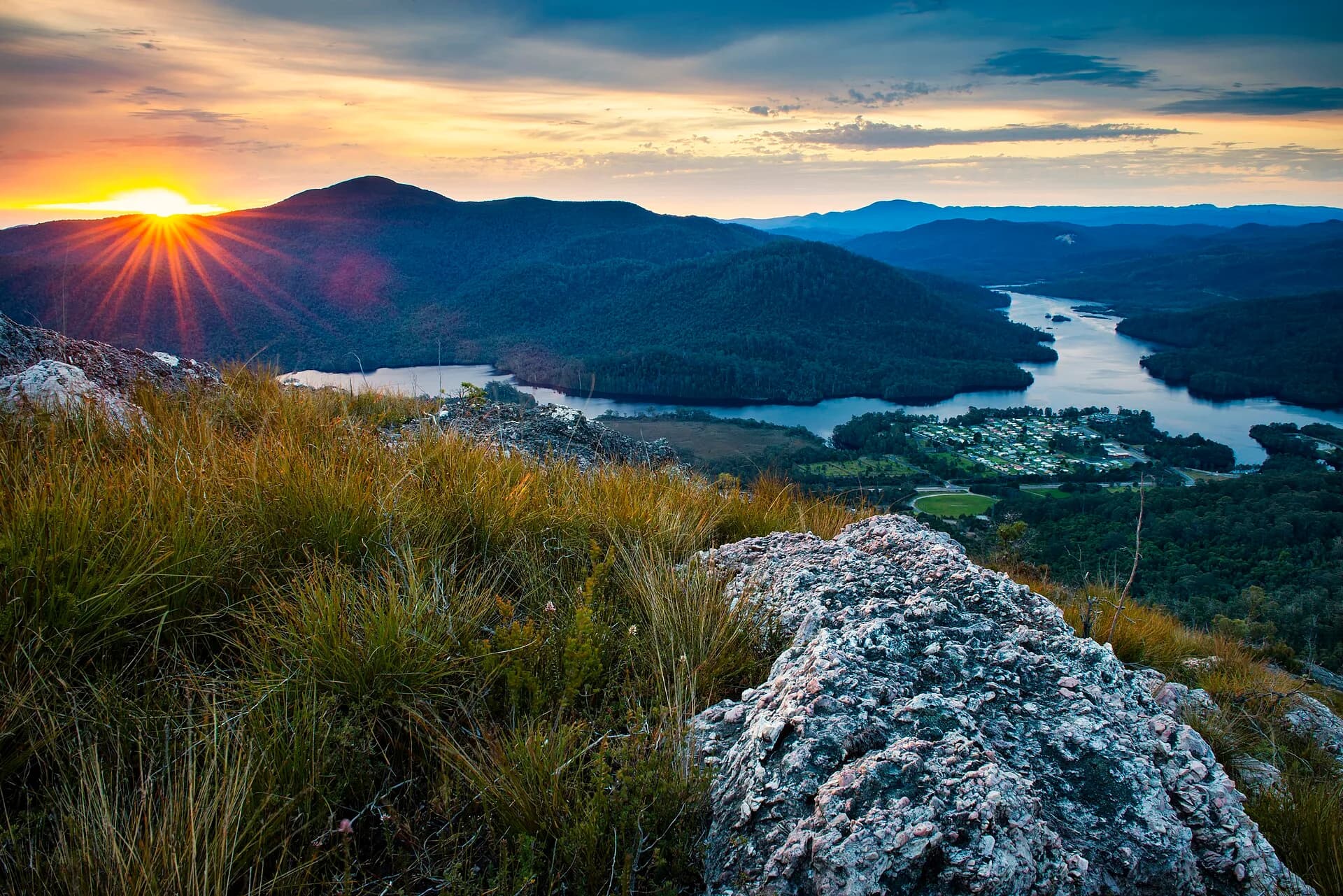

Lake Mackintosh spreads through mountain country north-west of Tullah. It is an operating hydro storage in the Pieman power scheme, but its sheltered inlets, boat ramps and trout fishery also make it a practical recreation lake when West Coast conditions cooperate.
The lake belongs to a working power scheme
Mackintosh Power Station sits at the foot of Mackintosh Dam. Hydro Tasmania records the station as commissioned in 1982, with one Francis turbine and an 89 megawatt generating capacity. Water leaves the station for Lake Rosebery, then continues through the lower Pieman scheme.
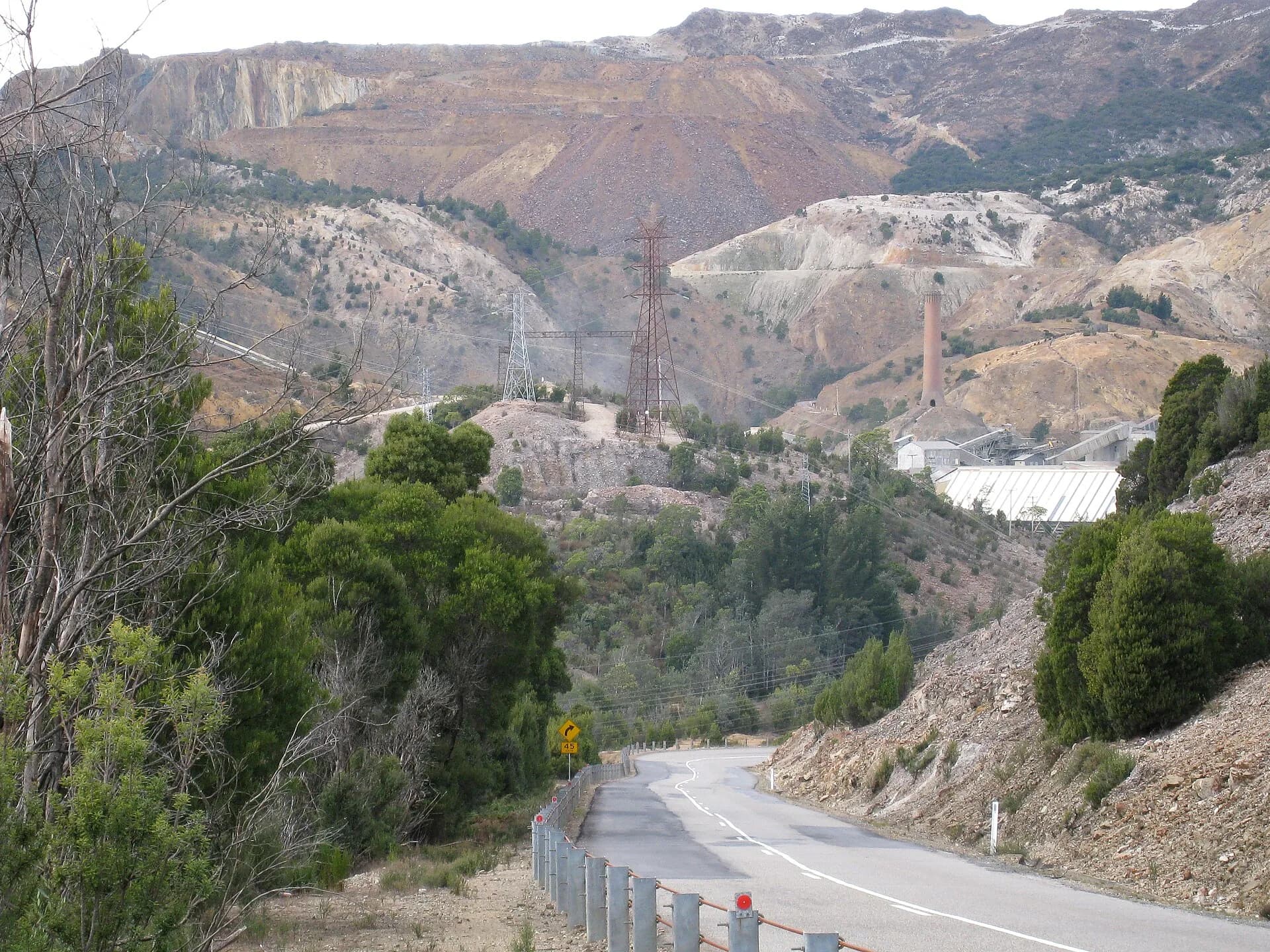

Dams, spillways, power stations and transmission areas are operating infrastructure. Use public roads and recreation sites only, and obey gates, barriers and changing access notices.
Launch with West Coast conditions in mind
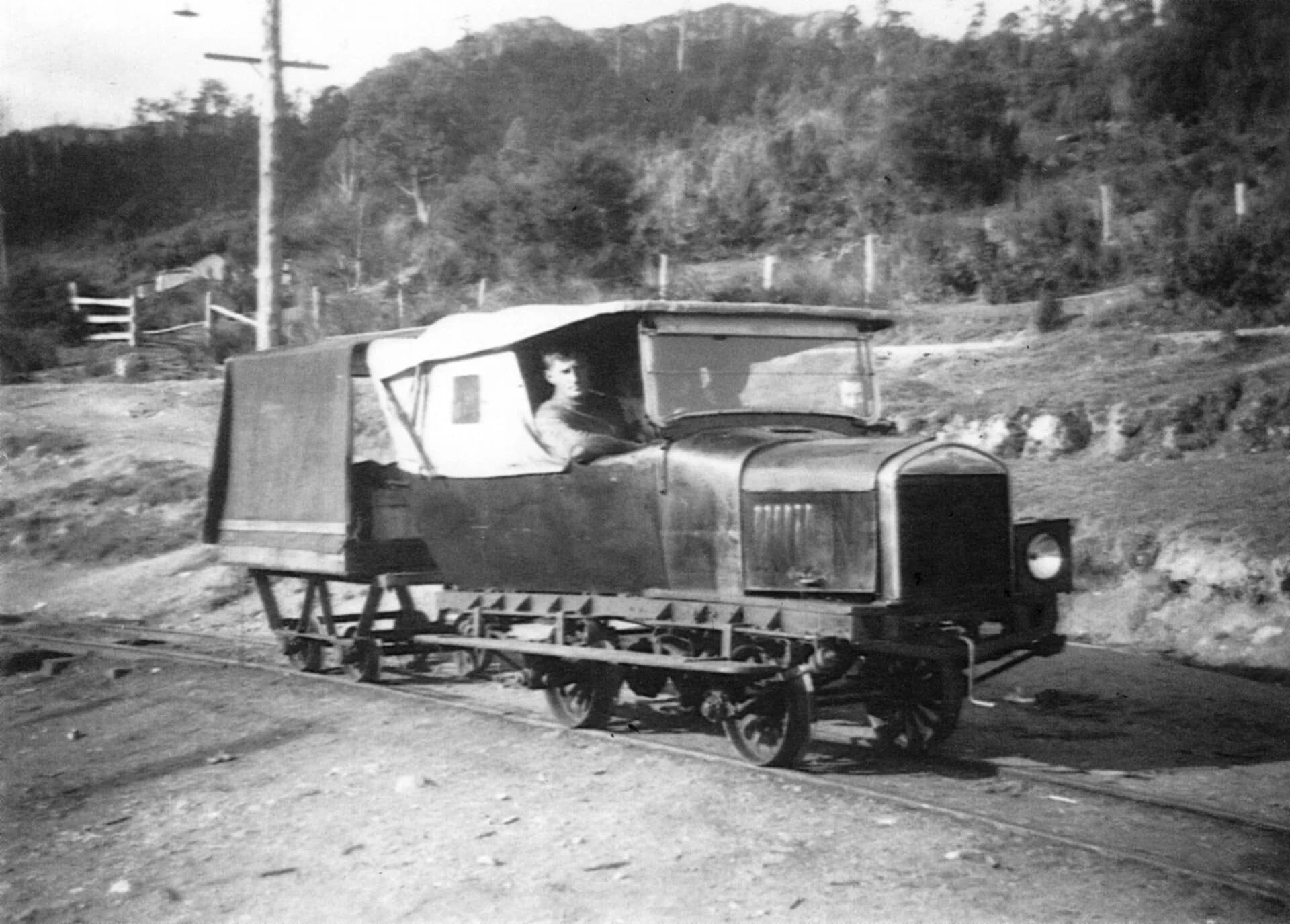
Hydro Tasmania provides three free boat ramps around Lake Mackintosh. Water levels can expose timber and other hazards, while wind and cold rain may arrive quickly around the surrounding ranges.
.jpg)
Check Hydro water alerts and lake levels before towing a boat in. Carry the safety equipment required by Marine and Safety Tasmania, tell someone the plan and avoid relying on mobile coverage.
Trout fishing and biosecurity
The Inland Fisheries Service manages Lake Mackintosh as a trout water. A current inland angling licence and the season’s rules apply. Limits, methods and promotion details can change, so use the current Infish entry rather than an old printed summary.
.jpg)
Clean, drain and dry boats, trailers, waders and fishing gear before moving between lakes. Do not transport live bait, fish, aquatic plants or water.
Use Tullah as the base
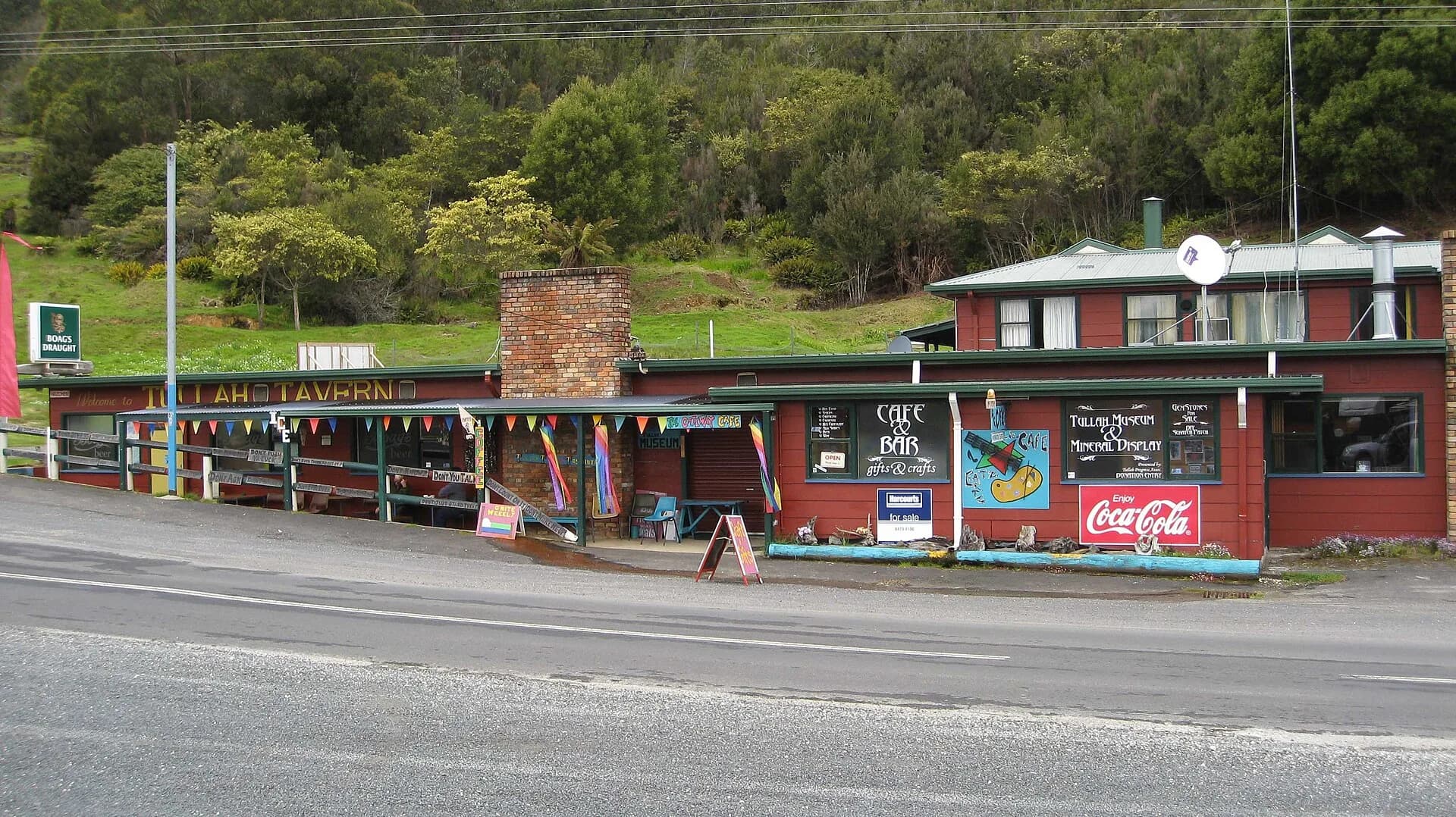
Tullah is the closest settlement and the sensible place to confirm fuel, food and accommodation. Services are limited compared with Burnie or Devonport, and businesses may change hours outside busy periods.

The wider West Coast guide covers weather and road planning. Lake Mackintosh is best treated as the day’s focus rather than an incidental stop between Cradle Mountain and Strahan.