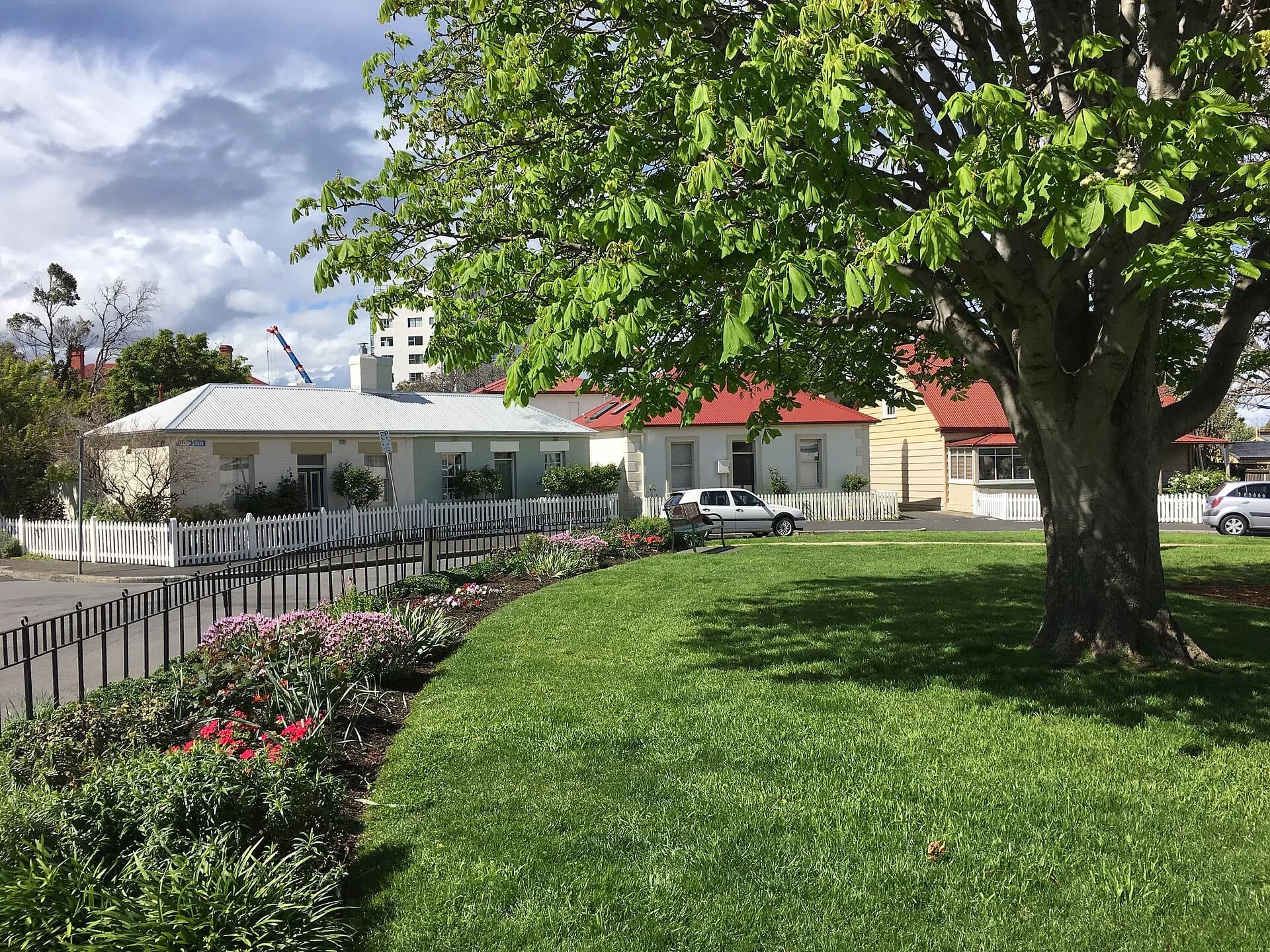

Hobart’s historic houses range from modest workers’ cottages to merchant villas. Most remain private homes. Their value lies in construction, gardens, domestic work, ownership and changing neighbourhoods, not simply an attractive facade.
Visit houses that are open to the public
Narryna in Battery Point and Runnymede in New Town interpret domestic collections and the people who lived and worked within them. Opening hours, access and admission vary, so confirm them directly.
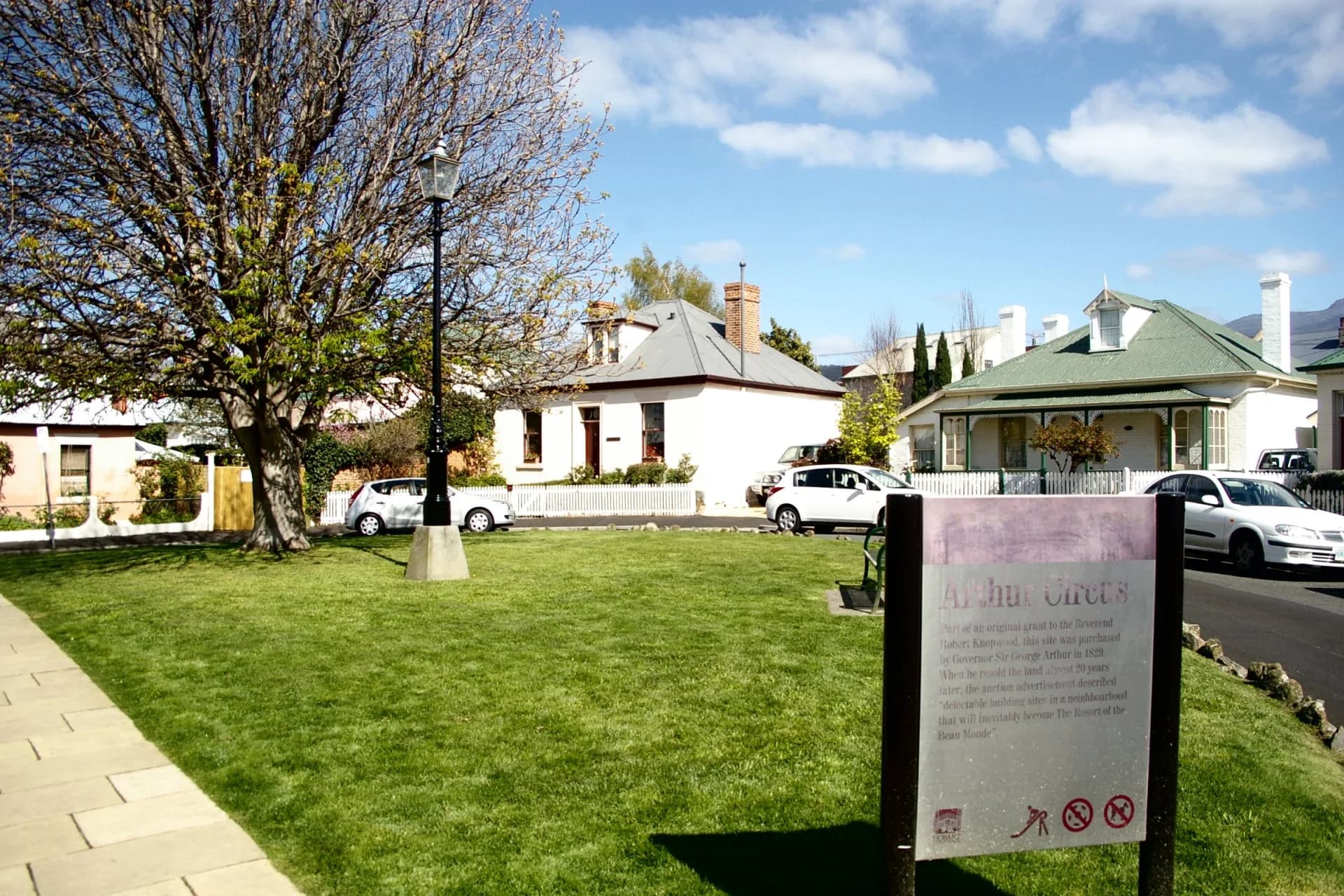
_Arthur_Circus_2012.jpg)
Read streets as groups of buildings
Battery Point’s cottages, terraces and larger houses make sense as a precinct connected to waterfront labour, trade and later conservation. Stay on public footpaths and do not enter gardens or doorways for photographs.

Heritage records reveal change
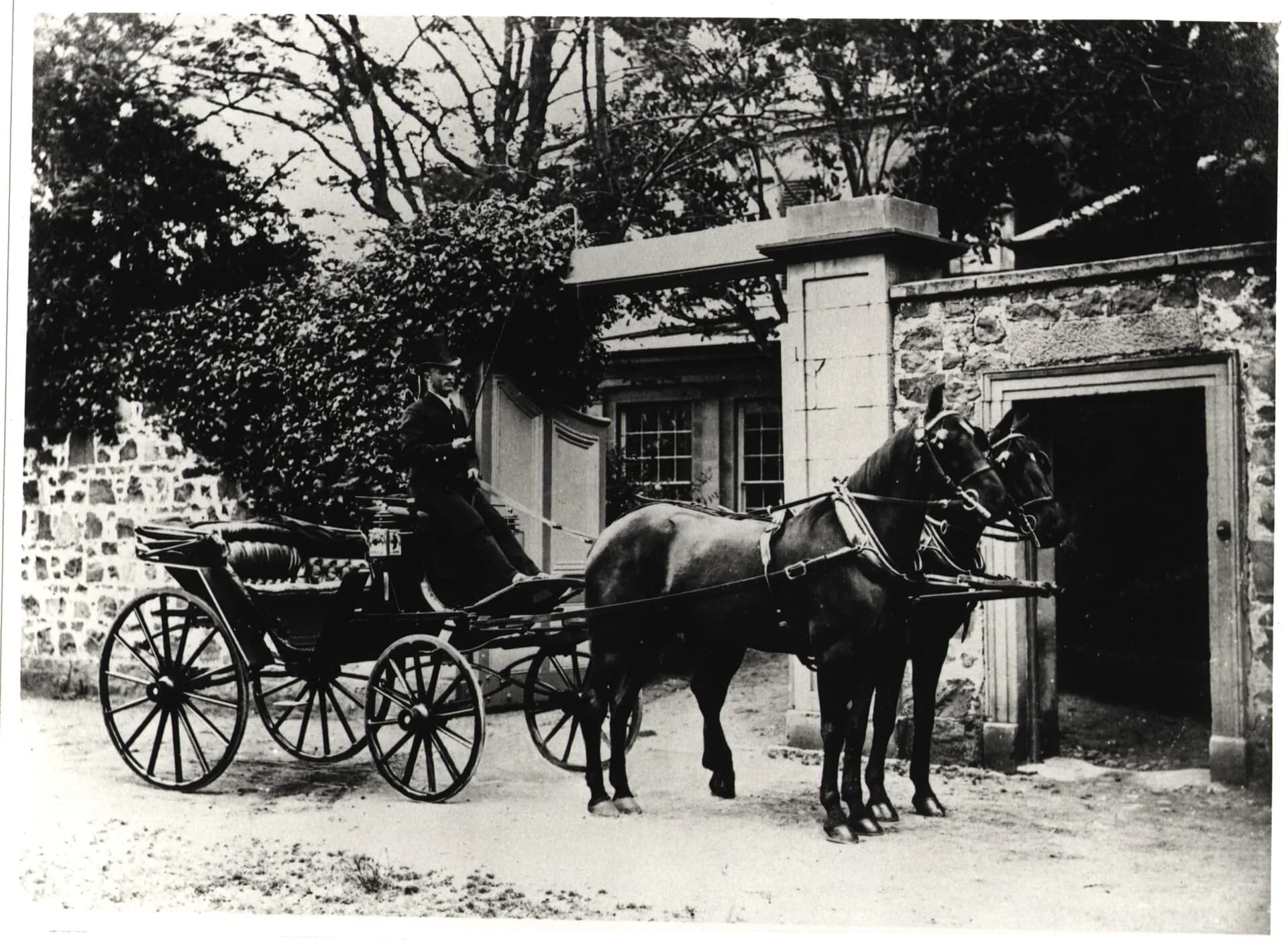
Council and state heritage records can identify architects, owners, additions and significance. They should be combined with directories, maps and family records rather than used as a complete social history.
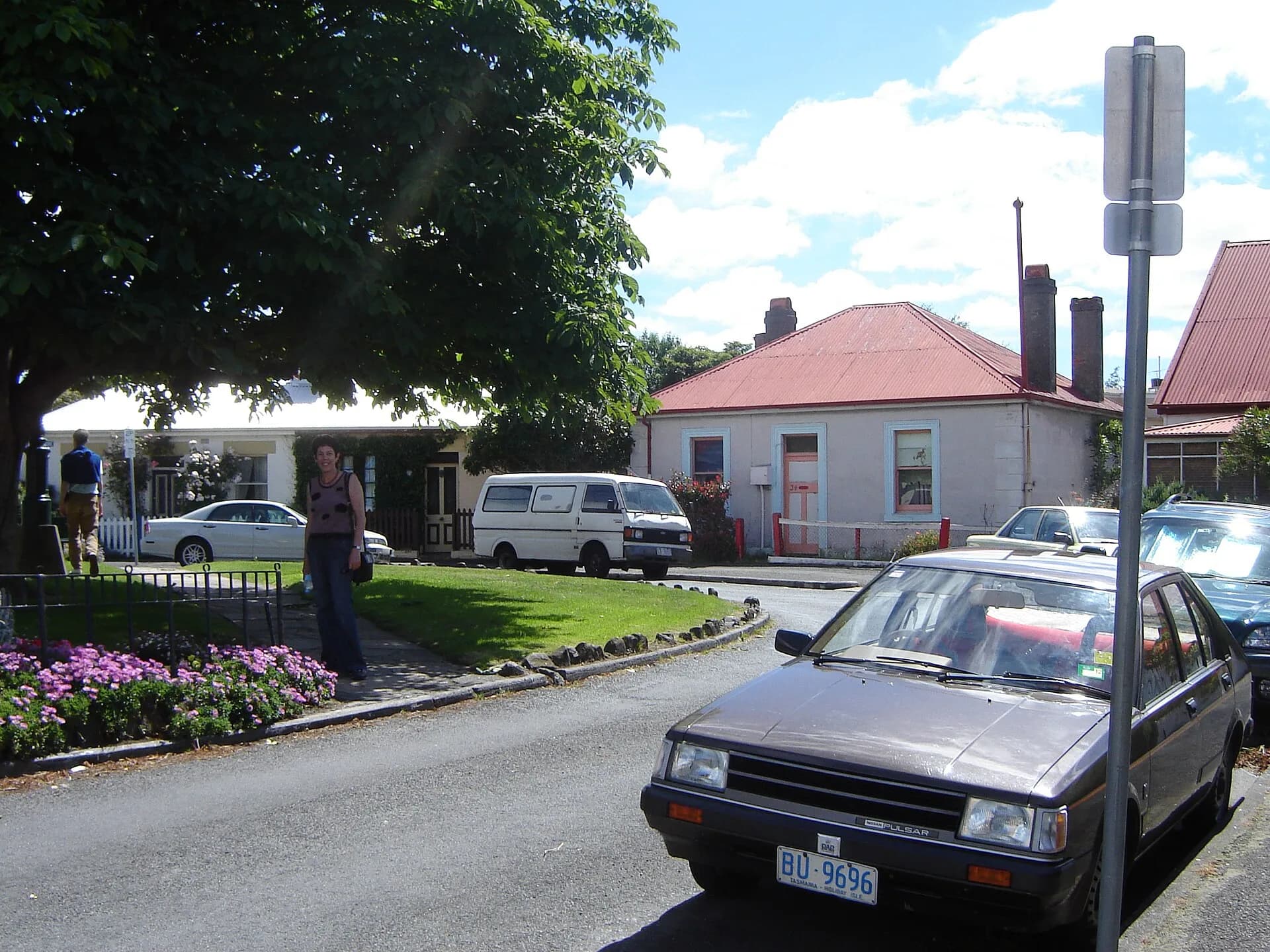

Use the Battery Point guide, Hobart architectural walk and historic-sites guide to plan a respectful route.