

The Furneaux Group lies in eastern Bass Strait between Tasmania and Victoria. Flinders Island is the largest and the main visitor destination. Cape Barren Island supports a strong Aboriginal community, while many smaller islands are private, protected or difficult to access.
Flinders Island is the transport and service centre
Regular flights connect Whitemark with Tasmania and mainland Australia, while freight and vehicle shipping arrangements are separate. Distances, unsealed roads and limited opening hours make advance planning important.
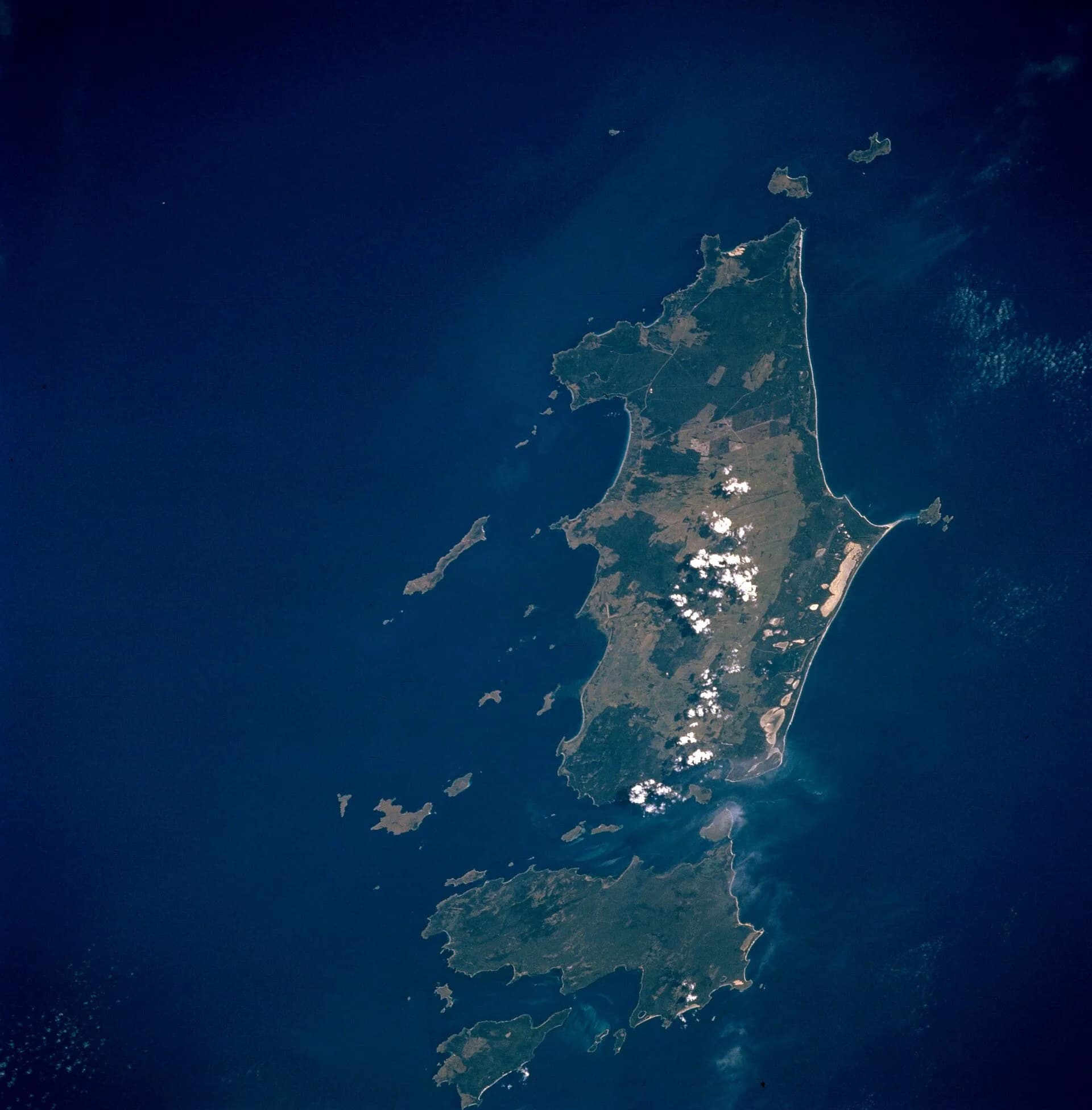

Cape Barren Island is a living community
Cape Barren Island has deep significance in the survival and continuity of Tasmanian Aboriginal families. It is not simply another sightseeing stop. Visitors must respect community authority, land ownership and access arrangements.
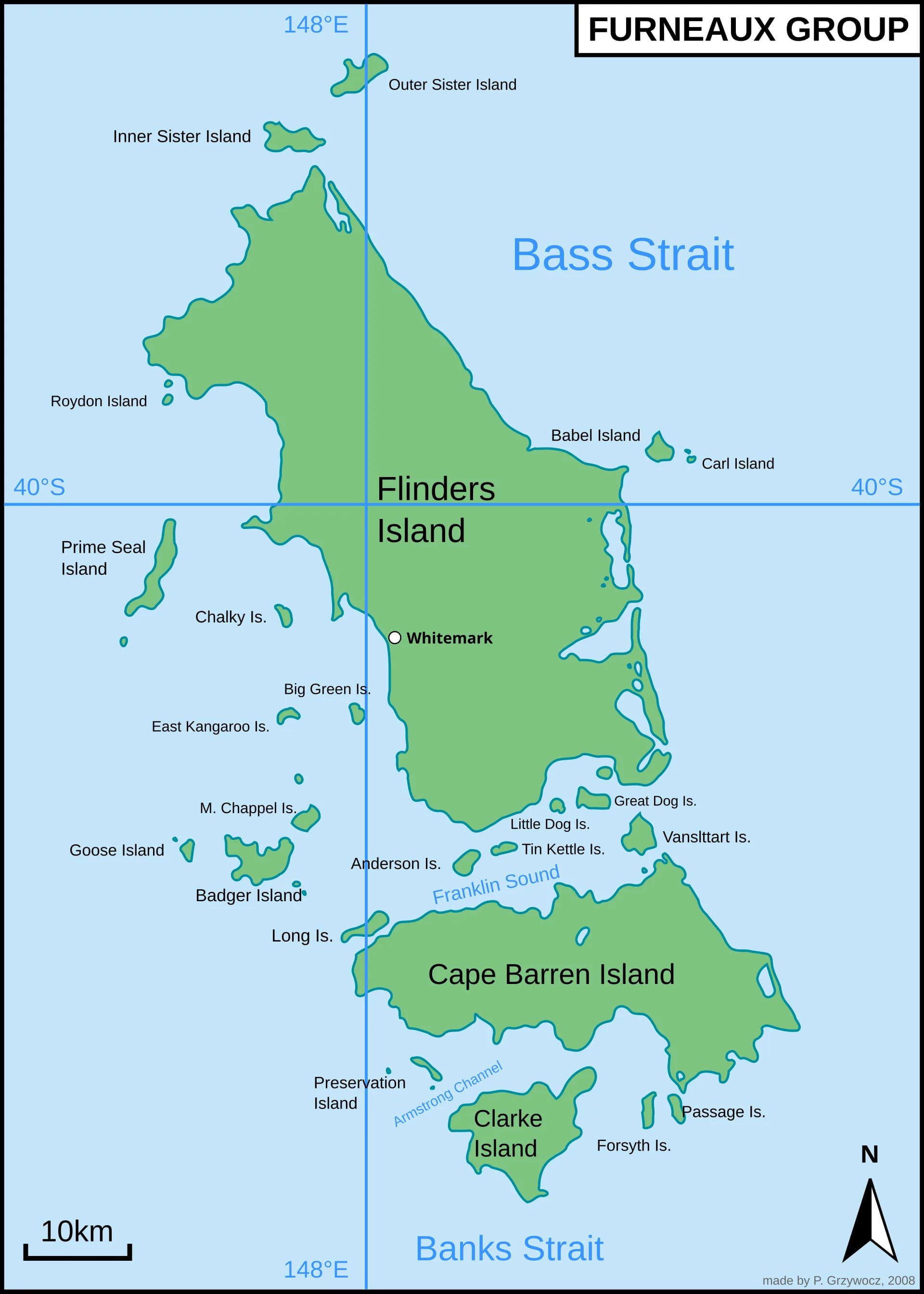

Smaller islands have different protections
Clarke, Chappell, Badger, Vansittart, Preservation and many smaller islands vary in tenure and conservation status. Landing, camping, diving or collecting may require permission or be prohibited. Marine weather can isolate boats quickly.
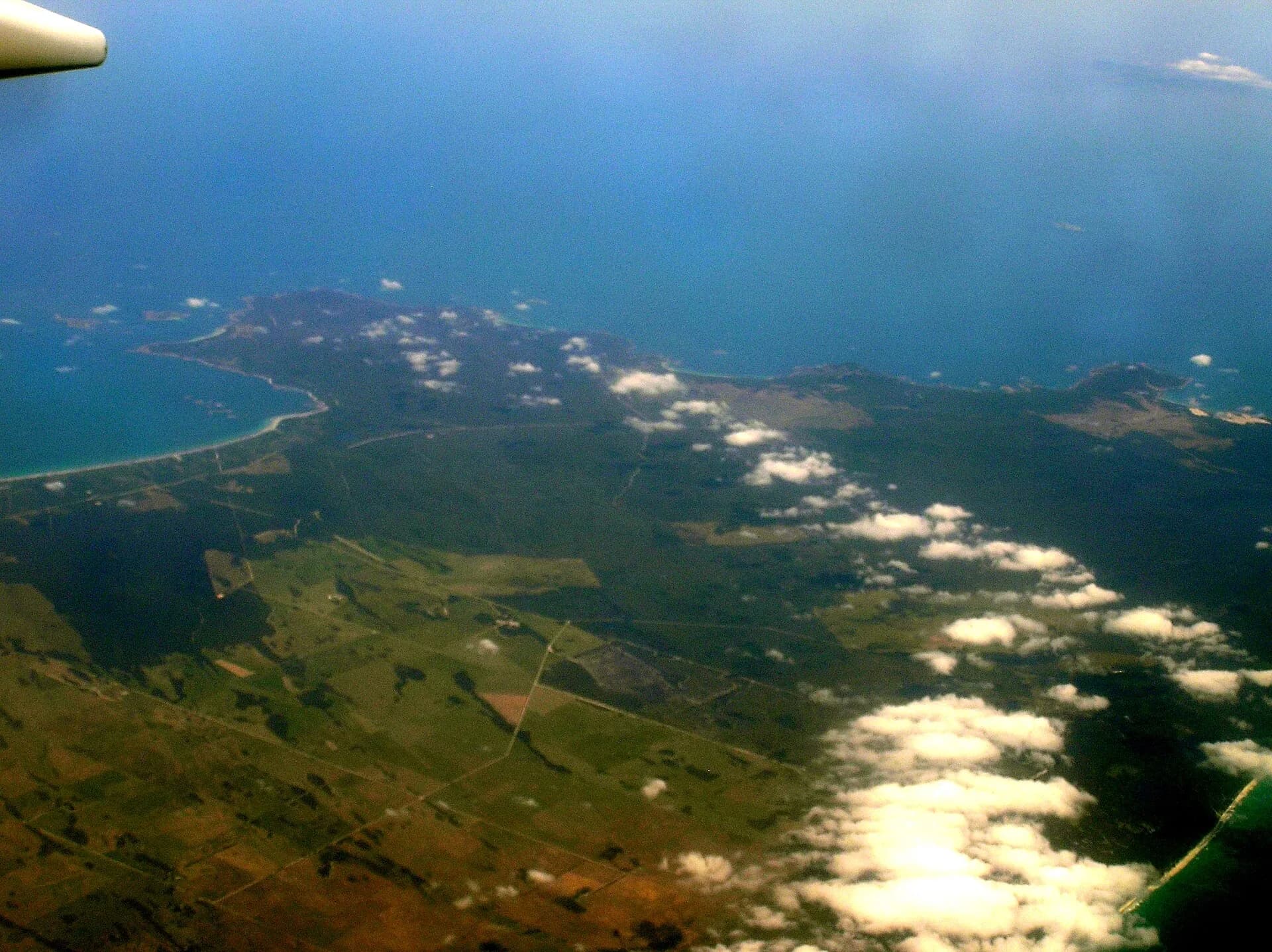

Begin practical planning with the Flinders Island guide. For the colonial naming story, read Tobias Furneaux, then use official council and Parks information for current access.