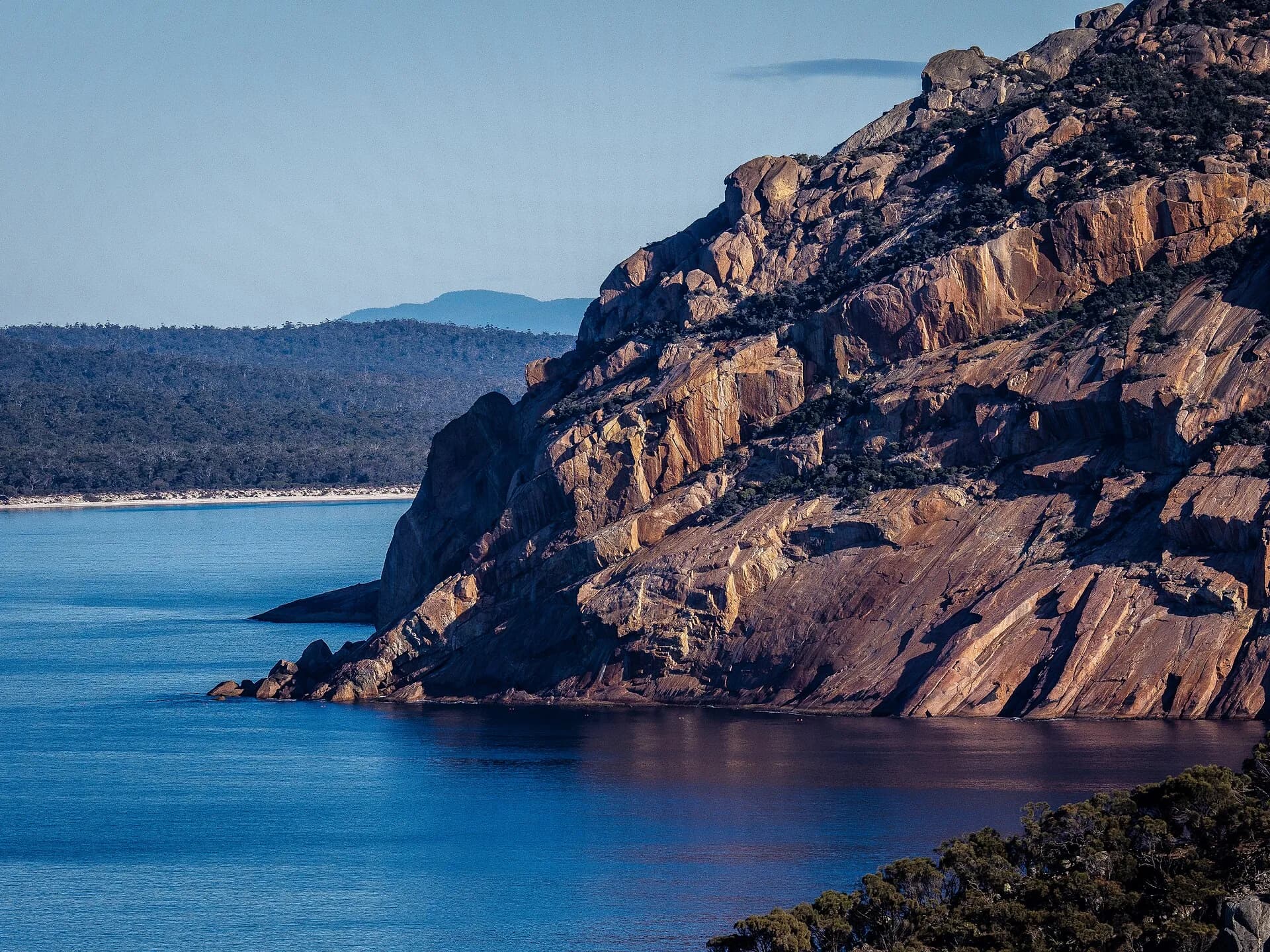

There is no single best month for every Tasmania trip. The right season depends on whether you want long walking days, winter festivals, gardens, wildlife, beaches or quiet roads. Conditions also vary between the east, west, coast and high country.
Summer: long days and busy places
December to February brings the longest daylight and the greatest demand for popular accommodation, campgrounds and walks. It suits road trips and longer days outside, but heat, strong sun, wind and fire danger can change plans.
Book key stays early and carry water. Do not assume alpine weather will match the coast. Mountain cold, rain and low cloud remain possible in summer.
Autumn: touring and changing colour
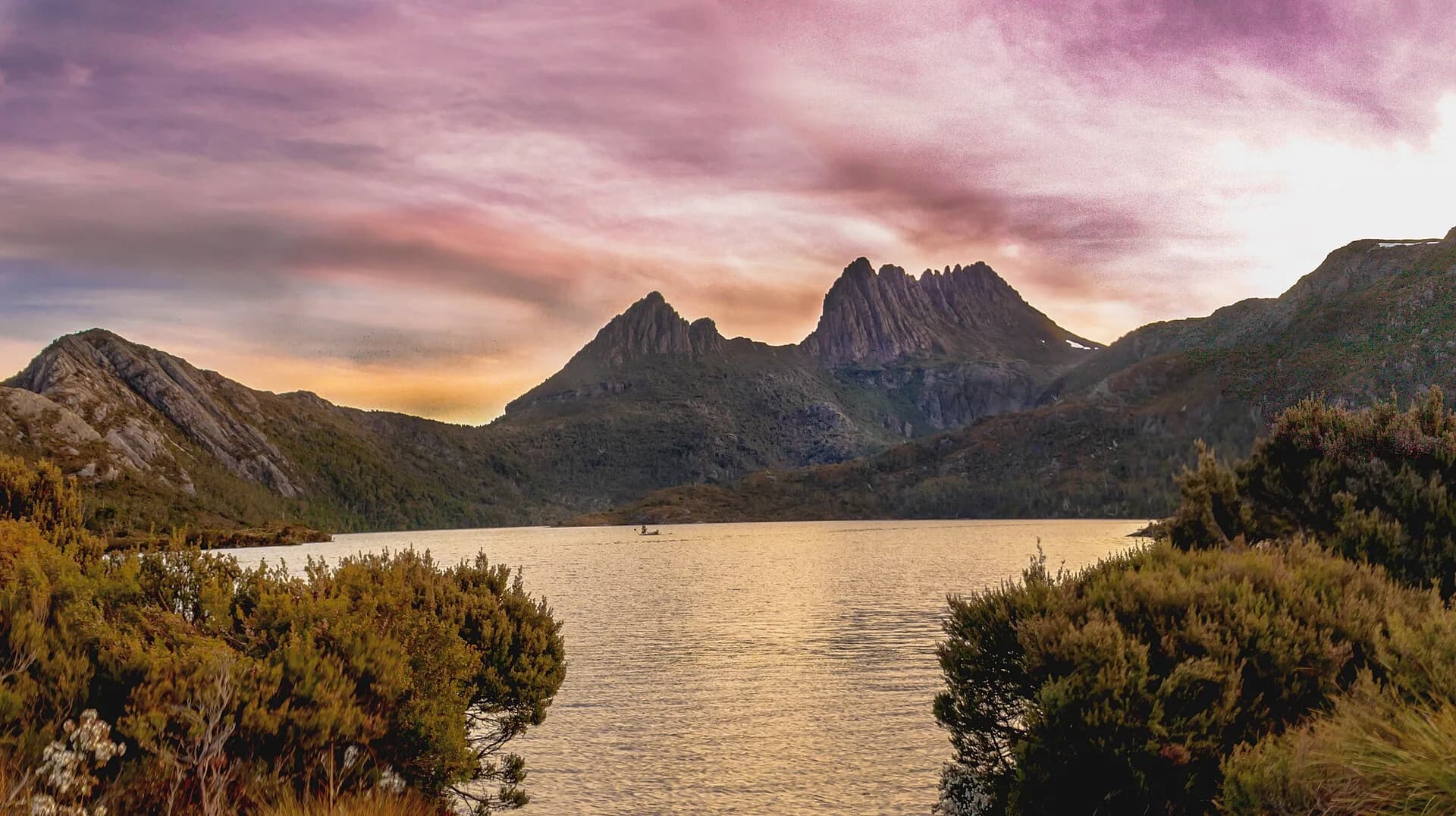
March to May often suits town visits, road trips and lower-elevation walking. Days shorten steadily and nights become colder. Deciduous gardens and introduced trees change colour, while the turning of the fagus in alpine areas attracts walkers when conditions allow.
Autumn colour is seasonal rather than guaranteed on a particular date. Check current park information before making a special trip to exposed country.
Winter: short days and a different island
June to August brings colder temperatures, short daylight and possible snow or ice in highland districts. Some businesses reduce hours while winter festivals and indoor cultural programs become central to city trips.
Build extra time into road travel, avoid late driving where wildlife is active and check for frost, snow and closures. A winter itinerary works best with flexible outdoor choices and several strong indoor alternatives.
.jpg)
Spring: growth and rapid changes
September to November can shift quickly between calm sun, rain, wind and late snow. Gardens and wildflowers add interest, but exposed walks still require full preparation.
Spring weather can be unsettled. Use current forecasts rather than seasonal averages when choosing a route, and carry layers even on a mild morning.
Match the season to the activity
For multi-day and alpine walking, begin with official track requirements and expected conditions. For beaches and coastal trips, consider water temperature, wind and the absence of patrols at many locations. Garden trips may suit spring or autumn, while food and cultural travel works throughout the year when opening days are checked.
Wildlife activity changes through the year and by time of day. Watch from a distance, avoid feeding animals and follow local restrictions around breeding colonies.
Regional weather matters more than one forecast
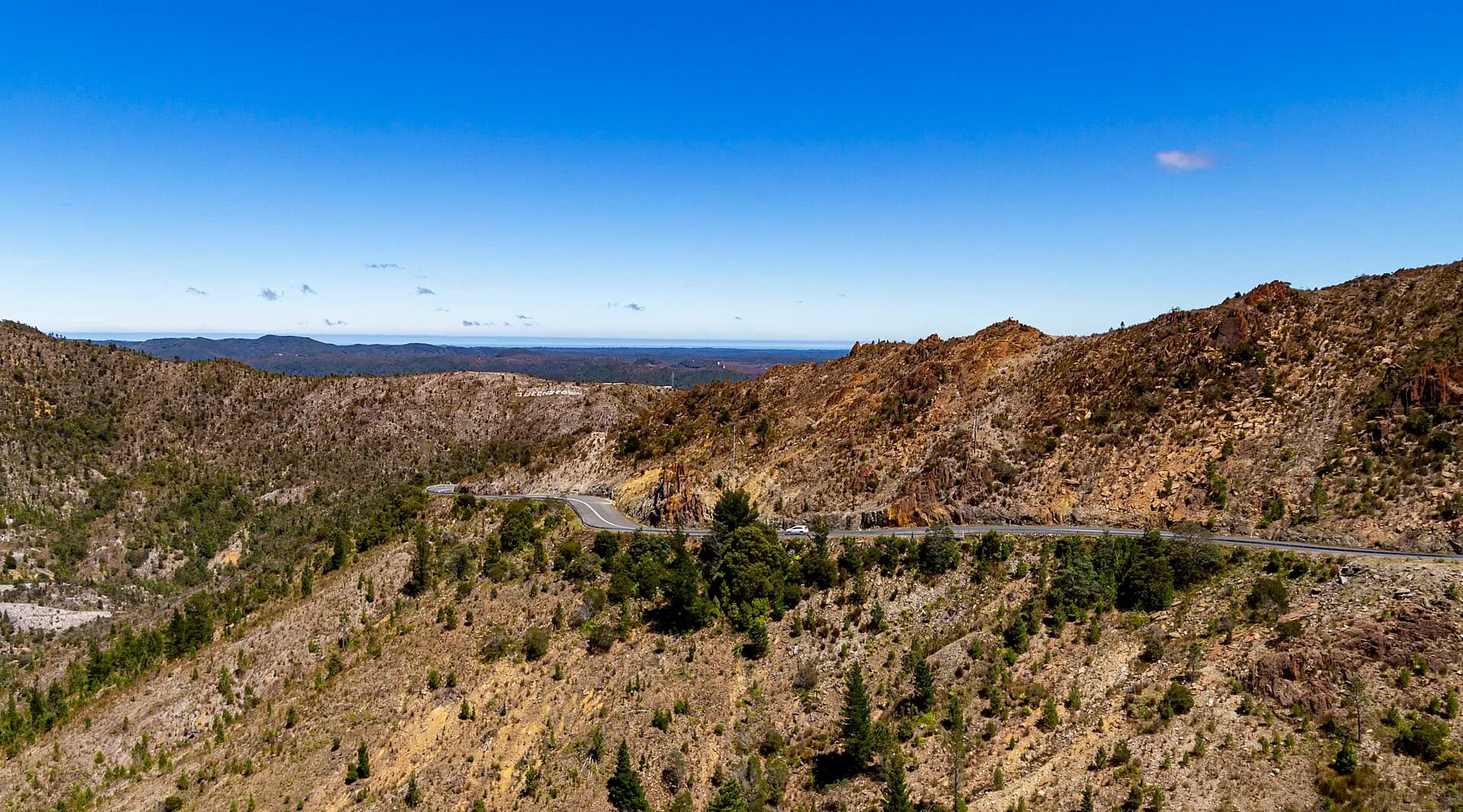
Western Tasmania and elevated country are generally wetter and colder than much of the east. Hobart, Launceston, the Central Plateau and the West Coast can have very different conditions on the same day.
Check forecasts for the actual destination, not only the city where you woke up. Park alerts, road warnings and marine conditions may be more useful than a broad state forecast.

Crowds, prices and bookings
Summer, school holidays and major events can tighten accommodation and vehicle supply. Shoulder seasons may offer more choice, but reduced trading hours matter in small towns. Winter can be excellent value when the itinerary is designed around daylight and open services.
Before booking a cheaper date, confirm that the walks, ferries, tours and venues important to you are operating. A low room rate does not help if the main reason for visiting is unavailable.
Make the final decision
List the three activities that matter most, then choose the season that supports them. Keep a weather alternative for each outdoor day. Read Tasmania weather and seasons for regional patterns and check live official information close to departure.