.jpg)
Tasmania lies in the temperate zone and experiences four seasons, but elevation and exposure often matter more than the date. The west, east, coast and Central Plateau can have very different weather on the same day.
The west is wetter
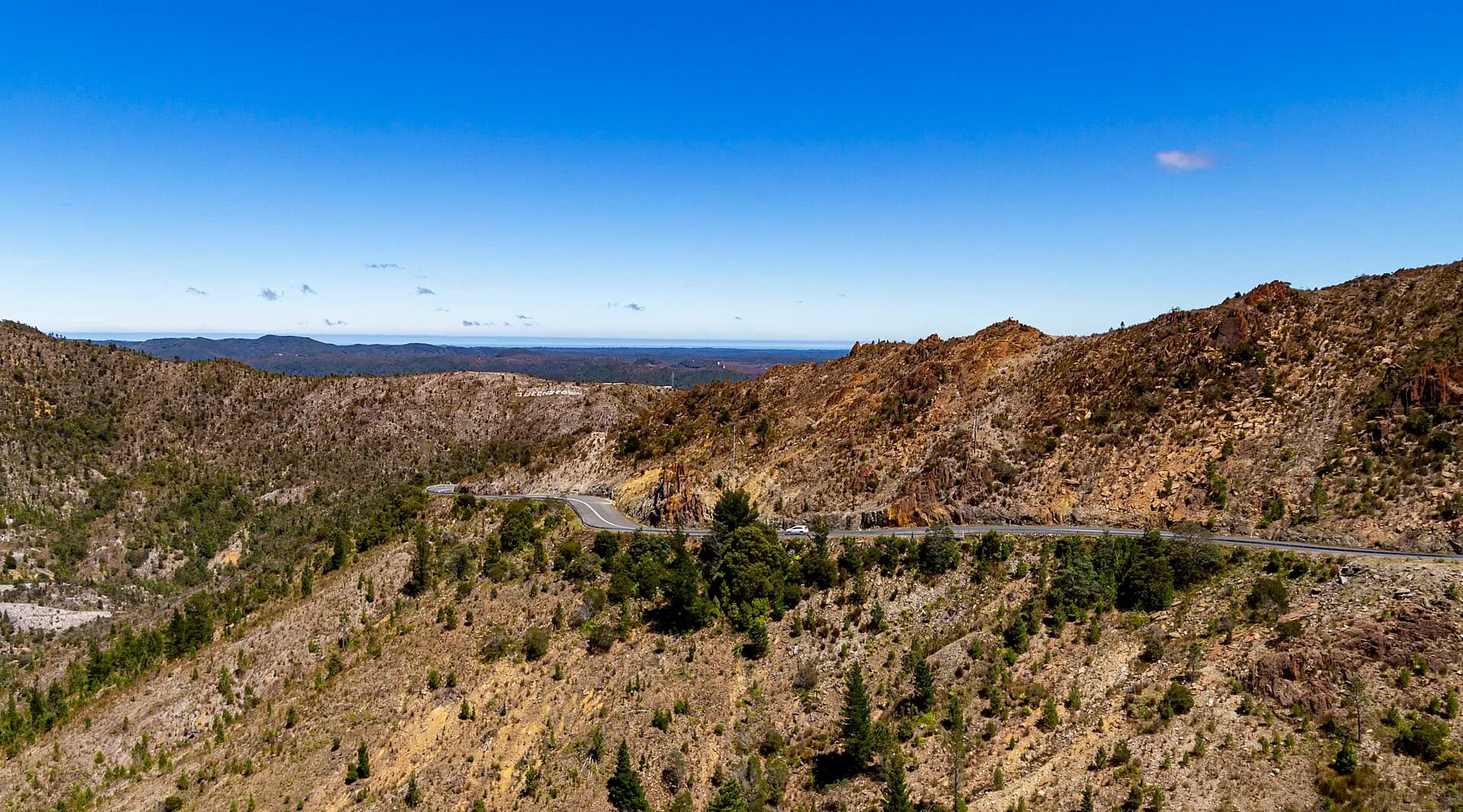
Weather systems from the Southern Ocean meet Tasmania’s western ranges first. The West Coast and south-west receive much more rain than many eastern districts. Rainforest, rivers and hydro-electric landscapes reflect that pattern.
Carry waterproof layers and allow for poor visibility. A wet day can suit museums, short rainforest walks and town history, but flooding and strong wind can close roads or tracks.
The east is drier, not weatherproof
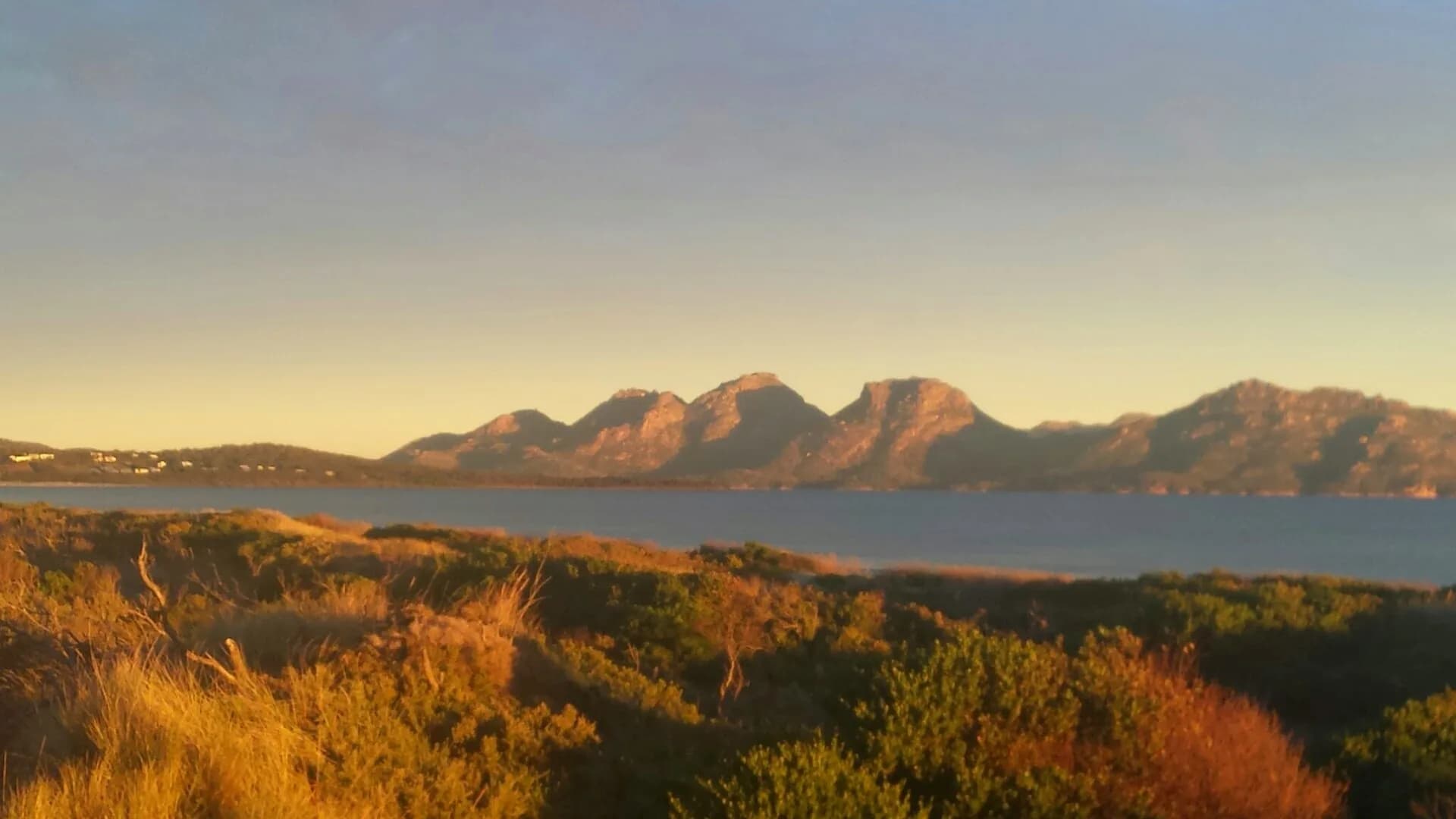
The East Coast and parts of the Midlands sit in a relative rain shadow. They often have lower rainfall, but still experience heat, wind, cold fronts and fire danger.
Carry water and sun protection on coastal walks. Check fire restrictions and emergency information during hot or windy periods.

Elevation changes everything
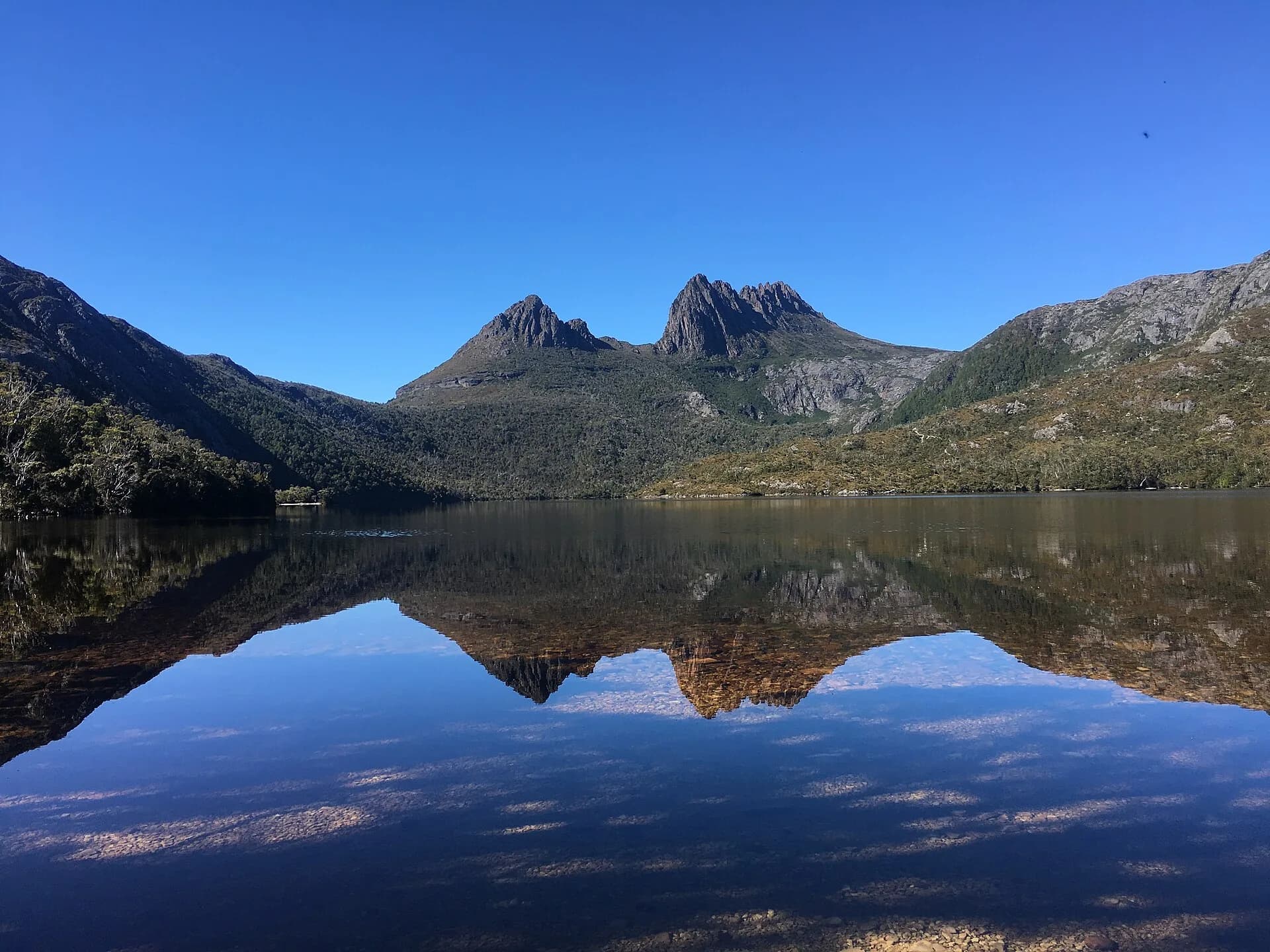
Mountain and plateau temperatures are lower than nearby coasts. Snow, ice, hail and strong wind can occur outside winter. Conditions at Cradle Mountain, kunanyi or the Central Plateau may bear little resemblance to Hobart or Launceston.
Use a forecast for the actual destination and read park alerts. Turn back when conditions exceed your equipment or experience.
Summer
December to February offers long daylight and generally warmer temperatures. Heatwaves, bushfire risk and strong ultraviolet exposure still require planning. Alpine cold and rain remain possible.
Autumn
March to May brings shortening days and cooler nights. Touring and lower walks can be comfortable, while frost and high-country weather become more likely as the season advances.
Winter
June to August has the shortest daylight, cold nights and possible snow or ice inland. Road travel deserves more time. Some attractions reduce hours, while winter events and indoor venues provide strong alternatives.

Spring
September to November is highly variable. Late snow, rain, wind and clear warm periods can occur close together. Pack for change and avoid using one settled morning as evidence for an exposed afternoon walk.
Reading forecasts properly
Check the Bureau of Meteorology location forecast, warnings and radar where useful. For marine trips, use marine forecasts. For parks, add official alerts and track information. For roads, check current state warnings.
A percentage chance of rain does not describe wind, temperature or exposure. Read the full forecast and consider the conditions at the highest or most remote part of the day.
What to pack
Layers, a waterproof outer layer, sun protection and reliable footwear belong in most itineraries. Outdoor days also need food, water and navigation suited to the route. Remote walks may require a personal locator beacon.
Keep a dry set of clothing in the vehicle and avoid relying on mobile reception. When to visit Tasmania helps match these patterns to seasonal activities.