

A guided experience is most valuable when specialist knowledge, transport, equipment or controlled access changes what a visitor can safely understand or do. Old tour lists age quickly, so confirm every departure with the current operator.
Match the tour to the place
City and heritage walks suit short visits. Wildlife, food and cultural tours can add context that is difficult to obtain from a self-guided stop. Boat trips, canyoning and remote walks require stronger attention to weather, qualifications and cancellation terms.


Check the operator and inclusions
Read the full itinerary, group size, fitness grade, transport arrangements, meals, equipment and park-entry inclusions. Ask who leads the activity and what happens if weather or minimum numbers cancel it.
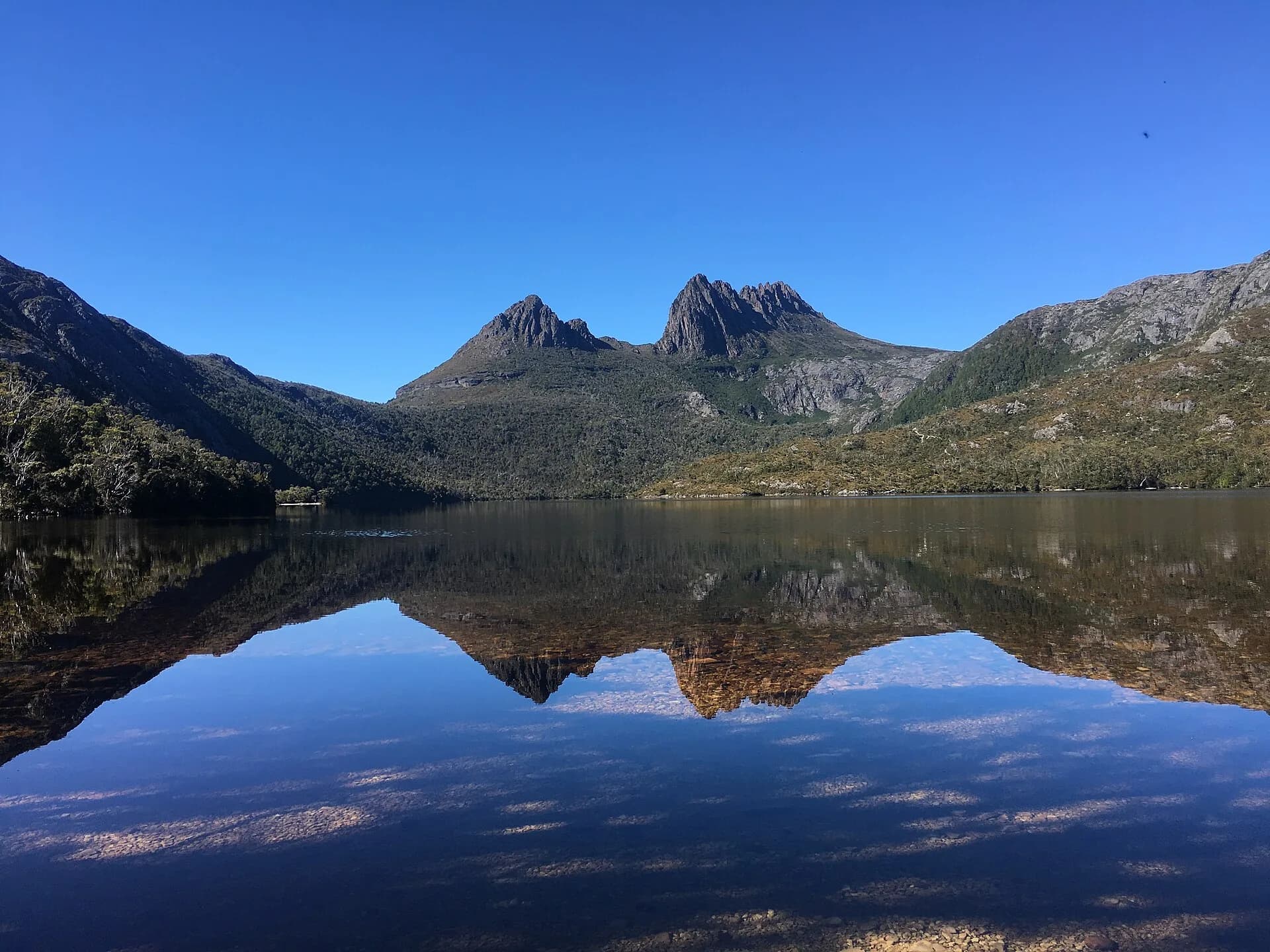

For commercial activity in national parks, use operators authorised for the place and activity. For boats, check the vessel and safety information supplied by the operator rather than relying on a marketplace listing.
Allow for Tasmania’s weather
An exposed cruise or alpine walk may change route or date. Build flexibility around high-consequence activities and do not pressure a guide to proceed in unsafe conditions.
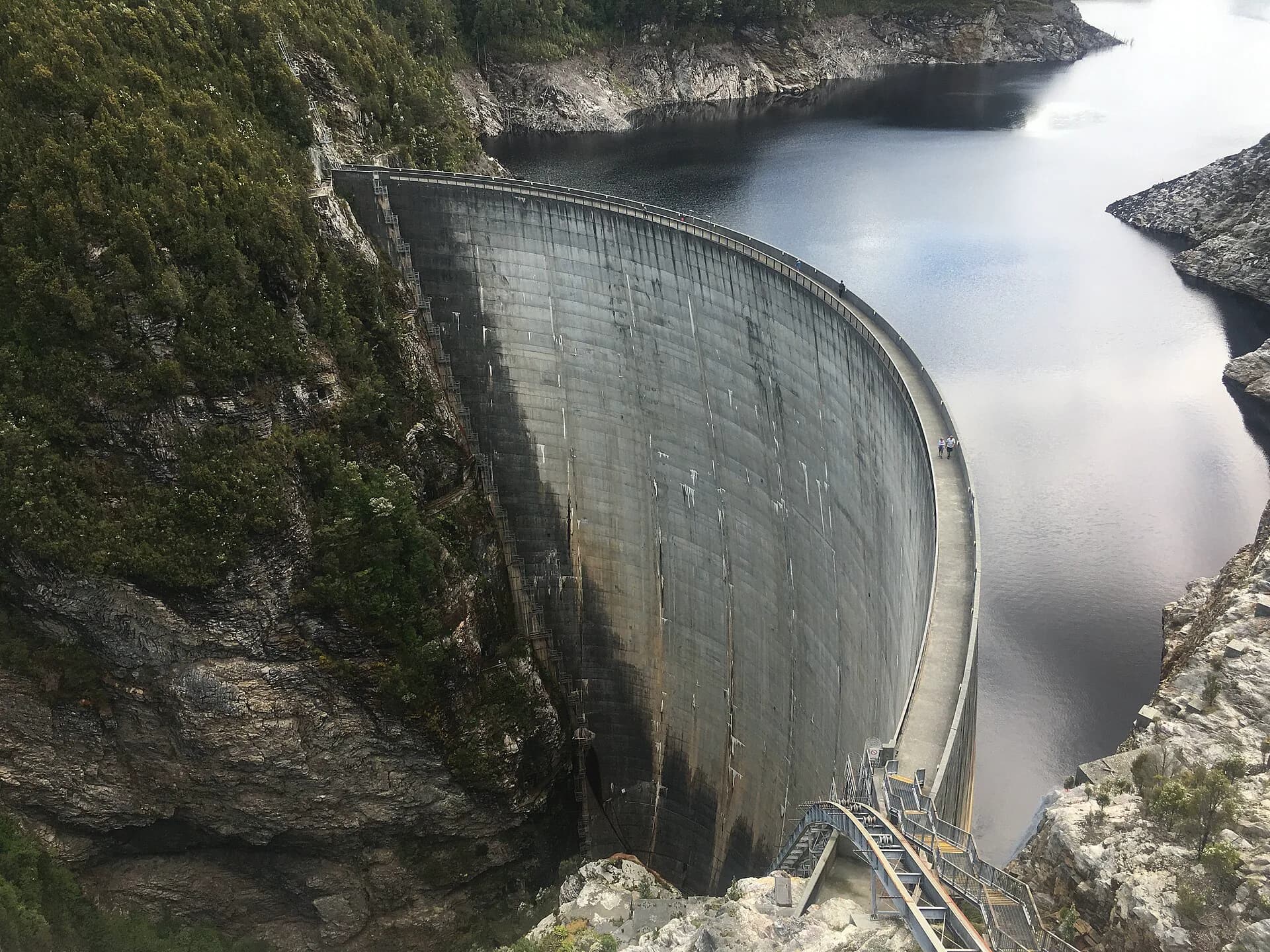

Book direct and keep records
Record the operator’s legal name, contact details, meeting point, cancellation policy and emergency number. Use the official regional or park page to check independent access alerts before departure.
For self-guided alternatives, compare day trips from Hobart, the Tasmania circuit route and things to do.