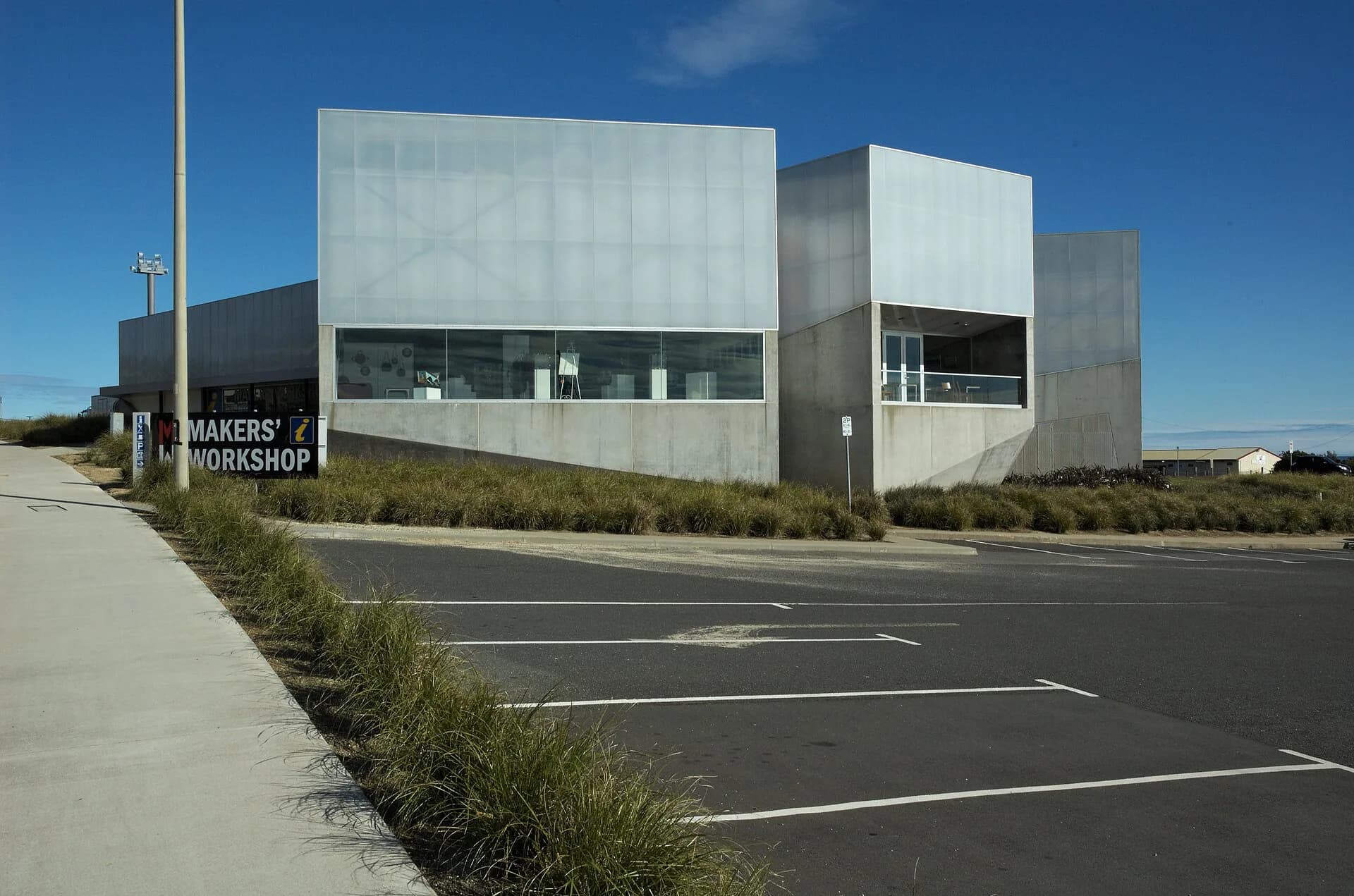

Tasmanian-made work spans furniture, ceramics, textiles, jewellery, printmaking, food and small-batch design. The useful question is not whether an item carries an island-shaped label, but who made it, where the materials came from and how the sale supports the practitioner.
Start with recognised cultural organisations
Arts Tasmania and regional galleries maintain current links to artists, organisations and exhibitions. Design groups, public collections and council arts programs can lead to studios and shops without relying on an old commercial directory.
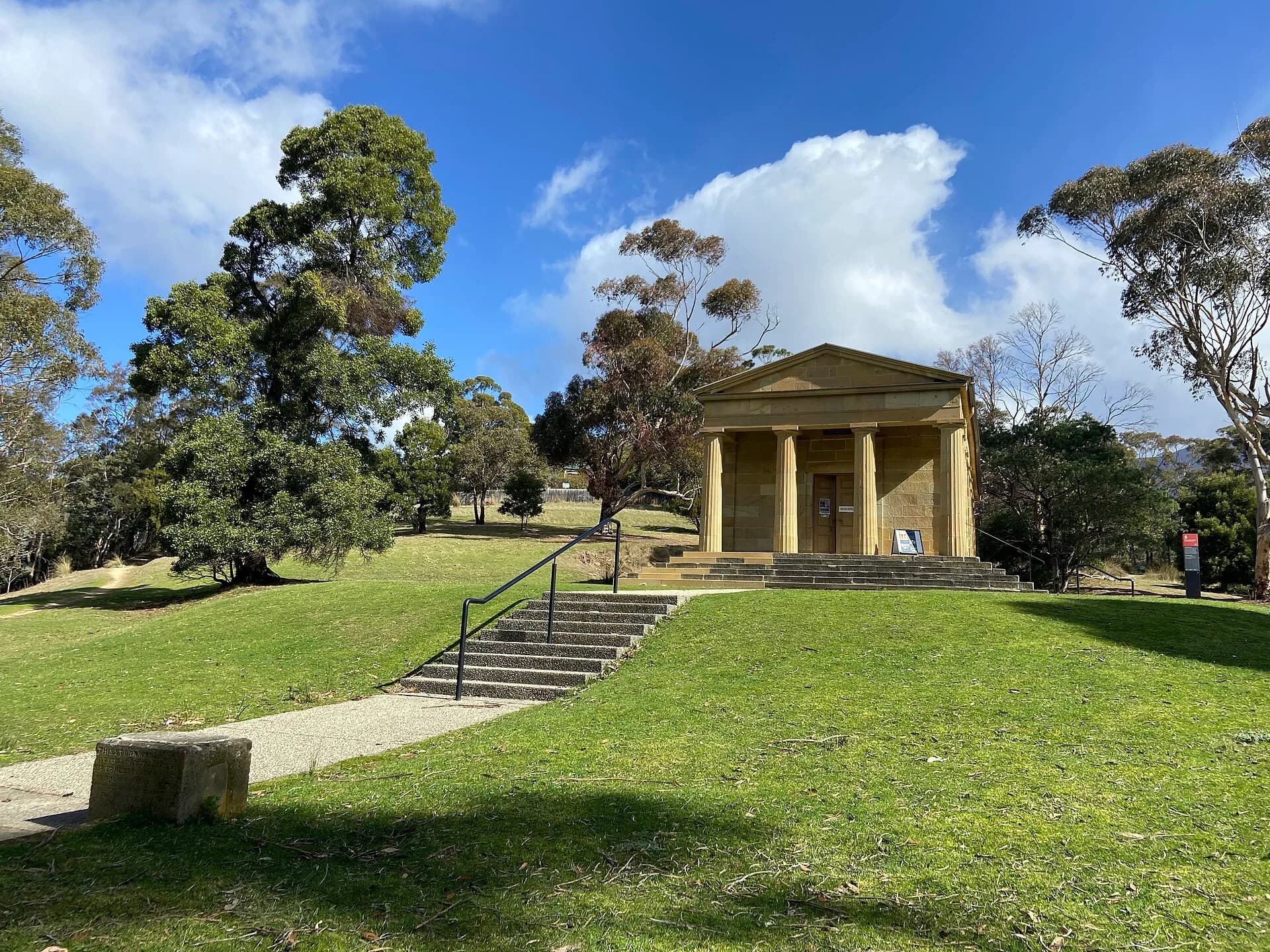

Markets and studios change their hours
Weekend markets are useful for meeting producers, but dates, venues and stallholders vary. Confirm the organiser’s current listing and contact a studio before making a special journey.
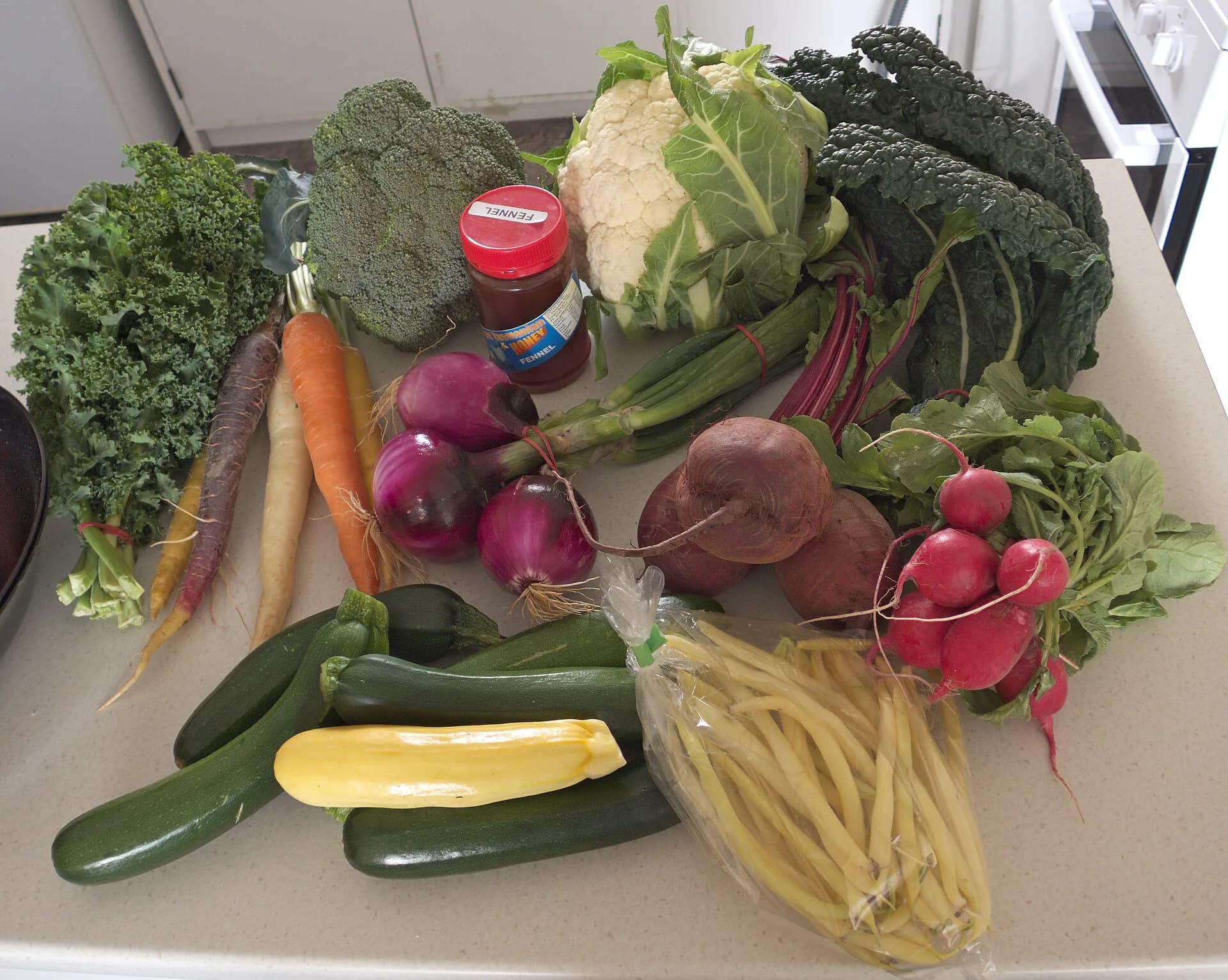

Ask about provenance
For Aboriginal art and cultural products, buy through artists or reputable organisations that identify the maker and community. Do not assume a Tasmanian theme makes an object Aboriginal-made or culturally authorised.

For timber, ask the maker to identify the species and source. For food and drink, check the production address rather than relying on packaging language alone. If taking purchases interstate or overseas, confirm biosecurity and freight restrictions before buying.
Regional starting points include Burnie, Launceston and Hobart.