.jpg)
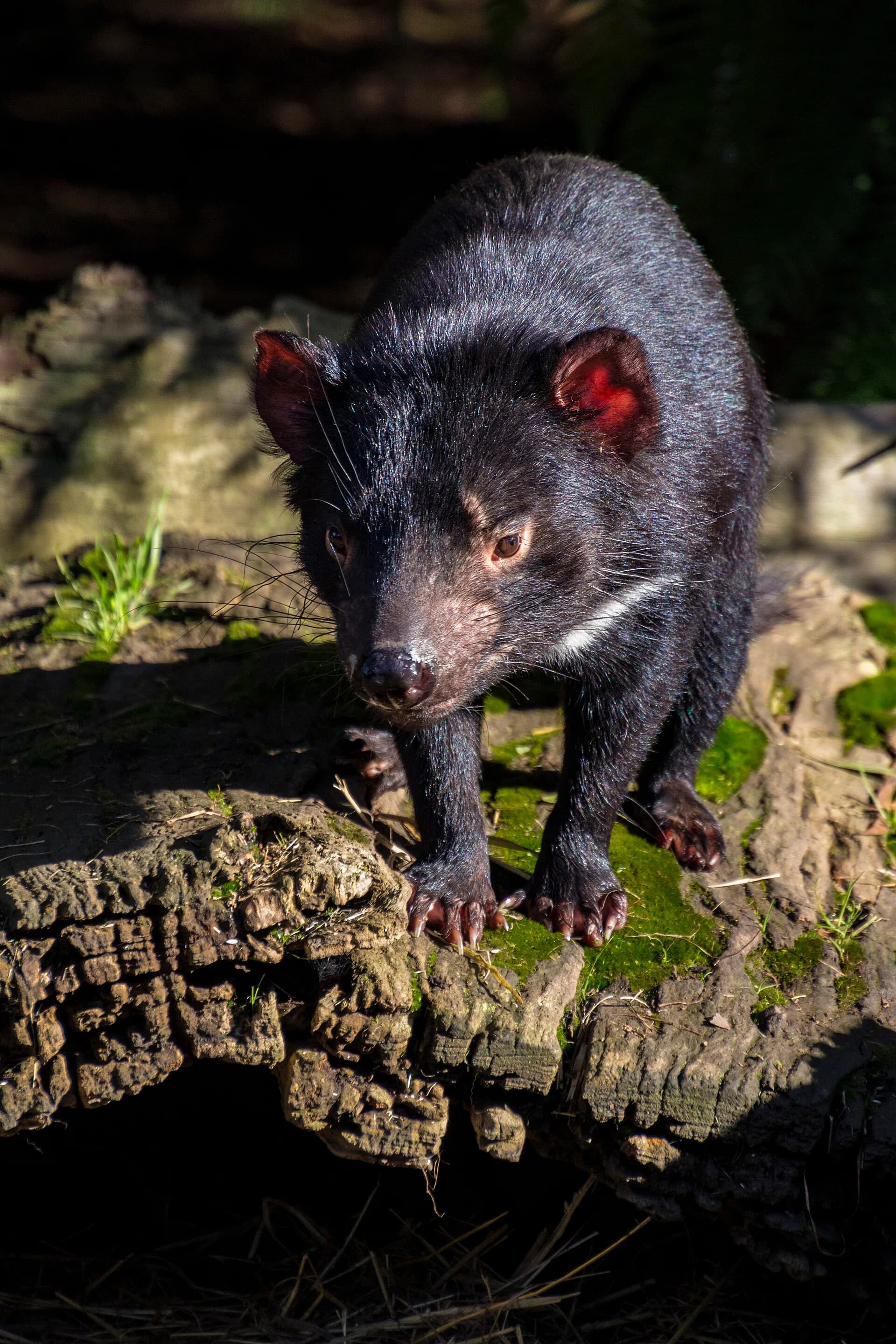
Tasmania supports distinctive mammals, birds, reptiles, frogs, fish and invertebrates across habitats from estuaries to alpine plateaus. Seeing wildlife is never guaranteed. Quiet observation at the right time is more useful than approaching, feeding or crowding an animal.
Dusk is productive and dangerous
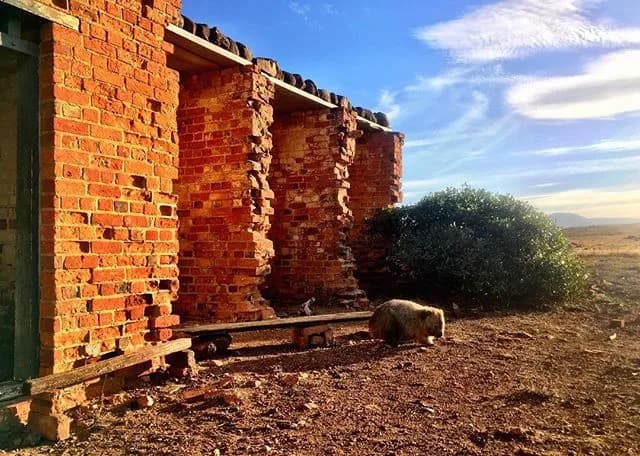
Wallabies, pademelons, wombats and possums often become active towards dusk. That also makes wildlife collision a serious risk. Slow down on rural roads, scan verges and let an animal move away before passing.

Devils need space
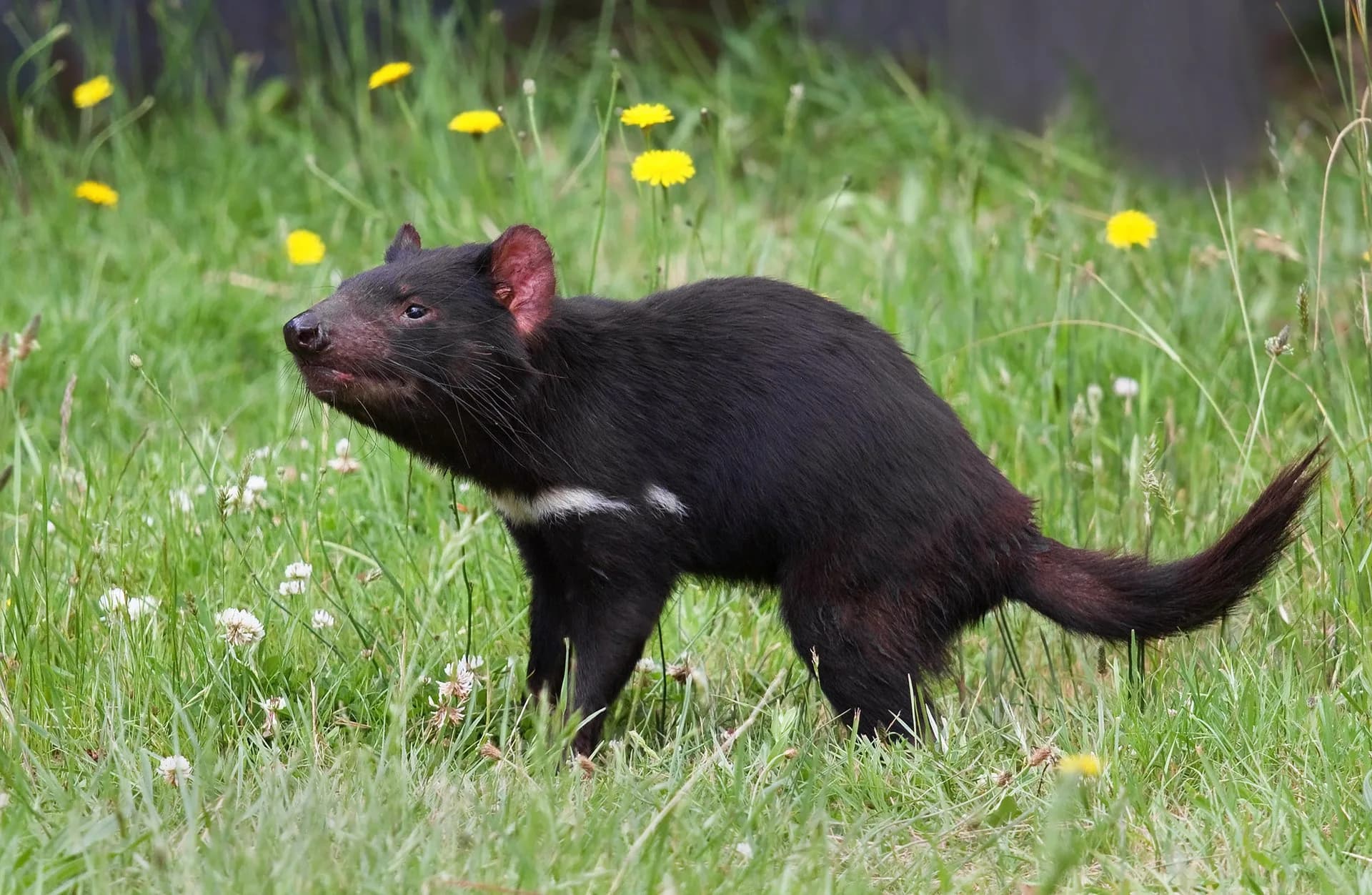
Tasmanian devils are mainly nocturnal and may feed on carrion. Never use food to draw a wild devil closer. Road-killed animals attract devils and eagles into traffic, so report injured wildlife and follow official advice rather than handling it without guidance.

Watch waterways patiently
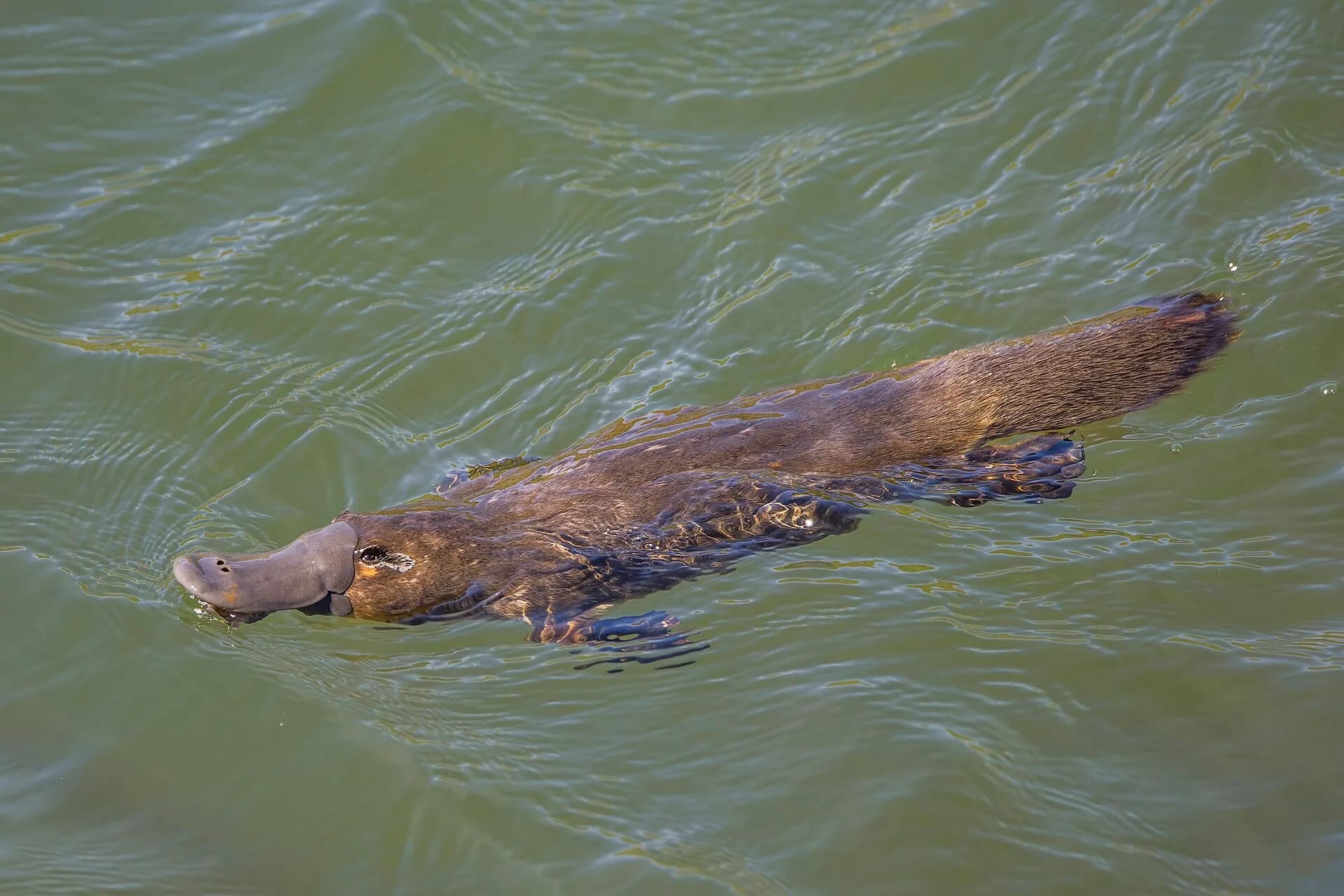
Platypuses can occur in rivers, lakes and farm dams. Look from a stable bank around dawn or dusk, remain still and avoid entering or disturbing a burrow area. Report animals with suspected disease or entanglement through the state wildlife service.
_Scottsdale.jpg)
Maria Island, the Launceston wildlife guide and North West Tasmania provide different habitats. Use a wildlife sanctuary when reliable close viewing matters, and check that it is permitted to hold and display native animals.