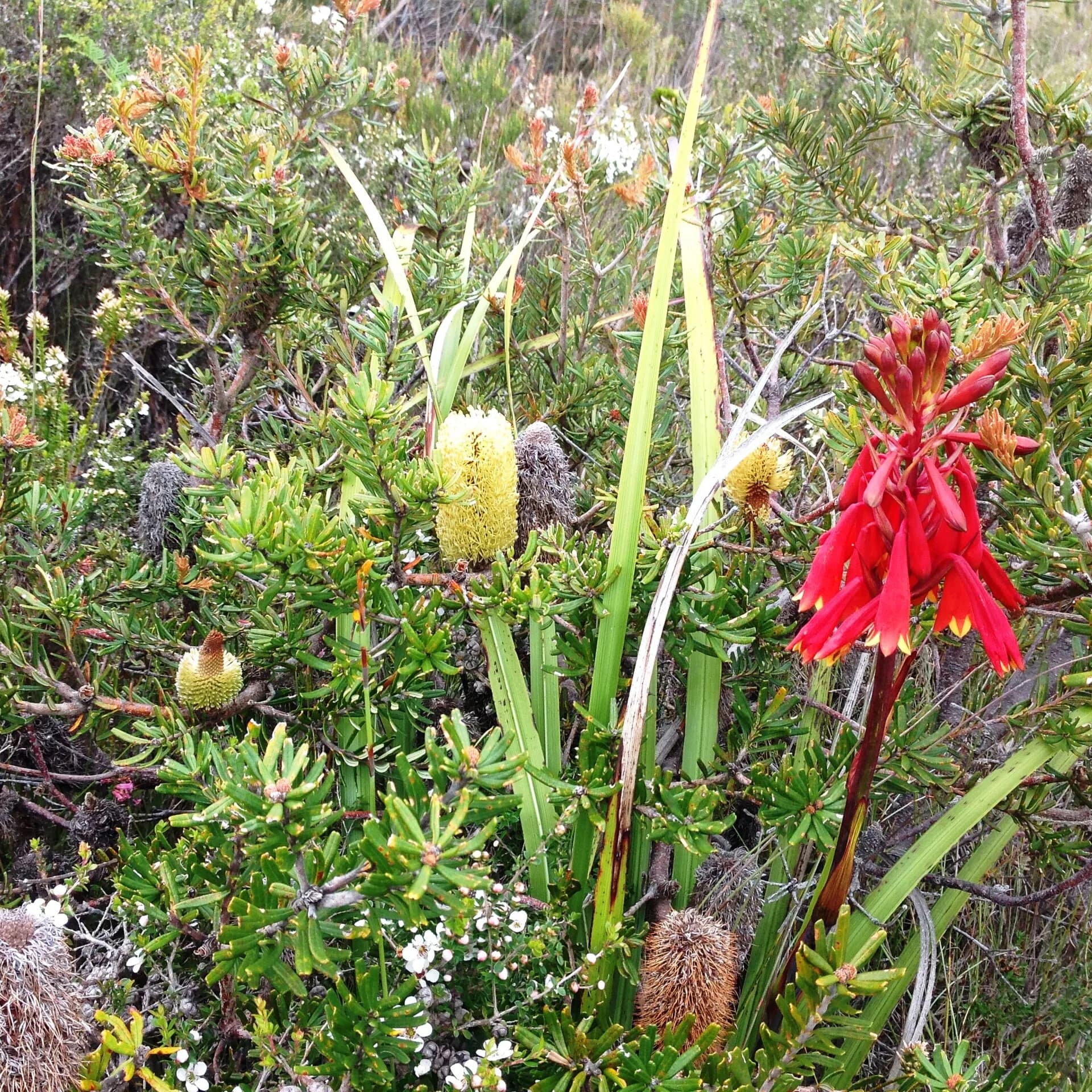

Tasmania’s wildflowers are spread through coastal heath, dry woodland, wet forest, button grass and alpine country. There is no single peak that applies everywhere. Elevation, rainfall, fire history and local weather shift flowering from one district to another.
Spring begins in the lowlands
Heaths, peas, wattles, orchids and ground flowers become conspicuous across many lowland reserves in spring. Stay on formed tracks and photograph plants where they grow. Picking or damaging native plants in reserves is prohibited without authority, and threatened species receive wider protection.

Alpine flowers arrive later
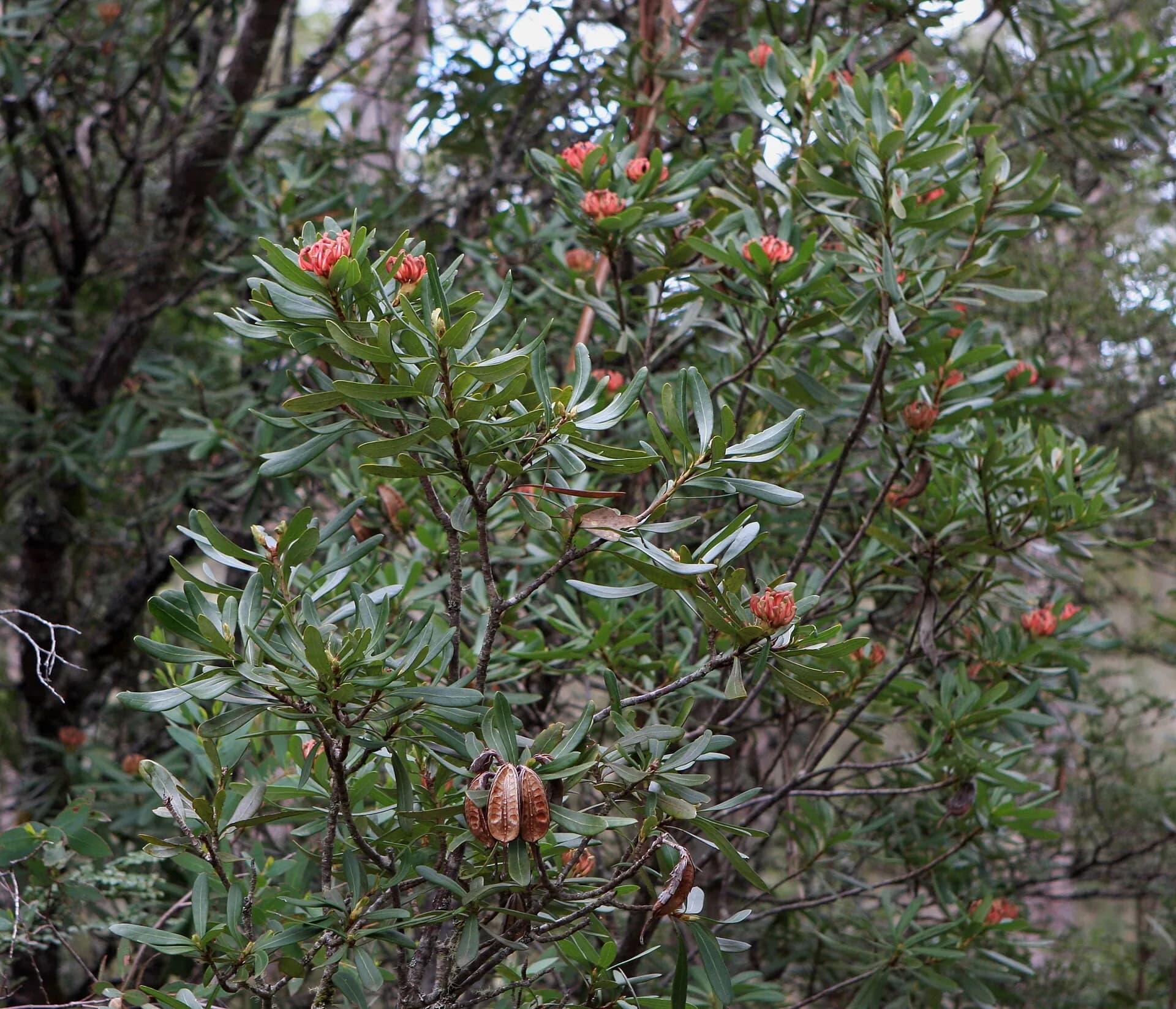
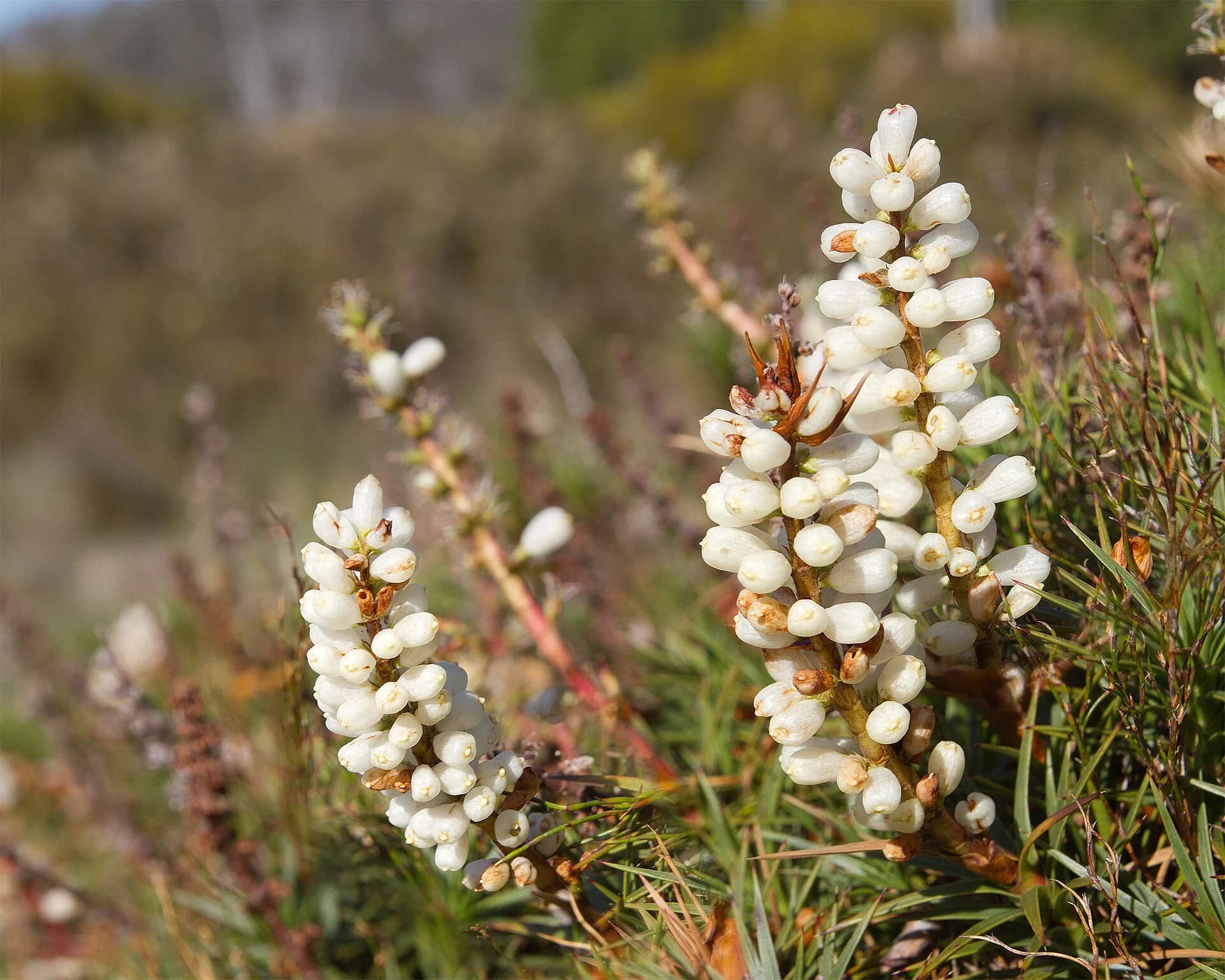
Waratah, scoparia and cushion plants flower through the warmer period in mountain country, with timing affected by snow and exposure. The same track can cross several plant communities within a short distance.
.jpg)

Clean gear protects plant communities
Soil carried on boots, tyres and equipment can spread pathogens and weeds. Clean and dry gear before changing reserves, use wash stations where supplied and avoid walking around mud by widening a track.
Tasmania’s mountains, lakes and Bruny Island each support different plant communities. Check the relevant park page for closures, biosecurity advice and seasonal conditions before setting out.