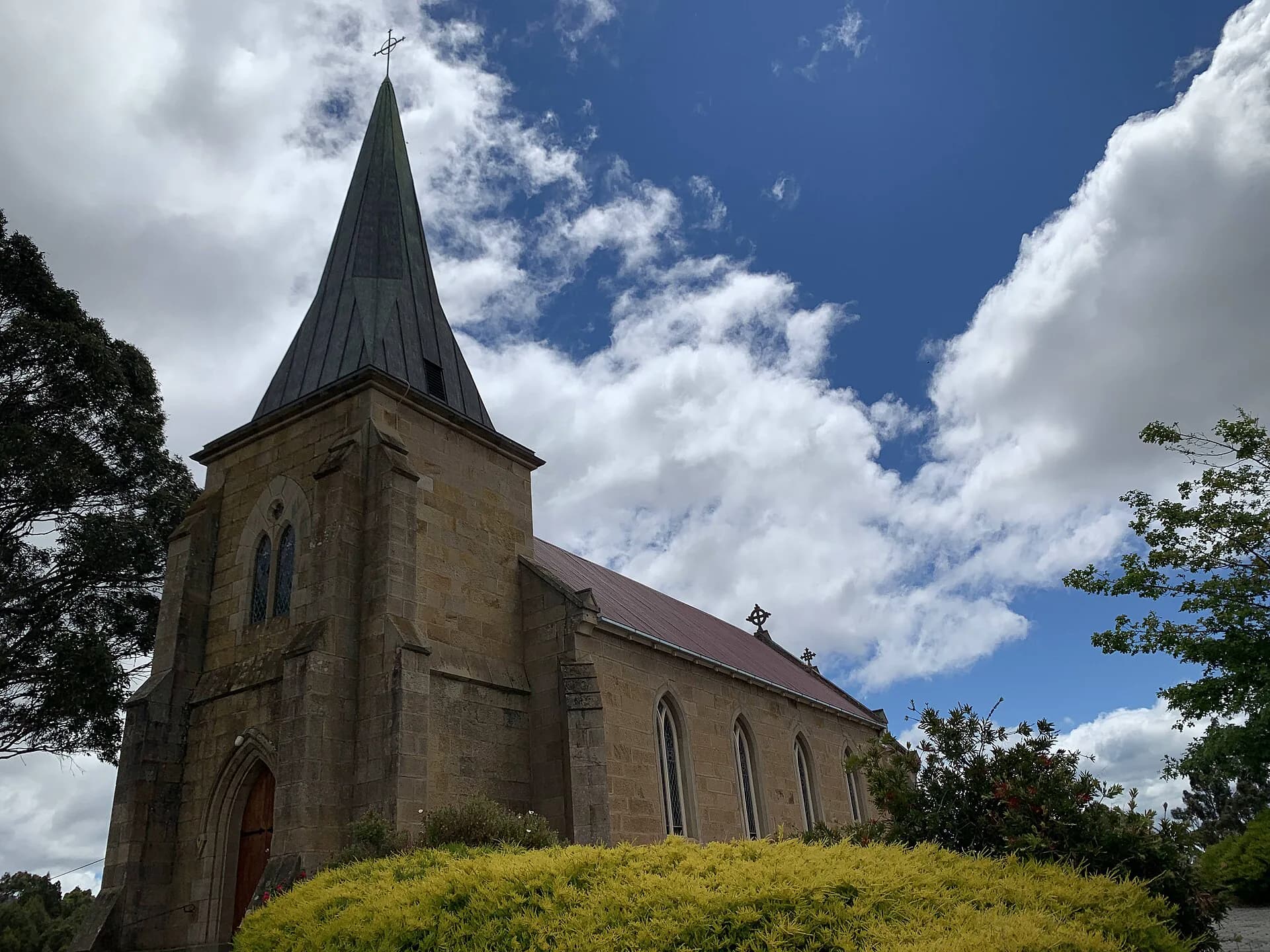

Historic churches are among Tasmania’s most visible early public buildings, but they are more than architectural styles. Congregations, denominational competition, migration, labour and changing community use all shaped them.
Georgian restraint and Gothic revival
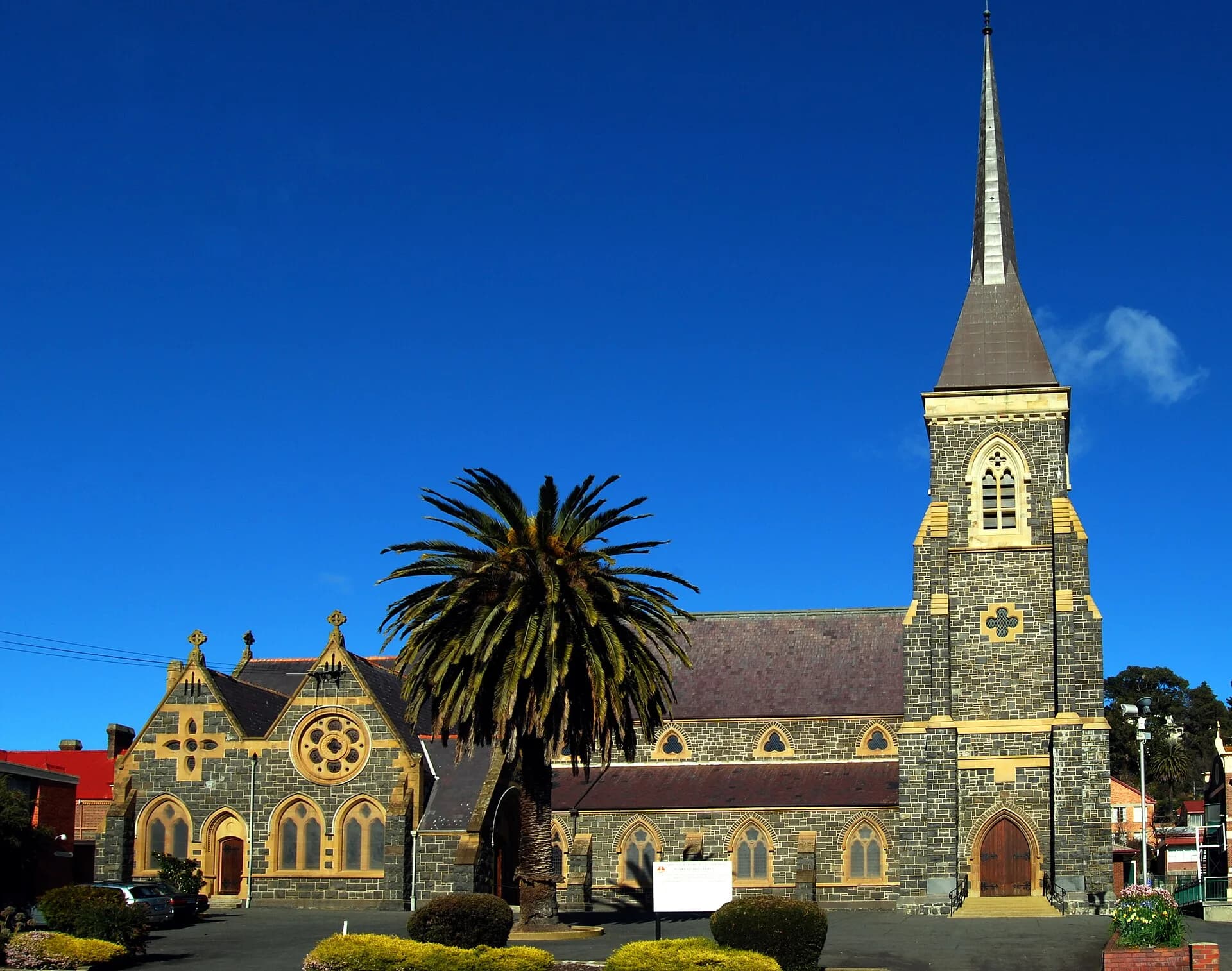
Early churches often used simple classical forms and local stone. Later Gothic revival buildings adopted pointed arches, towers, buttresses and stained glass. Design could express theology, status and confidence as much as practical need.

Rural churches tell local stories
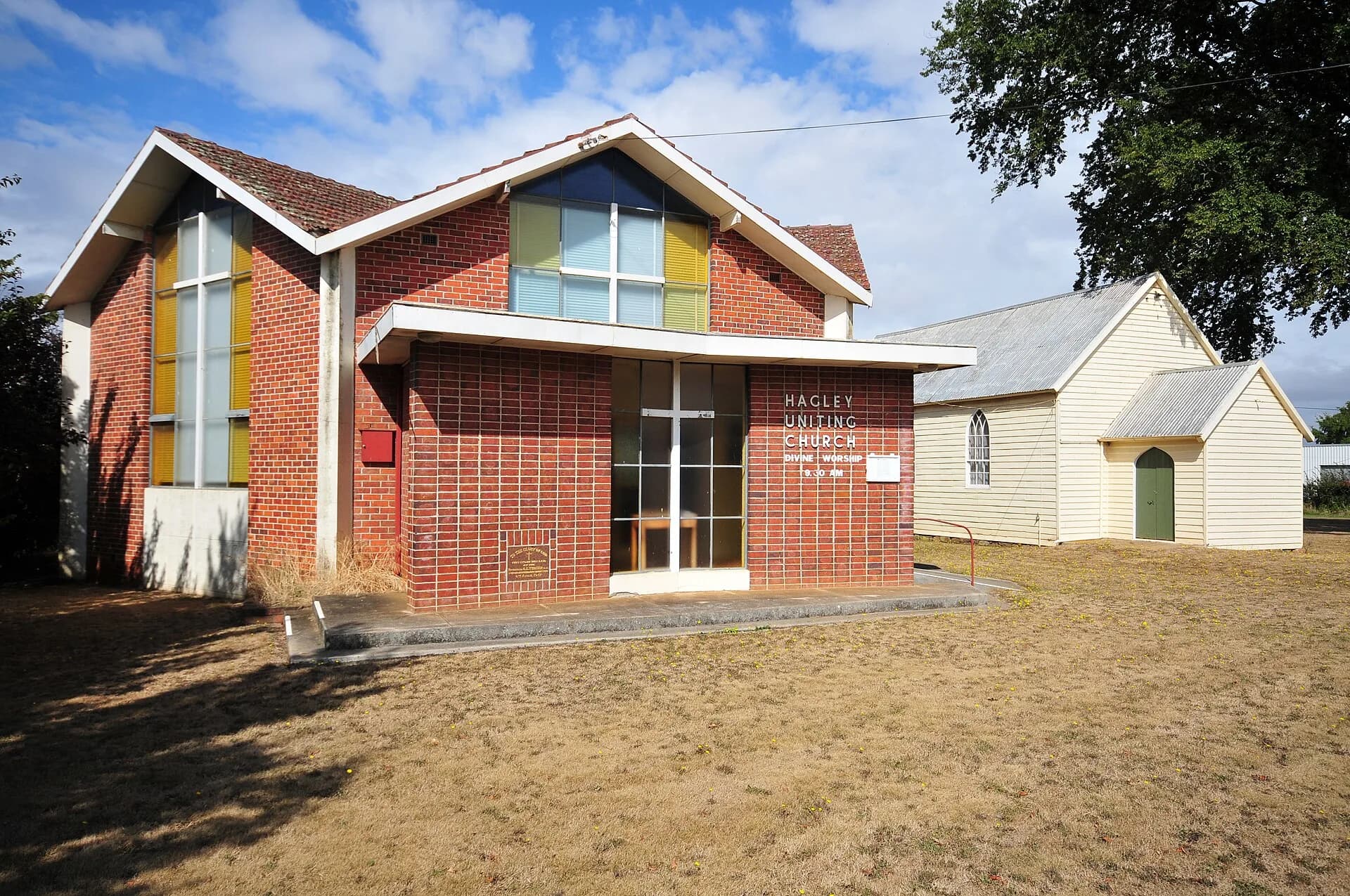
Small buildings at Bothwell, Hagley, Whitemore and other settlements served wide districts. Cemeteries, halls and plantings may be as informative as the church, but each has different ownership and access.

Active worship comes first
Heritage listing does not guarantee opening. Check with the congregation or owner, avoid services and private ceremonies, and ask before photographing people. Do not enter closed towers, roofs or grave enclosures.
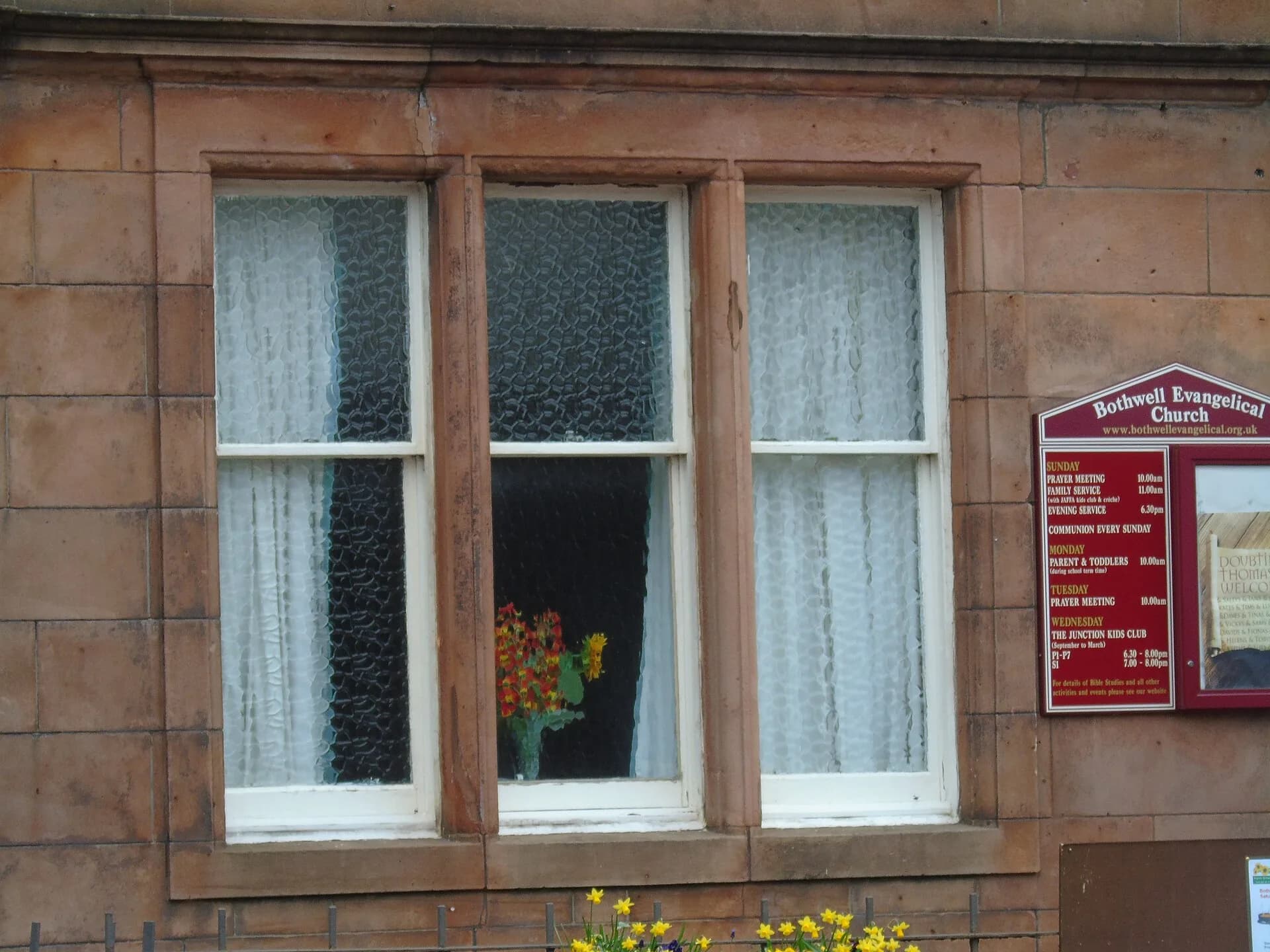

The Launceston churches guide provides a regional route. Richmond and Bothwell offer compact town examples.