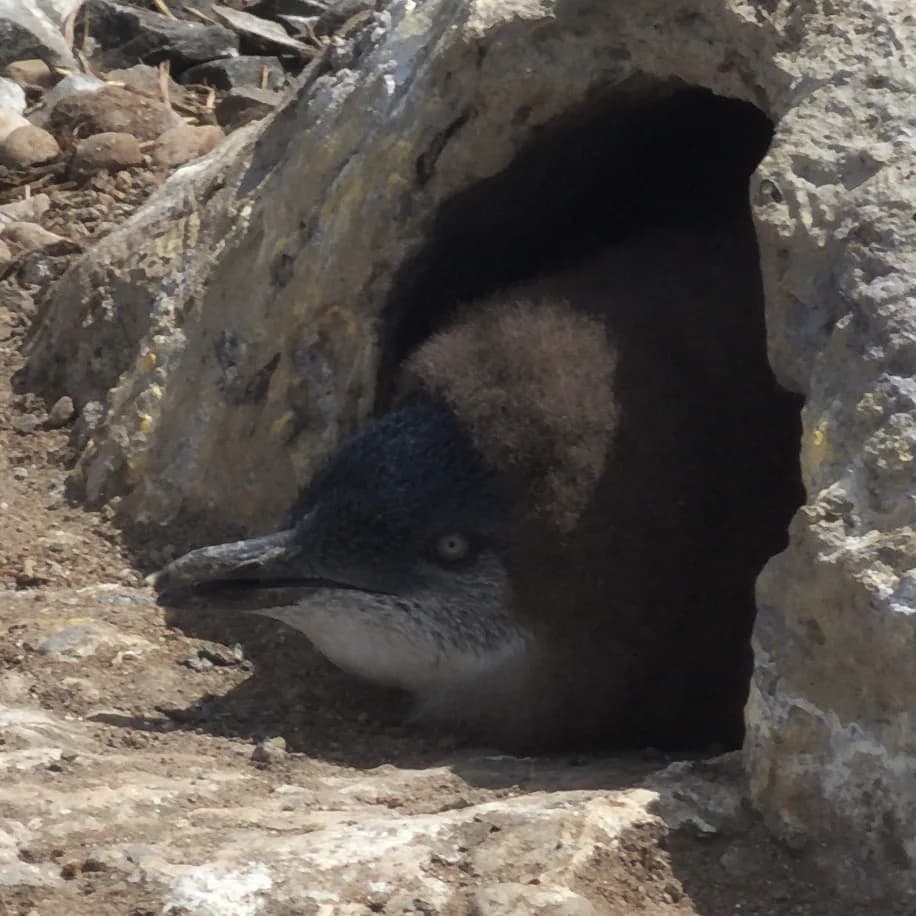

Little penguins nest along parts of Tasmania’s north-west coast and return from the sea after dark. Their presence does not make every colony a public attraction. Managed viewing protects burrows and gives visitors the best chance to watch without blocking the birds.
Use managed viewing areas
Follow local signs, guides and seasonal arrangements. Stay on platforms or paths and leave room between the water and burrows. Numbers and return times vary naturally.
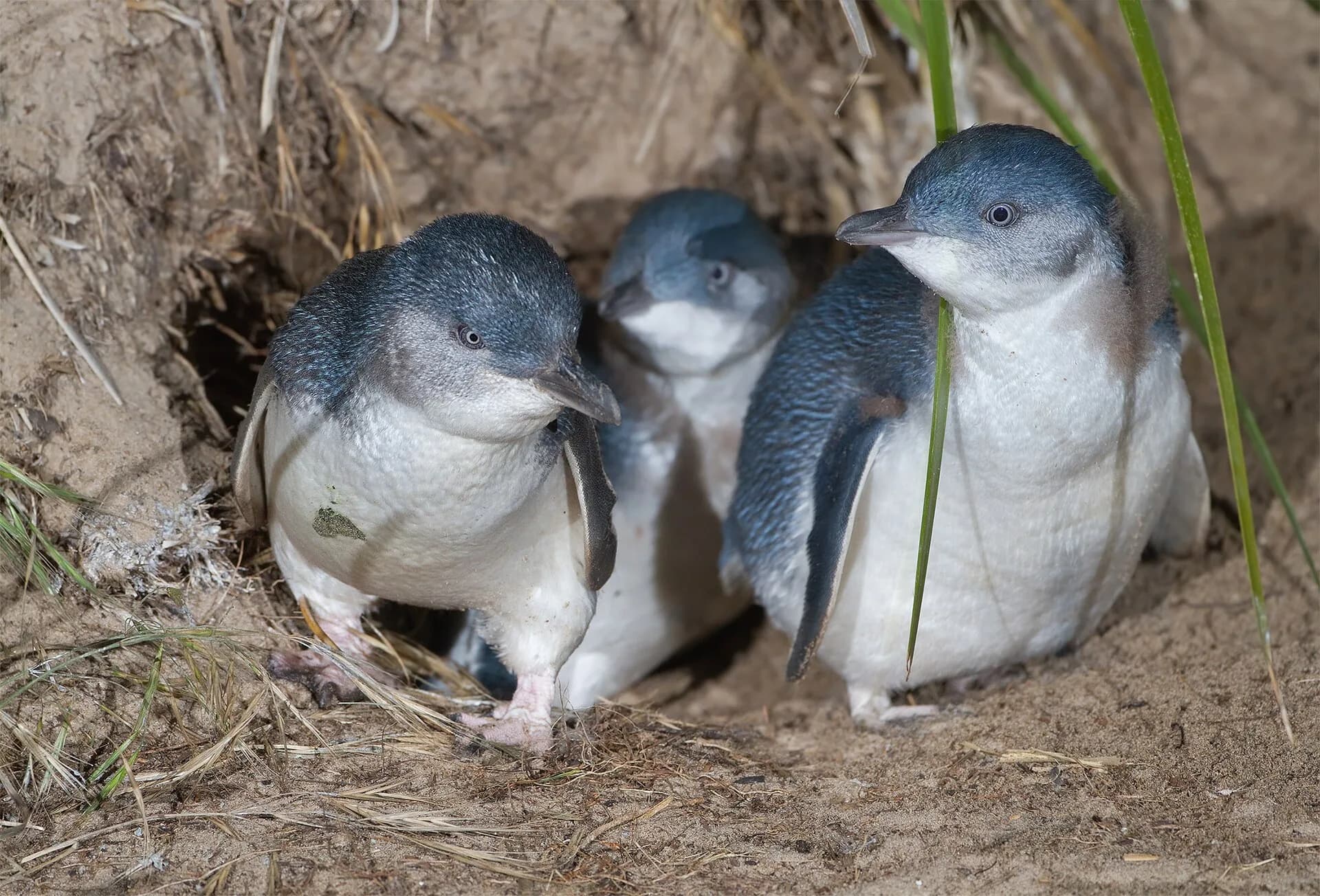

Keep light low and warm
Flash and bright white light can disturb penguins and impair their vision. Use only lighting permitted by the site. Silence phones, keep voices down and never touch a bird.
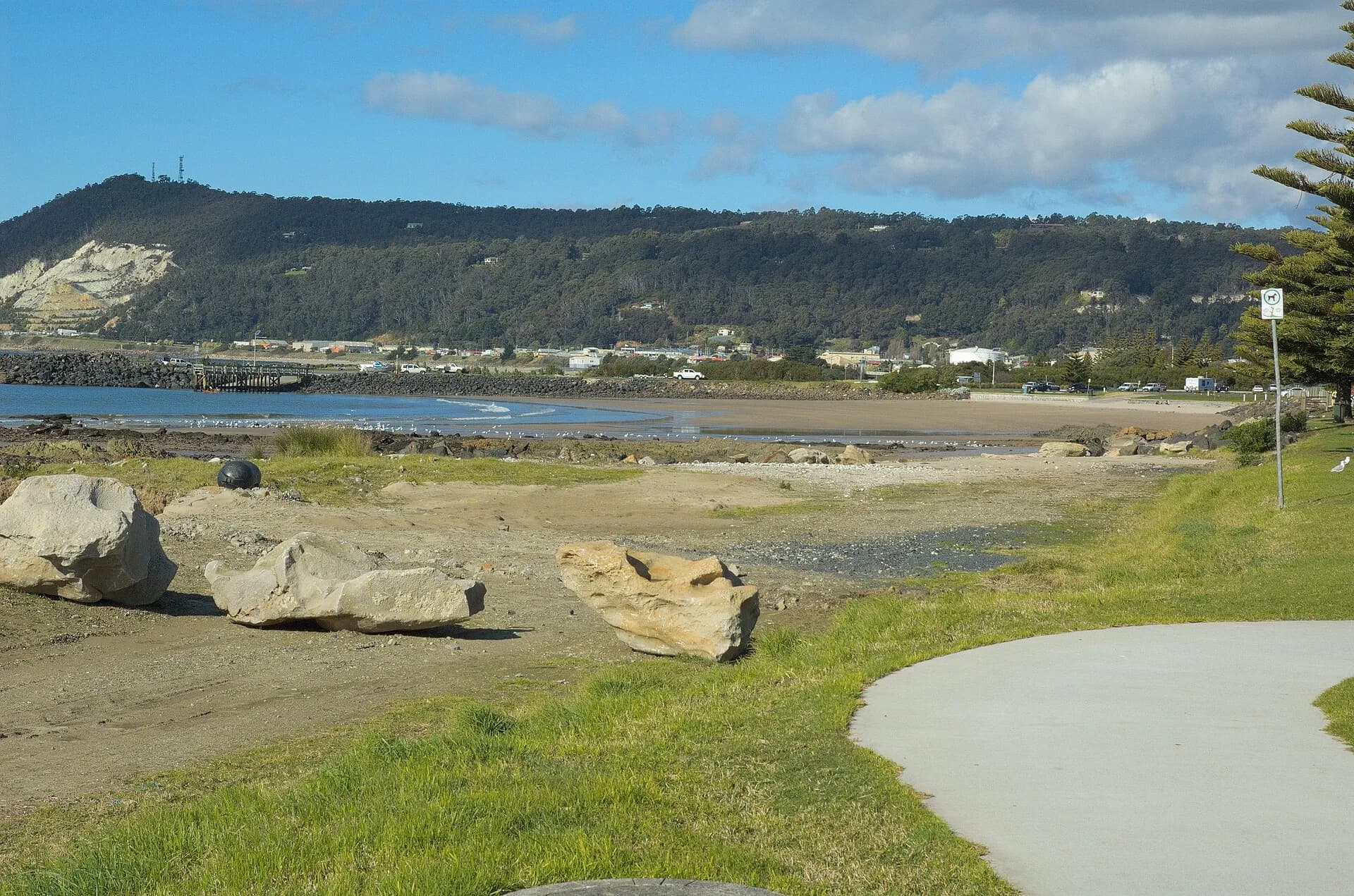

Dogs and traffic are serious threats
Keep dogs away from colonies and obey every exclusion zone. Drive slowly near the shore after dark and check beneath parked vehicles before moving.
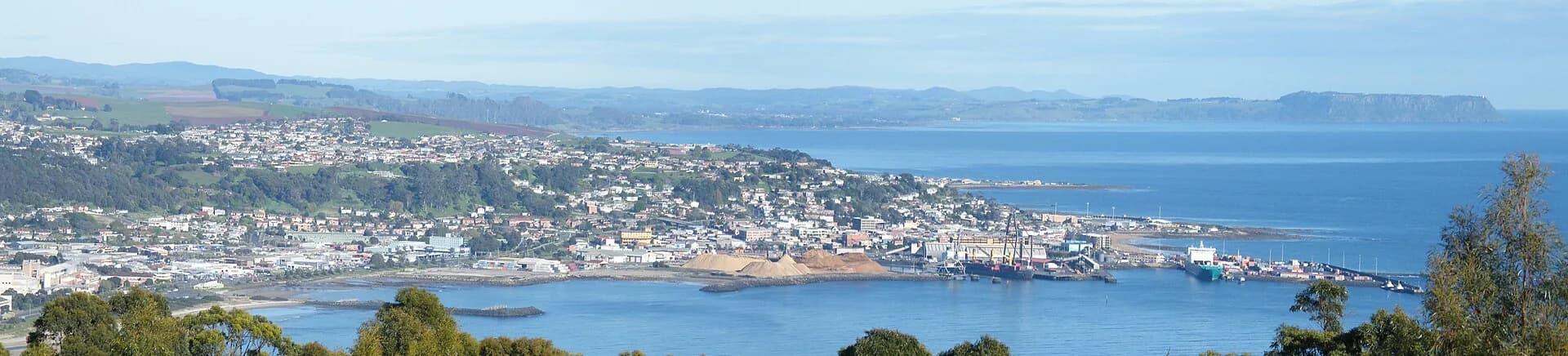

The Burnie shore guide gives urban-coast context. For general wildlife ethics, use the northern wildlife guide.