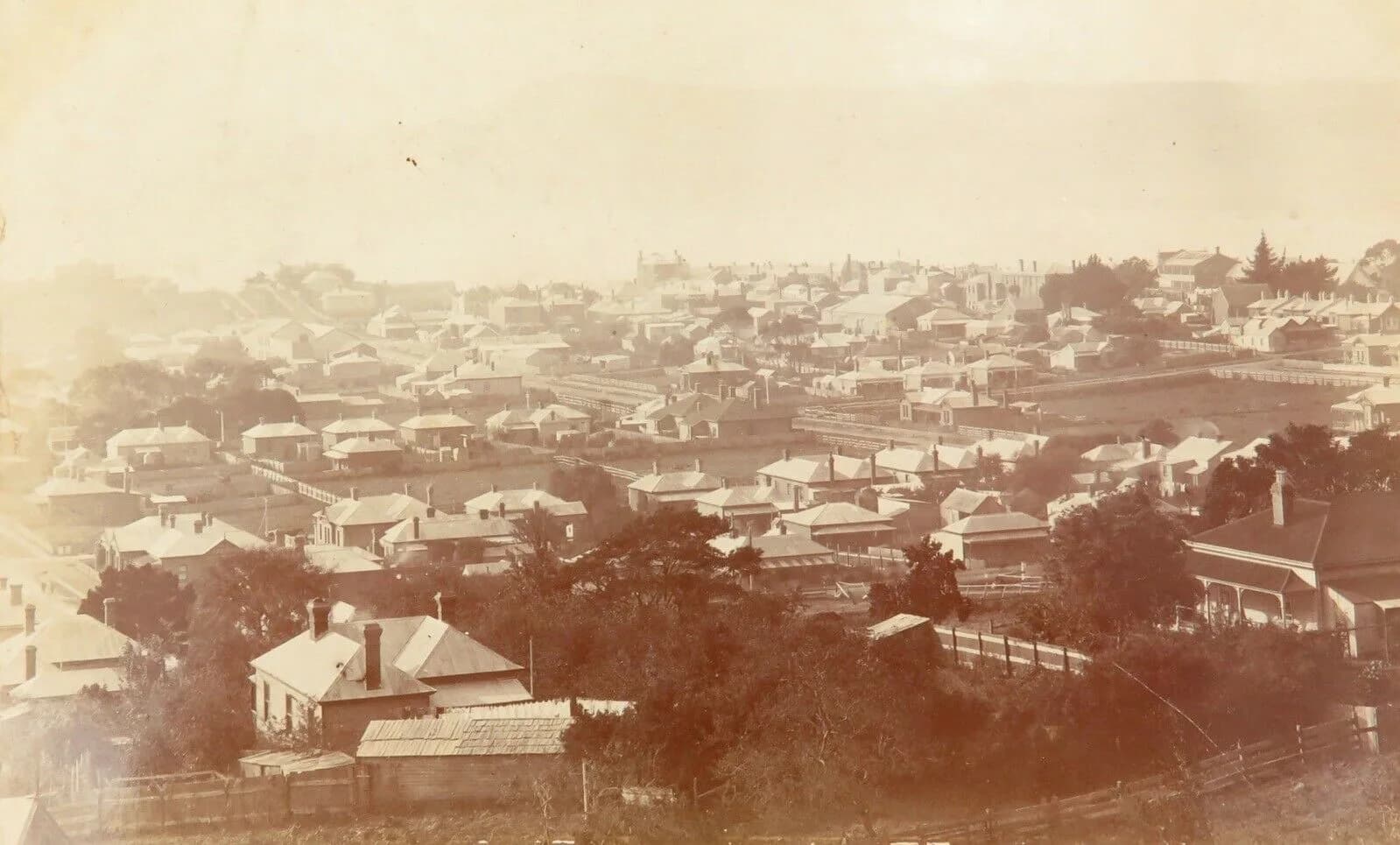

Burnie’s history is often told through companies, ports and factories. Those institutions mattered, but the city was made by Aboriginal people, Van Diemen’s Land Company workers, farmers, railway and wharf labourers, mill workers, migrants, shopkeepers and community organisers.
Company records show only one viewpoint
The Van Diemen’s Land Company documented surveys, tenants and production in detail. Its archive must be read alongside Aboriginal dispossession, workers’ lives and family records that did not enter boardroom correspondence.
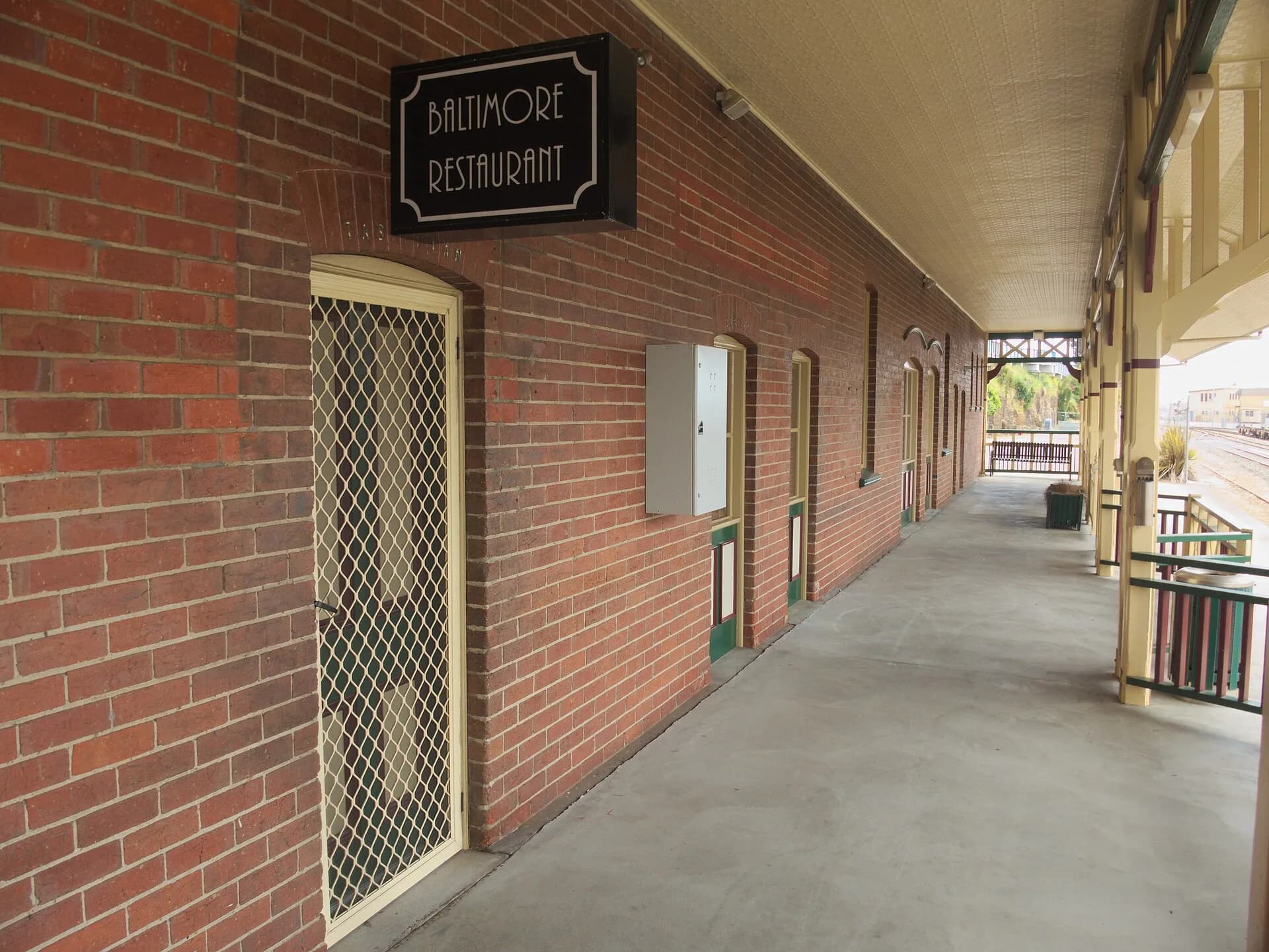

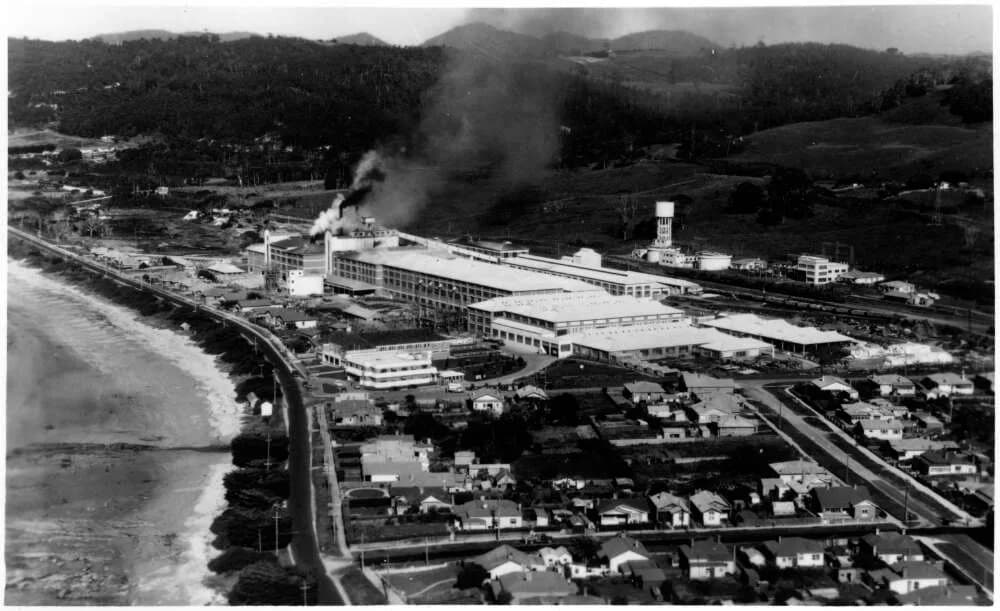
Industry changed households as well as skylines
Railways, port expansion and the pulp and paper mill drew workers and skills to Burnie. Shift work, unions, housing and migration shaped everyday life beyond factory gates.
_%E2%80%93_Winter%27s_Snappy_Service.jpg)
Local collections preserve ordinary lives
Photographs, oral histories, newspapers and cemetery records can reconnect names with places. Record what is known, distinguish memory from documentary evidence and seek permission for private family material.
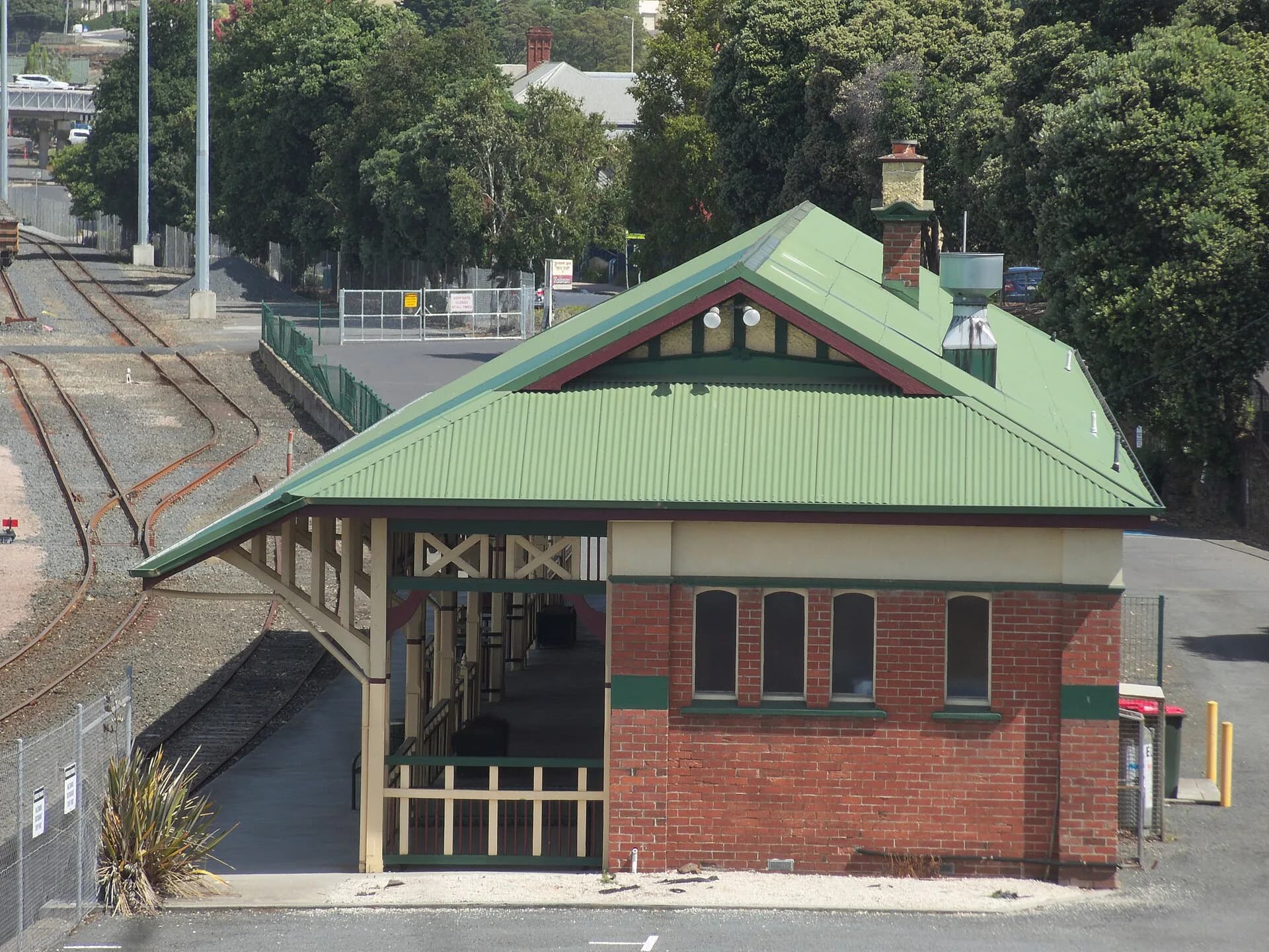

Begin with Burnie’s history and suburbs, then follow the railway history and birth of the city.