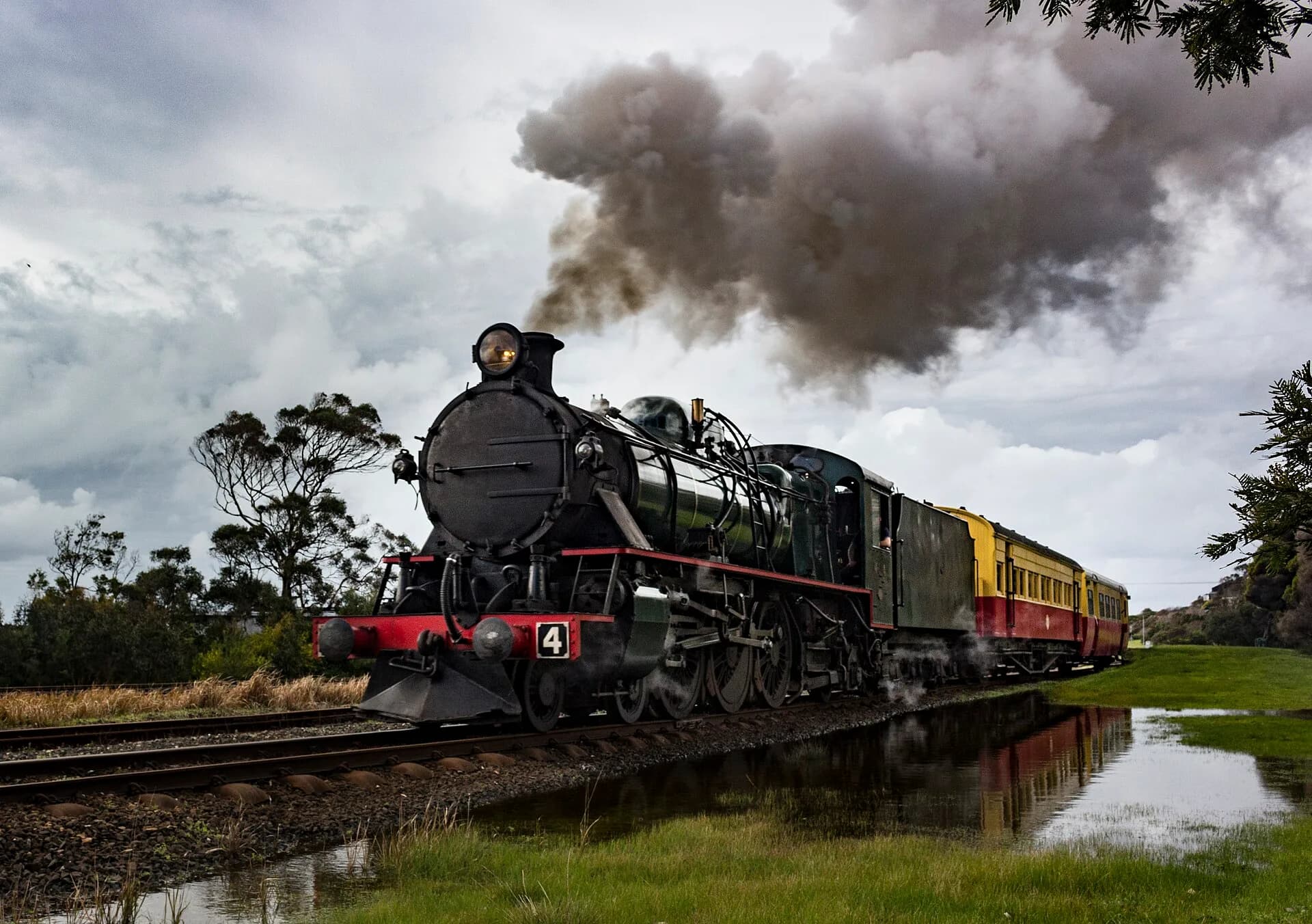

Bott Gorge lies near Acacia Hills in the Don River catchment. It is remembered because coal discovered there in 1851 helped trigger intensive prospecting around the Mersey and Don districts. The historical mine is not a developed visitor site, and current public access should not be assumed.
Coal drew investment before the geology was understood
Contemporary reports brought attention to coal outcrops near the Don River. A company acquired land, installed machinery and sank shafts in the hope of establishing a major field. Mineral Resources Tasmania’s geological history records the start of mining in the Bott Gorge area and its end in 1857 after substantial expenditure.

The mine connected inland work with the Mersey
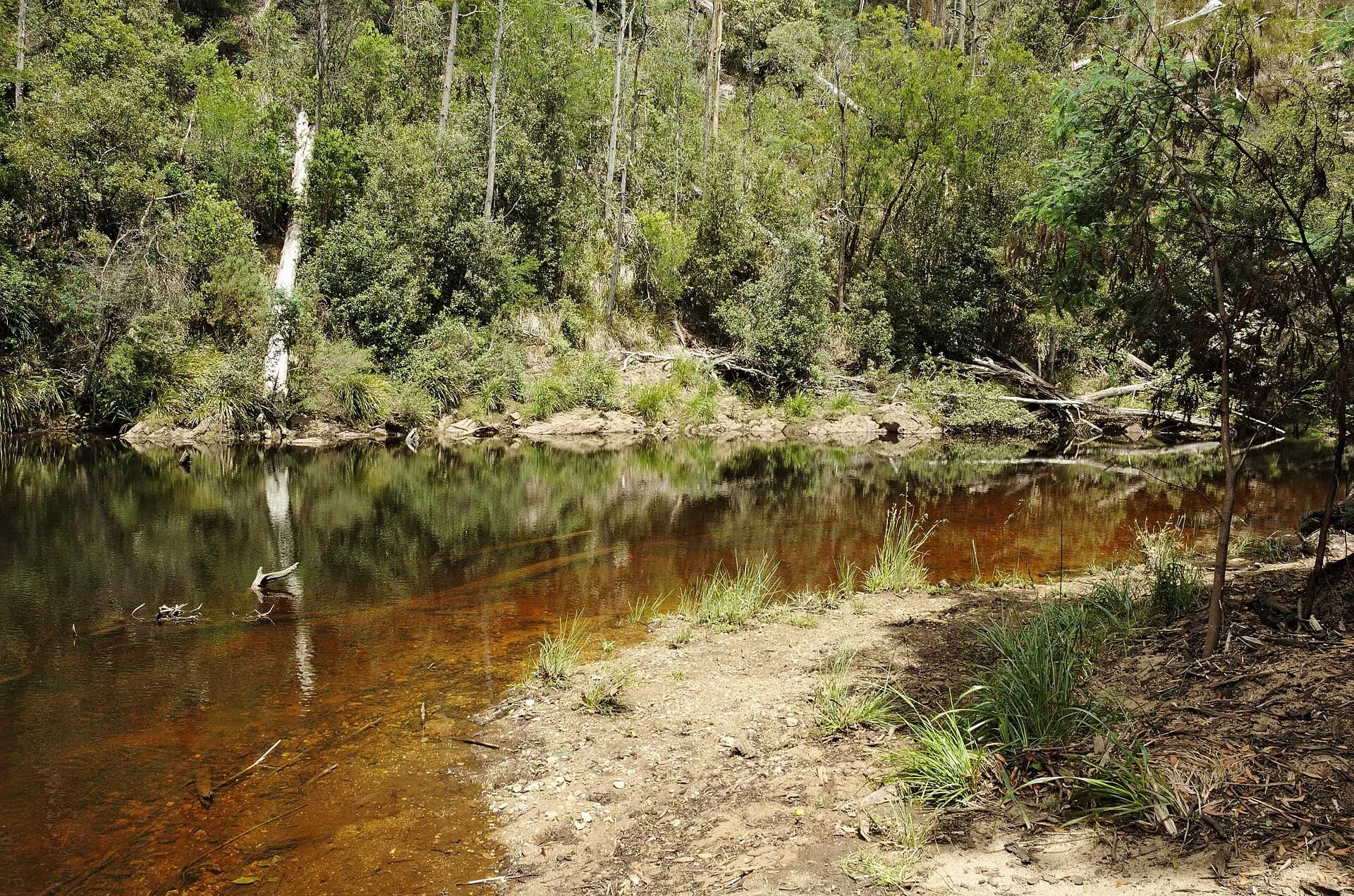
Coal and timber ventures encouraged roads, tramways, jetties and settlement between the Don district and the Mersey estuary. The mine itself failed to become a lasting producer because seams were narrow, faulted and difficult to work. Other small collieries opened across the wider field, often with similarly brief lives.

What survives is mainly a documentary landscape
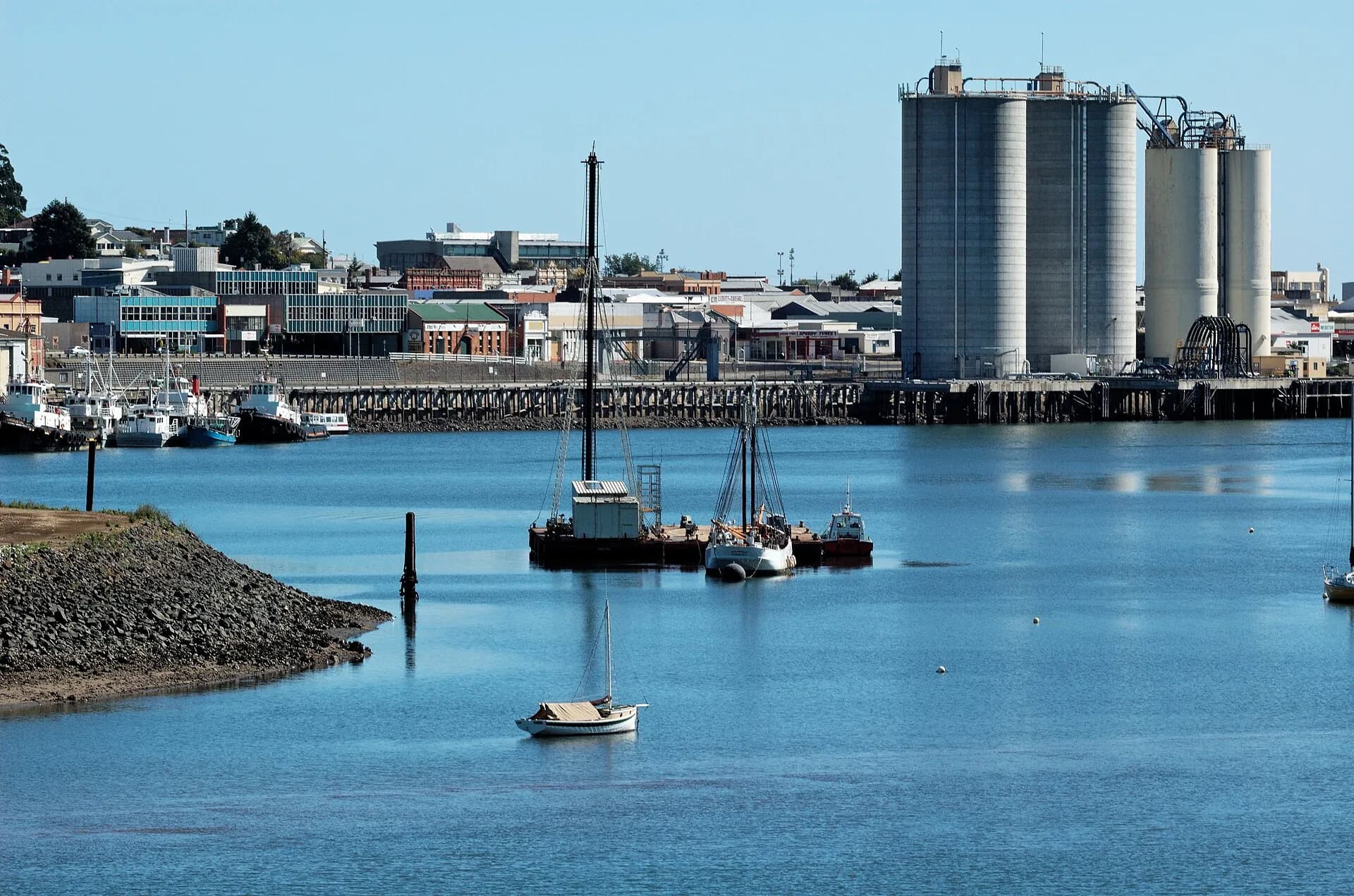
Old geological maps, government reports and newspaper records are more reliable guides than visible ruins. Later proposals examined the gorge as a possible water-storage site, but did not turn it into a public reserve. Vegetation, private property and old workings make casual exploration inappropriate.
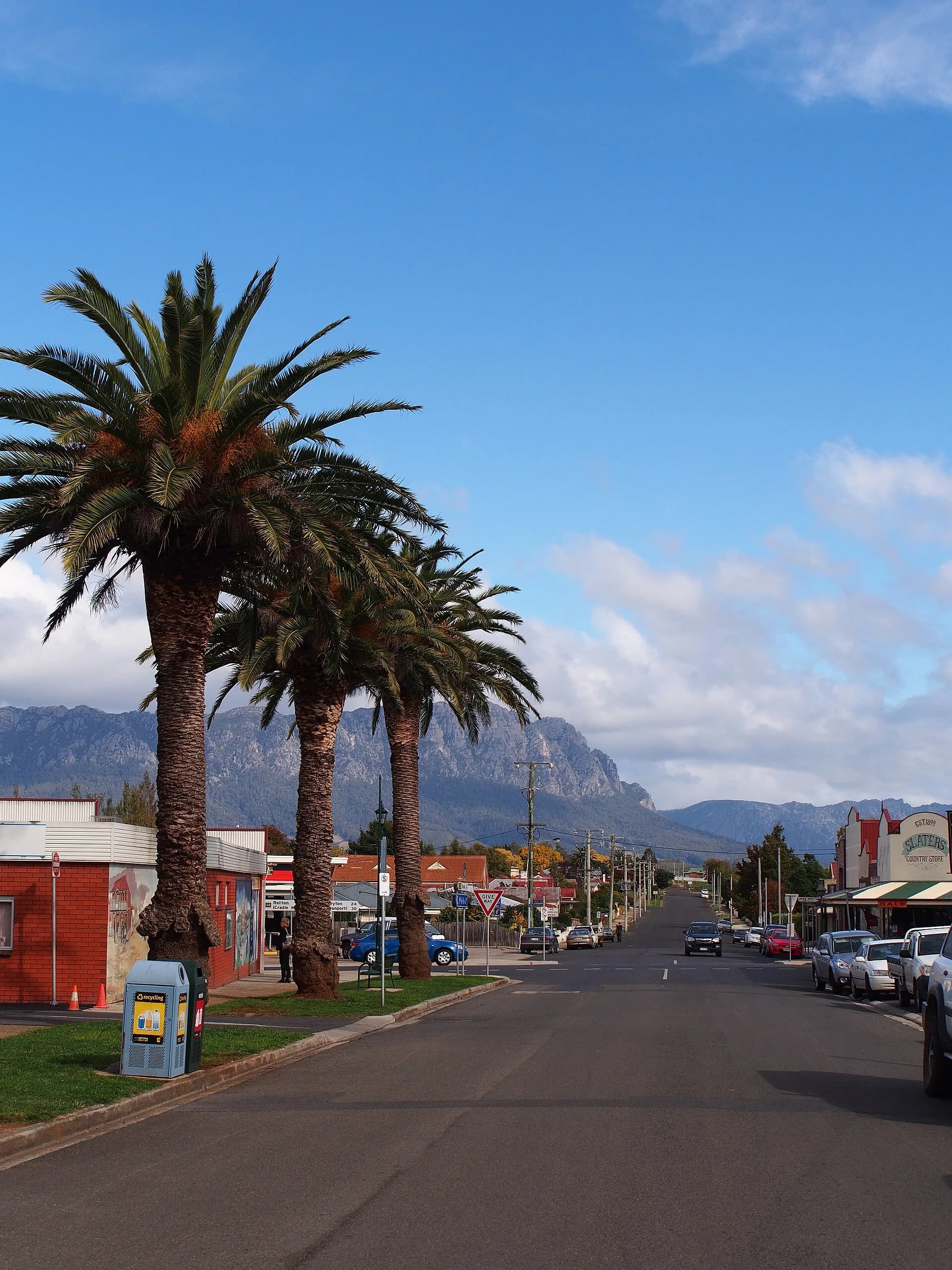

The place-name has also been linked to Henry Bott, a former convict who lived in the district, but the naming evidence is not conclusive enough to state that as settled fact. Research the locality through Mineral Resources Tasmania and Libraries Tasmania before making a field visit. Nearby public destinations include Devonport, Sheffield and the Devonport history.