

James Monaghan Dooley was an Irish-born surveyor who arrived in Van Diemen’s Land in 1855. As government surveyor for the Devon district, and later as East Devon’s representative in the House of Assembly, he influenced the colonial development of north-west Tasmania.
Surveying converted Country into property
Dooley worked across a large district from the mid-1850s until resigning his government post in 1869. His plans helped define towns, roads and rural allotments around the Forth, Mersey and Kentish districts. These surveys supported settlement on Aboriginal Country and must be read within that dispossession, not only as feats of endurance.
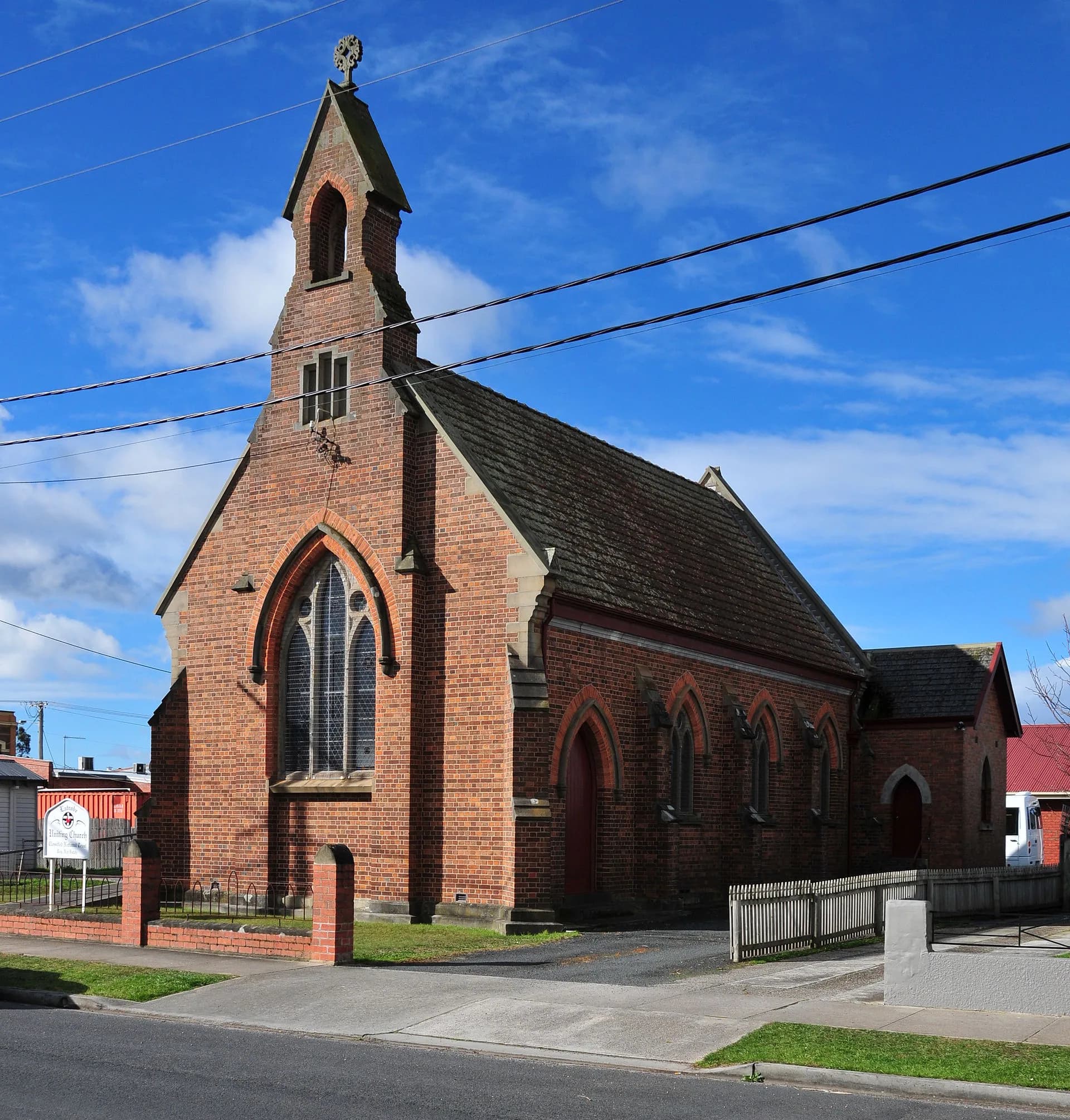

Latrobe became his home and professional base
Dooley moved to Latrobe around 1870 and continued as a private surveyor and valuer. He was involved in local institutions, transport proposals and landholding. Surviving plans in Tasmanian archives provide firmer evidence than later anecdotes.


East Devon elected him for nineteen years
Dooley entered the House of Assembly in October 1872 and represented East Devon until his death in February 1891. Parliament’s biographical register records both his surveying career and uninterrupted service to the electorate.
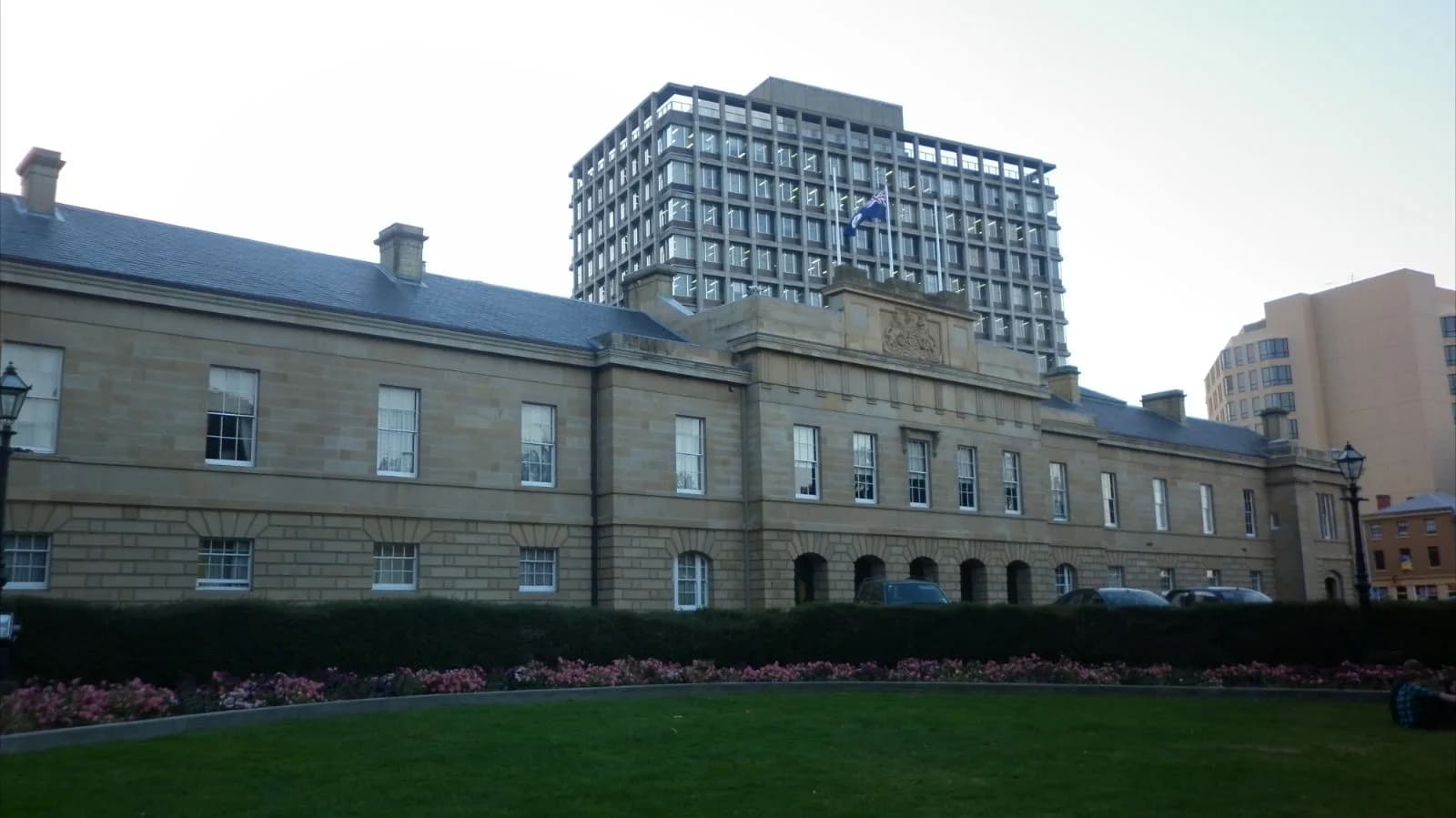

His career connects the history of north-west Tasmania, Latrobe and Forth.