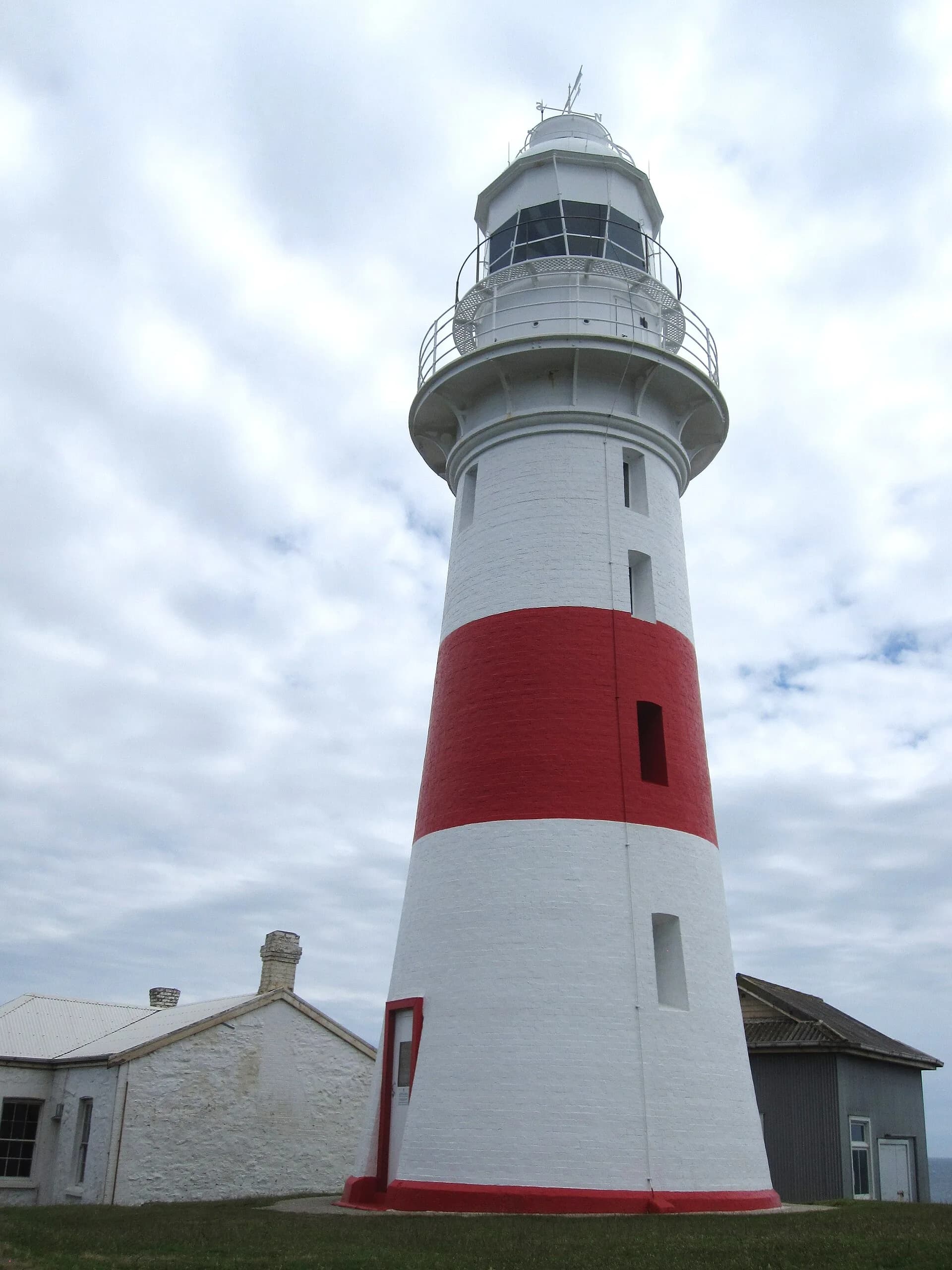

Hugh Piper was a young officer of the New South Wales Corps when he joined Lieutenant-Colonel William Paterson’s expedition to establish a British settlement at Port Dalrymple in 1804. He should not be confused with his older brother John Piper, the better-known colonial officer and landowner.
The settlement began at Outer Cove
Paterson’s party reached the Tamar in November 1804 and first established a camp at Outer Cove, later called York Town. The site was part of a strategic British response to French exploration and became a base for surveying the river and surrounding country.
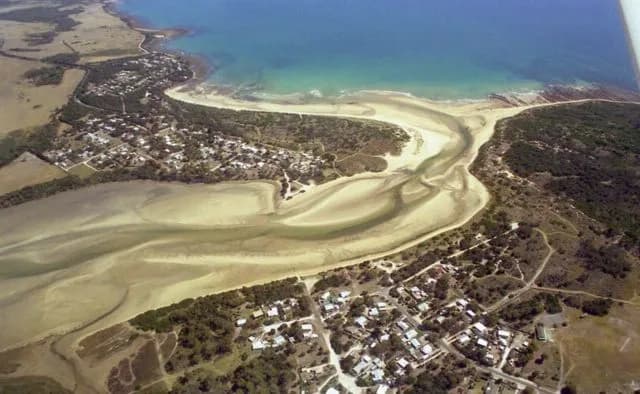

Piper travelled north-east from the Tamar
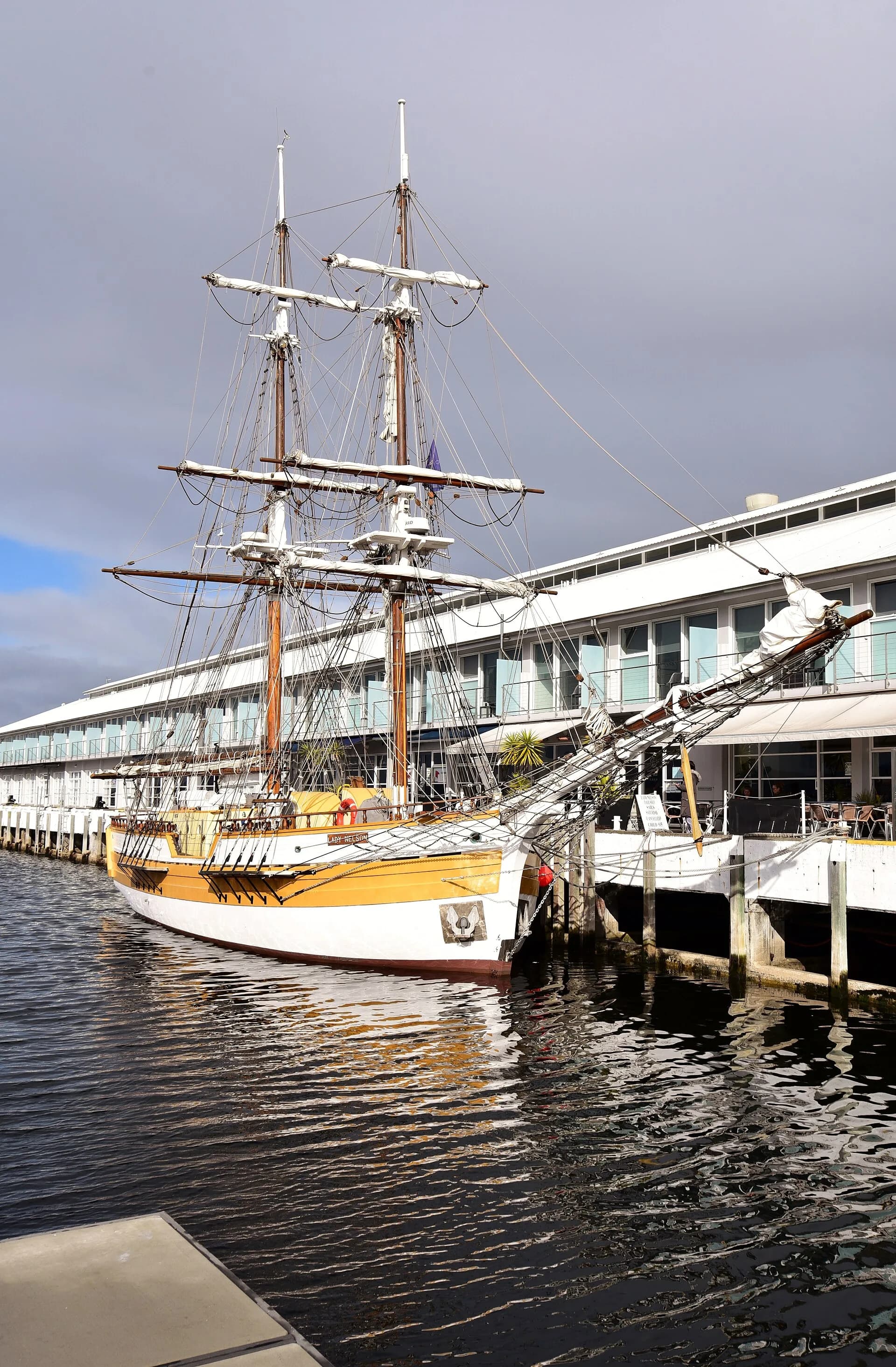
On 28 November, Paterson embarked in Lady Nelson with Piper, surveyor Jacob Mountgarrett, soldiers and crew. The party examined country east and north-east of the river. Colonial maps subsequently applied Piper’s name to Pipers River, Pipers Brook and nearby coastal features.
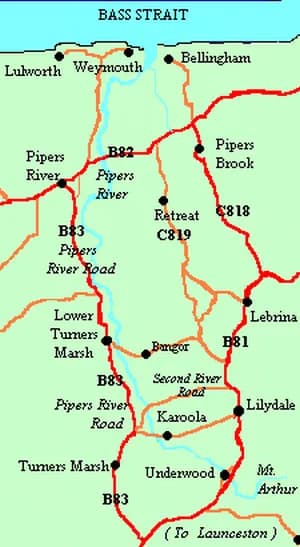

Those names record a brief military survey, not the beginning of human knowledge in the district. The expedition moved through Aboriginal Country during the opening phase of a settlement that would bring dispossession and violence across northern Tasmania.
His later career was mostly elsewhere
Piper served in the British Army in New South Wales and overseas, rising through the ranks before retiring. Tasmania’s connection to him rests chiefly on the 1804 expedition and the place names it produced, rather than a long local life.
.jpg)
Read this story beside the history of Launceston, George Town and the place names of northern and eastern Tasmania.