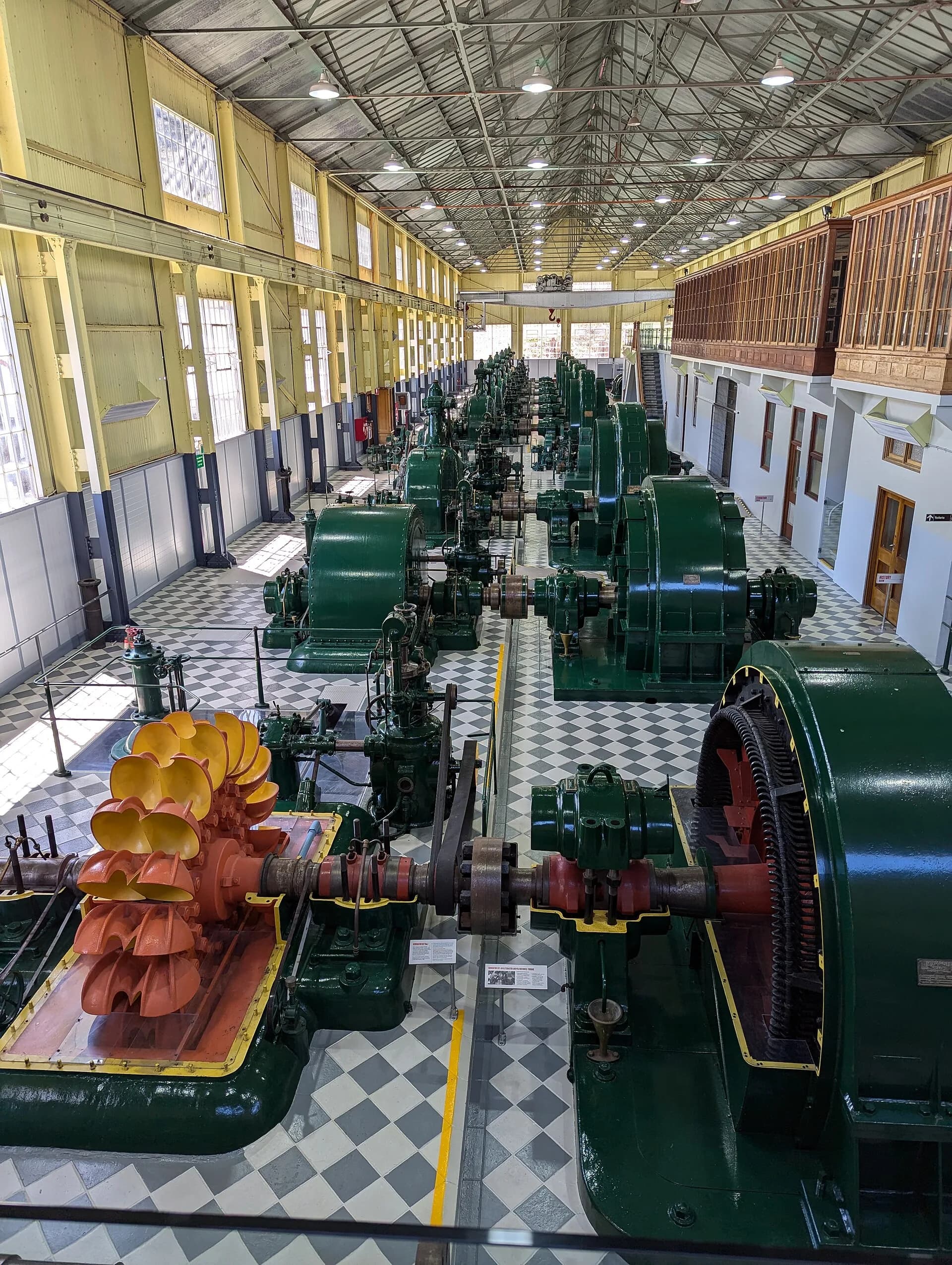

Waddamana Power Station Heritage Site preserves the machinery and buildings of Tasmania’s first public hydro-electric station. Its remote Central Highlands setting makes the journey part of the story: the project had to bring water, equipment and workers into a district far from established industry.
From private venture to public scheme
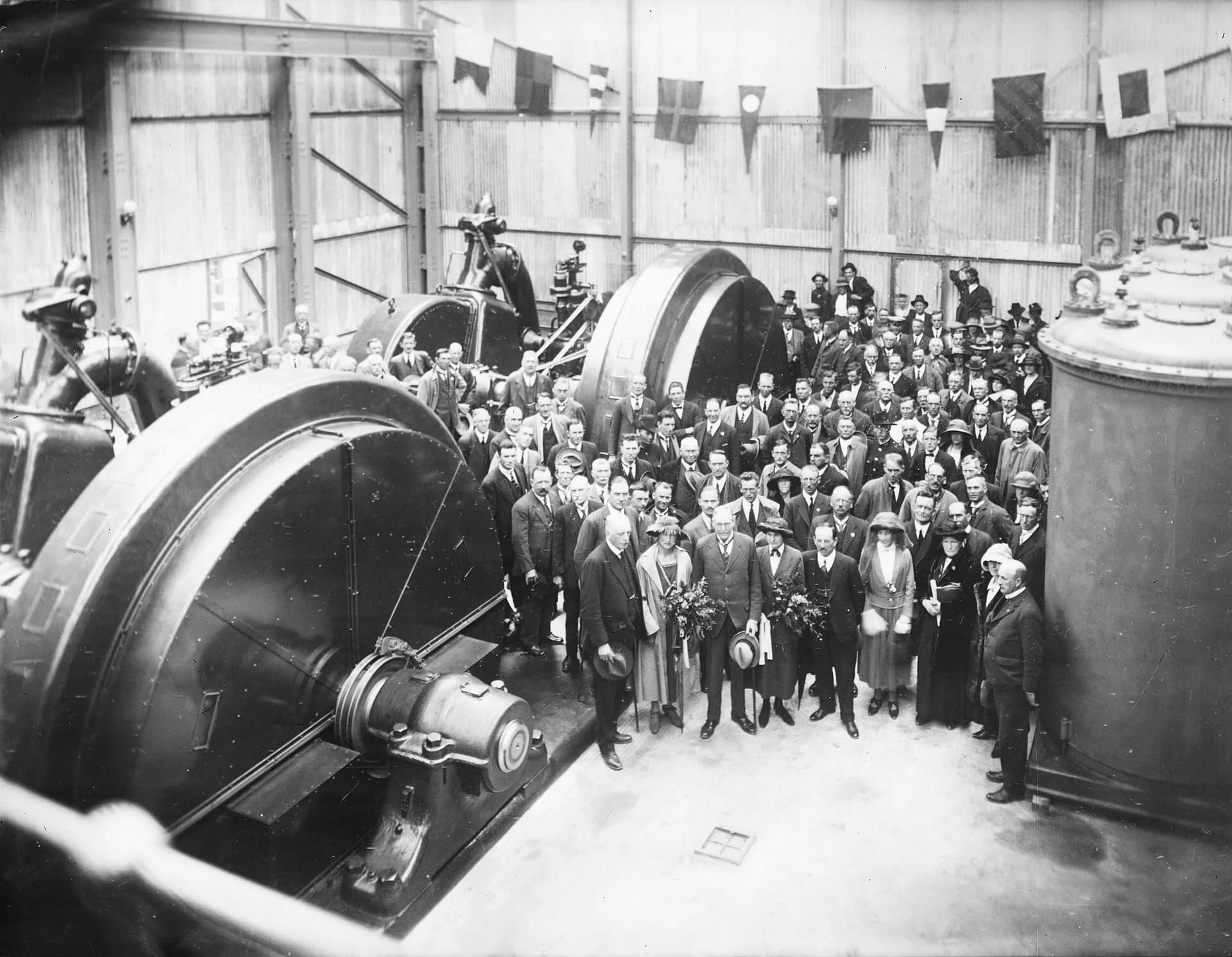
Work on a Great Lake power scheme began as a private enterprise in 1910. The Tasmanian Government took control in 1914, and Waddamana A began generating in 1916. The official opening on 6 May that year marked the start of a public hydro-electric system that would reshape industry, households and settlement across Tasmania.
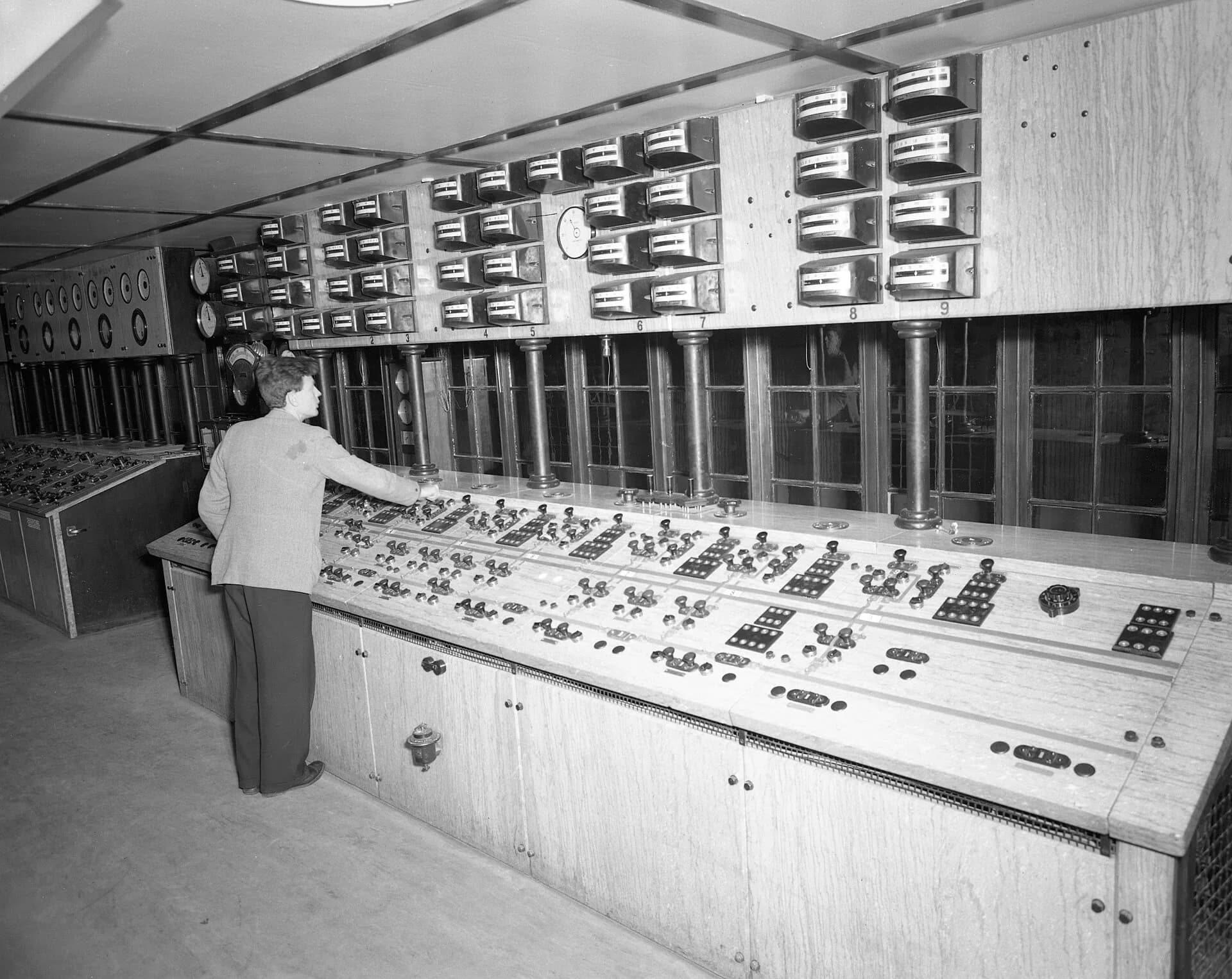
The machinery hall makes that transition tangible. Turbines, generators, control equipment and workshop tools remain in place rather than being represented only by photographs.
_(14483429041).jpg)
Two stations, several generations of workers
Waddamana B was built beside the earlier station as demand grew. The site also carries the history of the people who constructed, operated and maintained the system, including migrant workers who joined Hydro after the Second World War.
Interpretation at the site explains the Great Lake scheme and the wider network. For the later chapter, connect Waddamana with Tarraleah and the highland lakes around the Central Plateau.
_(14300367947).jpg)
Before you make the remote drive
Waddamana is not on a main highway. Roads can be unsealed, narrow, icy or affected by weather, and there are no dependable town services at the heritage site. Check Hydro Tasmania’s current opening information and road advice before departure. Carry drinking water, food, warm clothing and enough fuel for the return journey.
The buildings and machinery are heritage fabric. Follow barriers and instructions, supervise children around industrial equipment and leave sufficient time to return in daylight. A visit is most useful when it is planned as a focused half-day journey rather than a quick diversion.