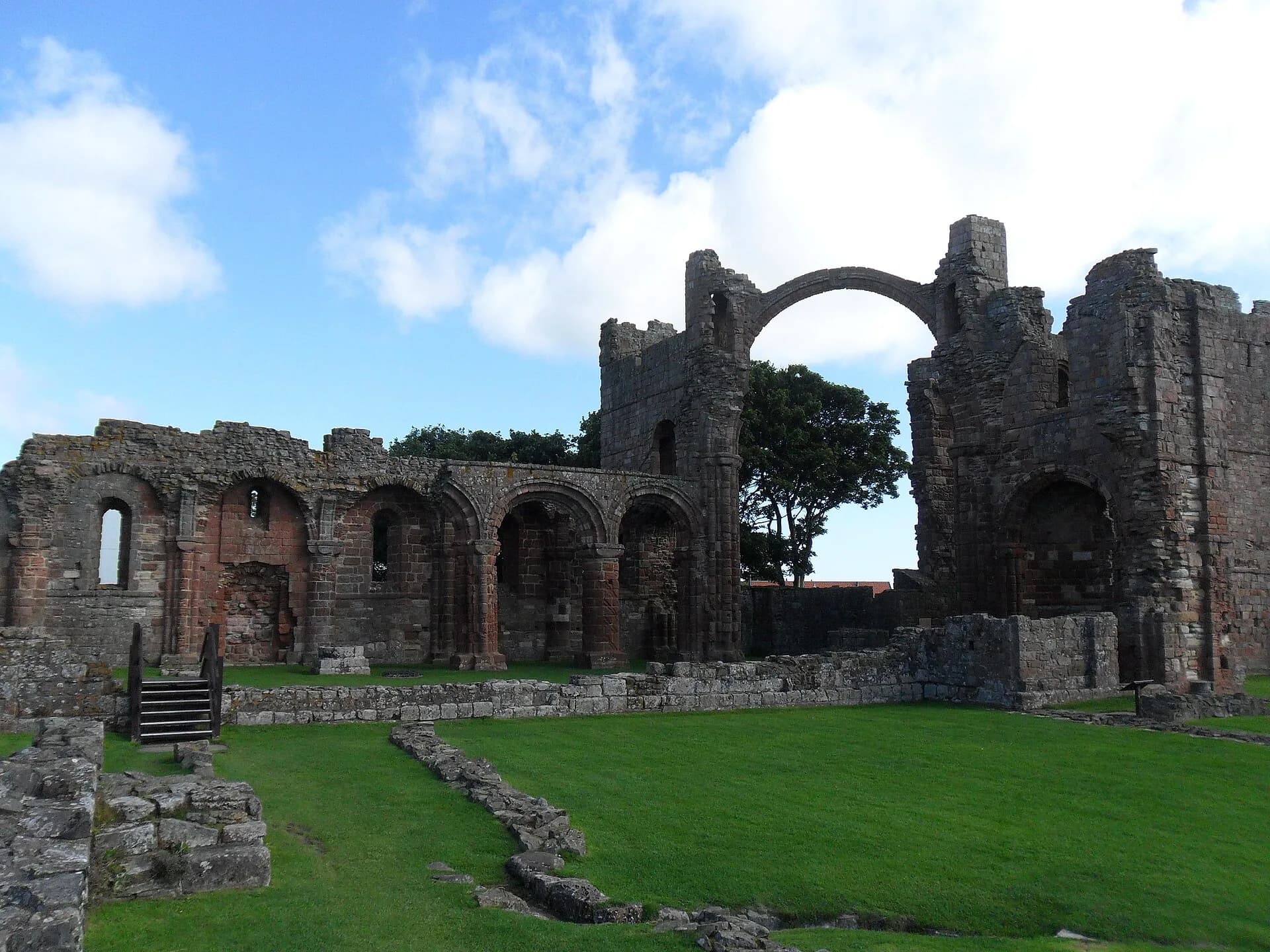

Lindisfarne faces a sheltered bay on Hobart’s eastern shore. Its parks, rowing water and views across the Derwent give it a quieter character than nearby arterial roads suggest. The suburb’s modern form owes much to ferries, recreation and twentieth-century bridge connections.
From Beltana to Lindisfarne
In the late nineteenth century, developers promoted a new suburb called Beltana. Land was set aside as picnic grounds, now Anzac Park, and regular ferry excursions brought visitors from Hobart. The City of Clarence records the first regular service beginning in 1890, with the O’May brothers also constructing a jetty.
The place name later changed to Lindisfarne. Historical maps, subdivision plans and ferry records are useful for tracing that transition because suburb labels and informal district names did not always change at once.
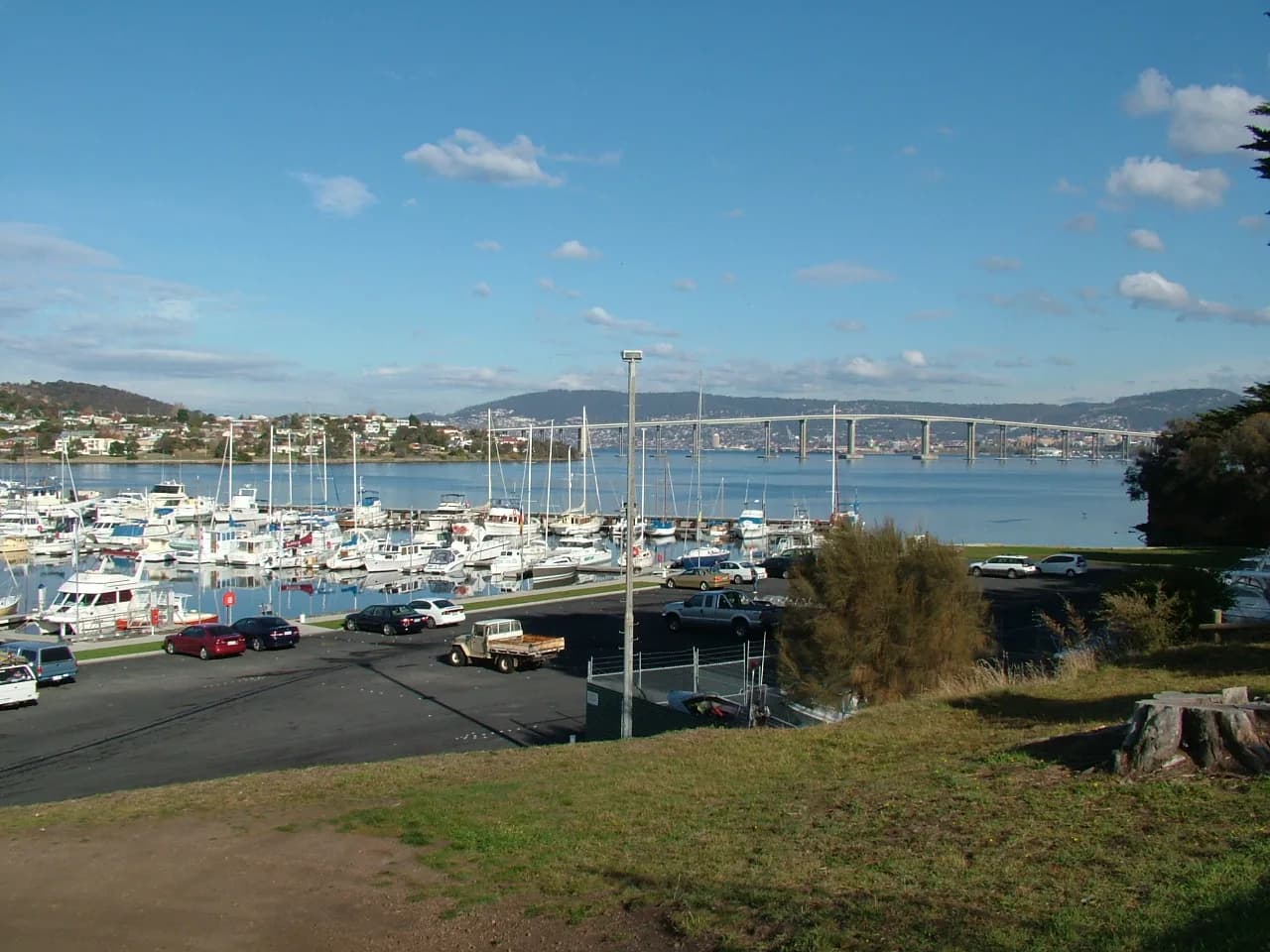

Ferries, regattas and commuting
The bay became known for picnics and regattas. Ferries including the Derwent, Rosny and Silver Crown carried commuters as well as day visitors. By the 1930s, services ran frequently enough to make daily work in Hobart practical for many residents.
Opening the floating Hobart Bridge in 1943 shifted travel towards cars and buses. Ferry use declined, then became essential again after the Tasman Bridge disaster in 1975 severed the main road connection.
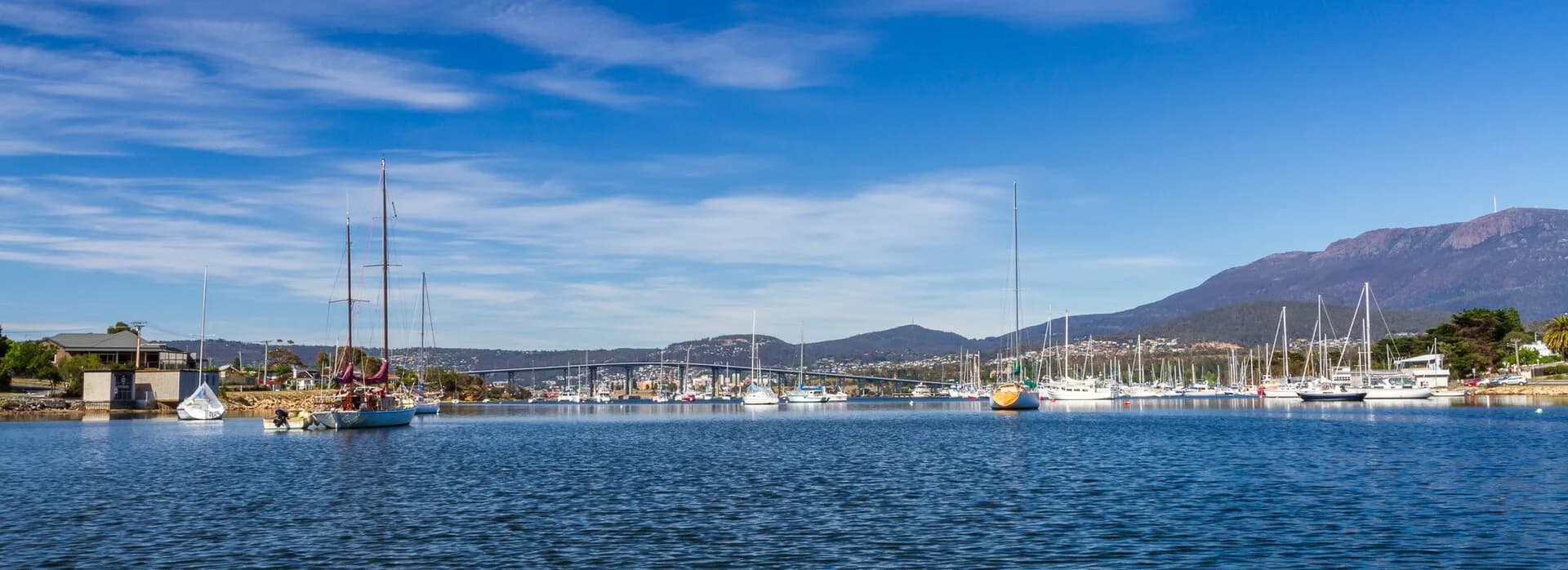

Walking the foreshore
Anzac Park and the bay foreshore provide the simplest introduction. Public paths offer views of yachts, rowing activity and kunanyi / Mount Wellington across the city. Respect signed dog rules and avoid disturbing shorebirds around mudflats and quiet edges.
Natone Hill and nearby eastern-shore reserves add short bush walks and elevated views. Fire conditions and track works can affect access, so check City of Clarence information when conditions are severe.
Visiting without a car
Lindisfarne is served by buses from Hobart. Cycling routes and local streets provide other connections, although major roads and intersections require care. A half day is enough for the foreshore and nearby reserve; combine it with South Arm only as a separate longer eastern-shore journey.