.jpg)
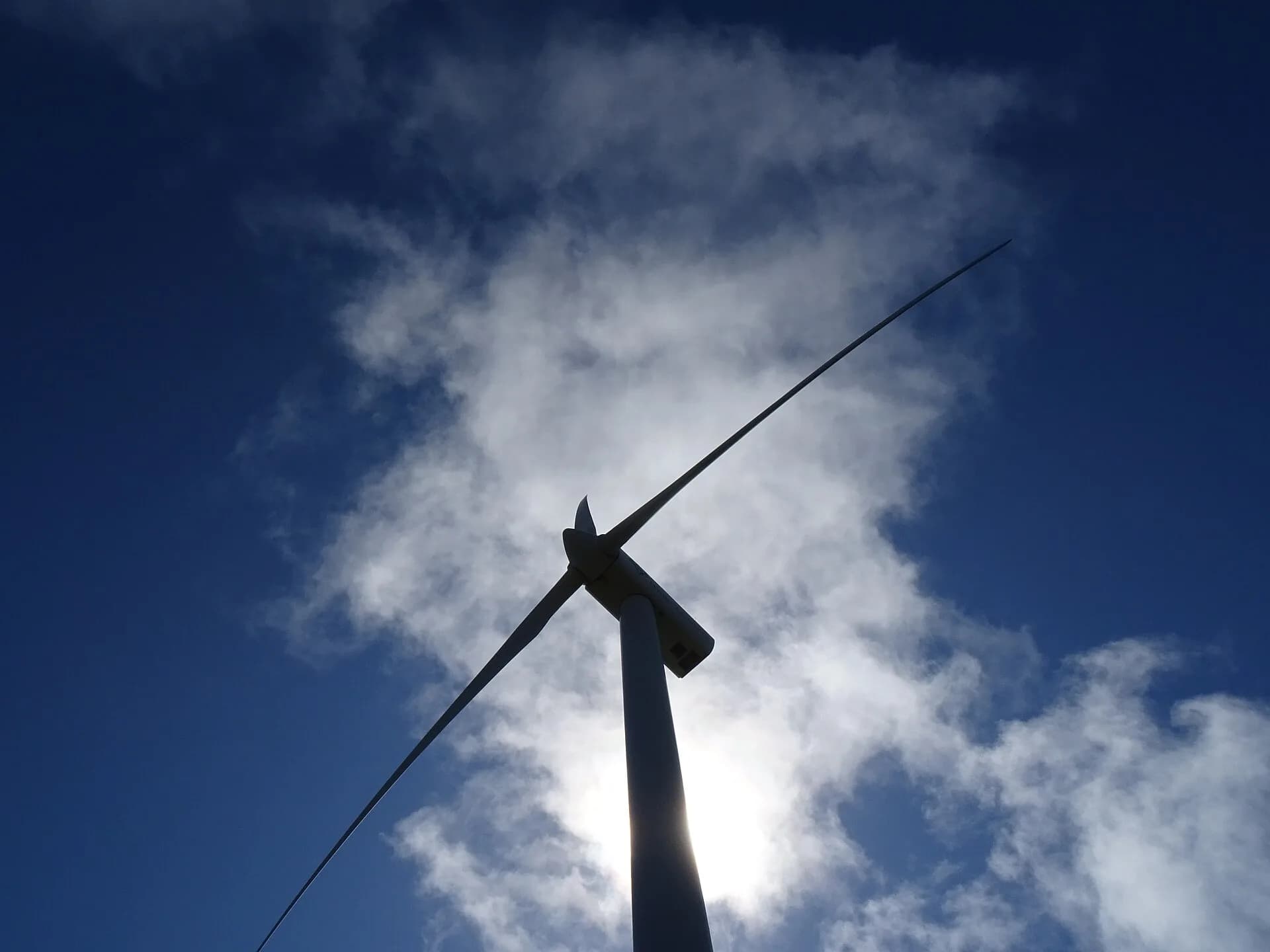
preminghana, also known in colonial mapping as Mount Cameron West, is Aboriginal land on Tasmania’s far north-west coast. It is a living cultural landscape, not an archaeological attraction or an unrestricted four-wheel-drive destination.
Country holds continuing culture
The broader north-west coast contains extensive evidence of Aboriginal occupation and care over many thousands of generations. Rock markings, living places and other heritage are part of relationships between people and Country. Their significance cannot be reduced to a visitor checklist.
.jpg)
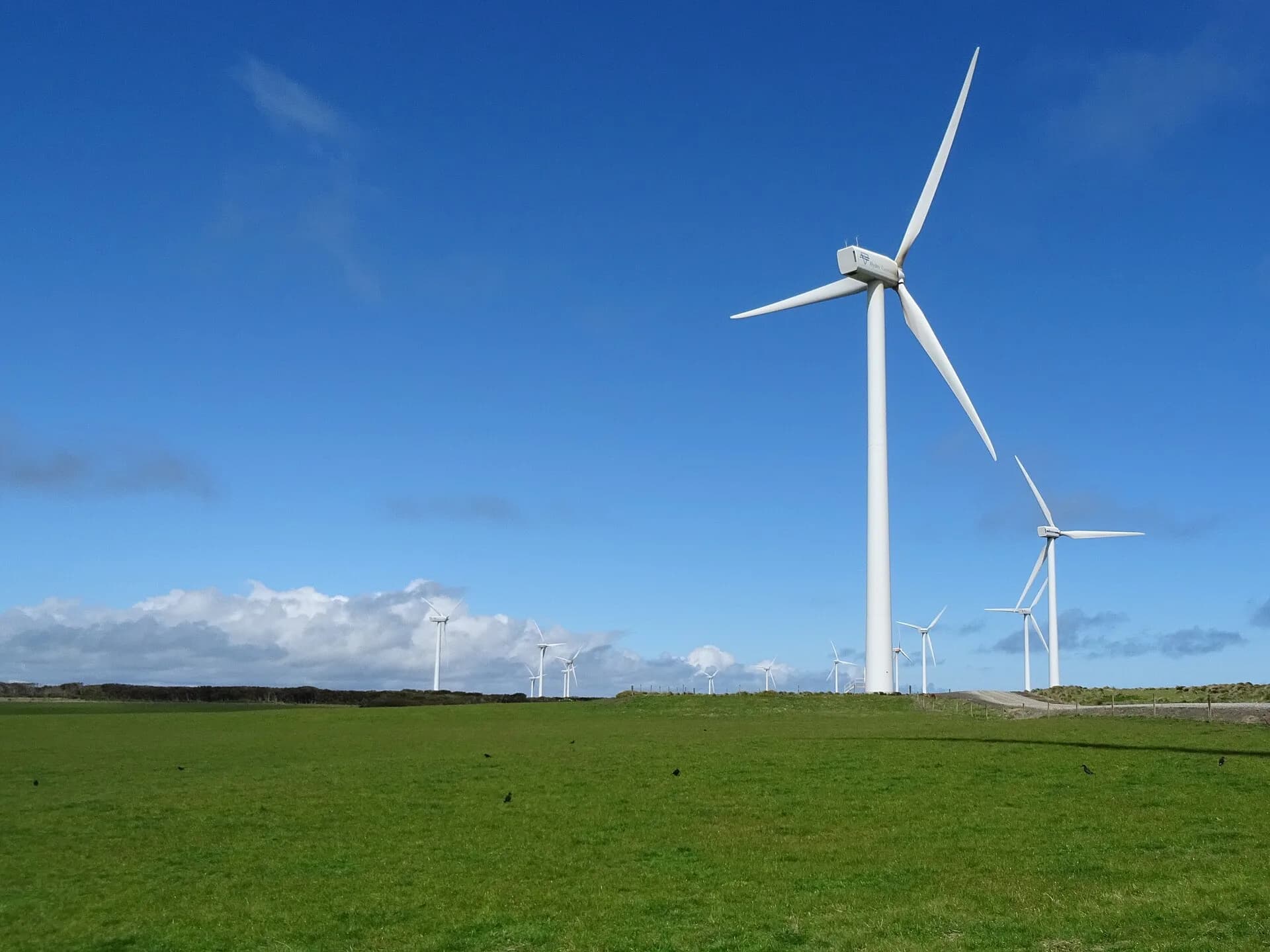
Land was returned in 1995
The Aboriginal Lands Act 1995 vested preminghana in the Aboriginal Land Council of Tasmania. The council holds Aboriginal land in perpetuity for Tasmanian Aboriginal people, with local Aboriginal management central to its care.
.jpg)
Follow current directions
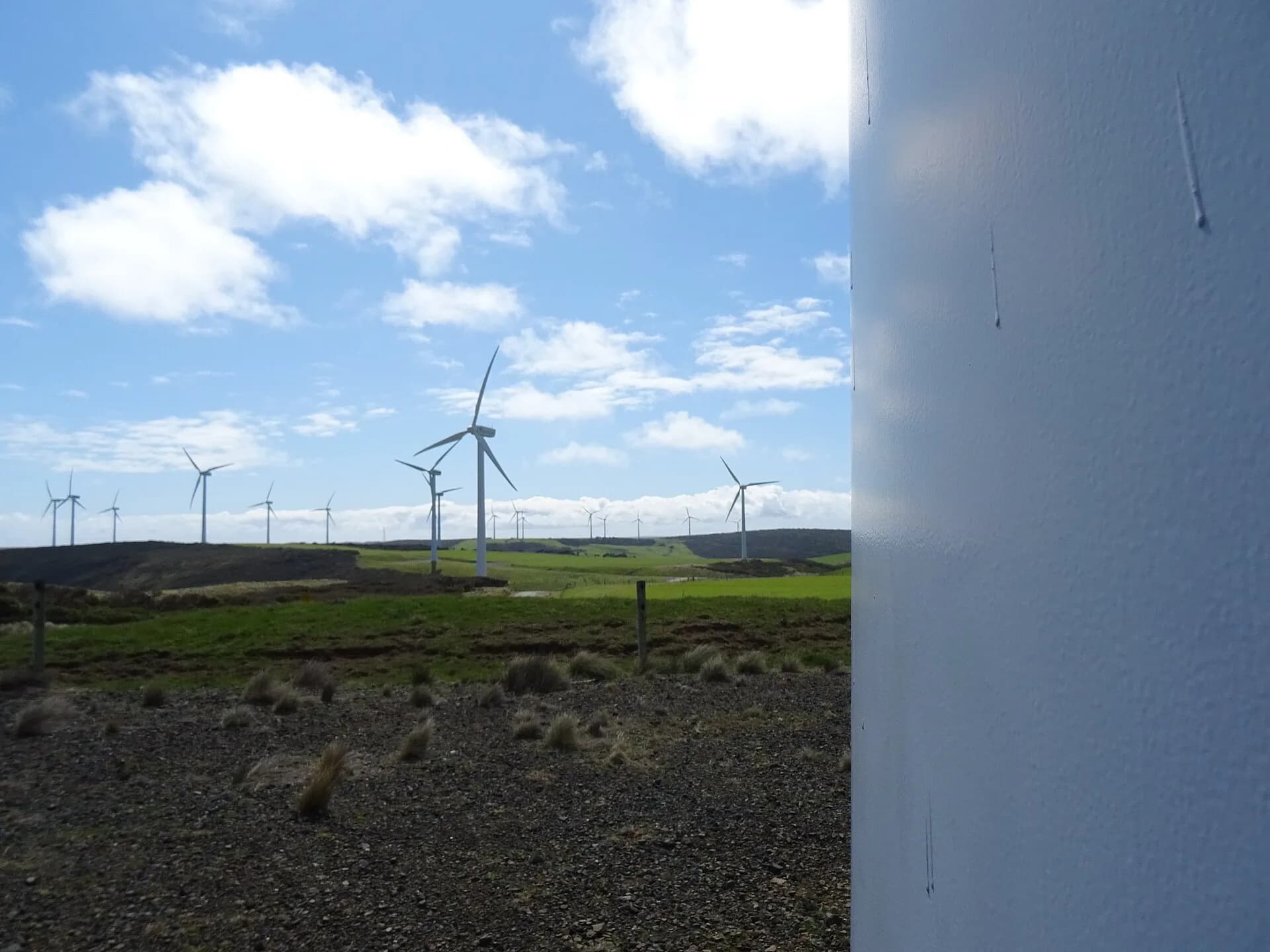
Access arrangements protect cultural and environmental values and can change. Use only the signed public route, do not drive beyond barriers or tracks open to vehicles, and never touch, trace, photograph closely or publish the location of rock markings or other sensitive heritage. Contact the land manager for current guidance before planning access.
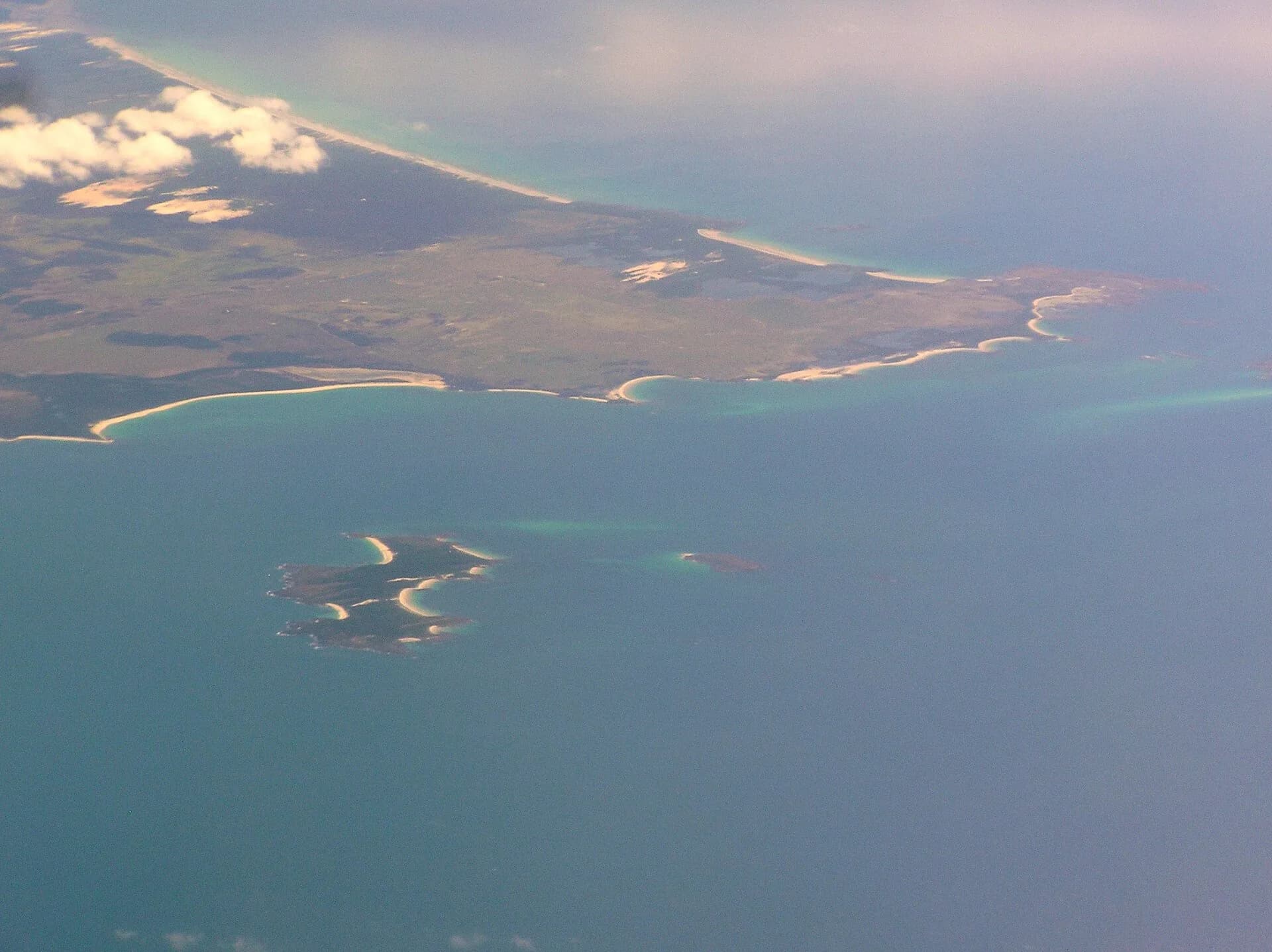

The nearby Marrawah, Arthur River and Tarkine coast pages cover public visitor facilities without treating preminghana as a casual sightseeing stop.