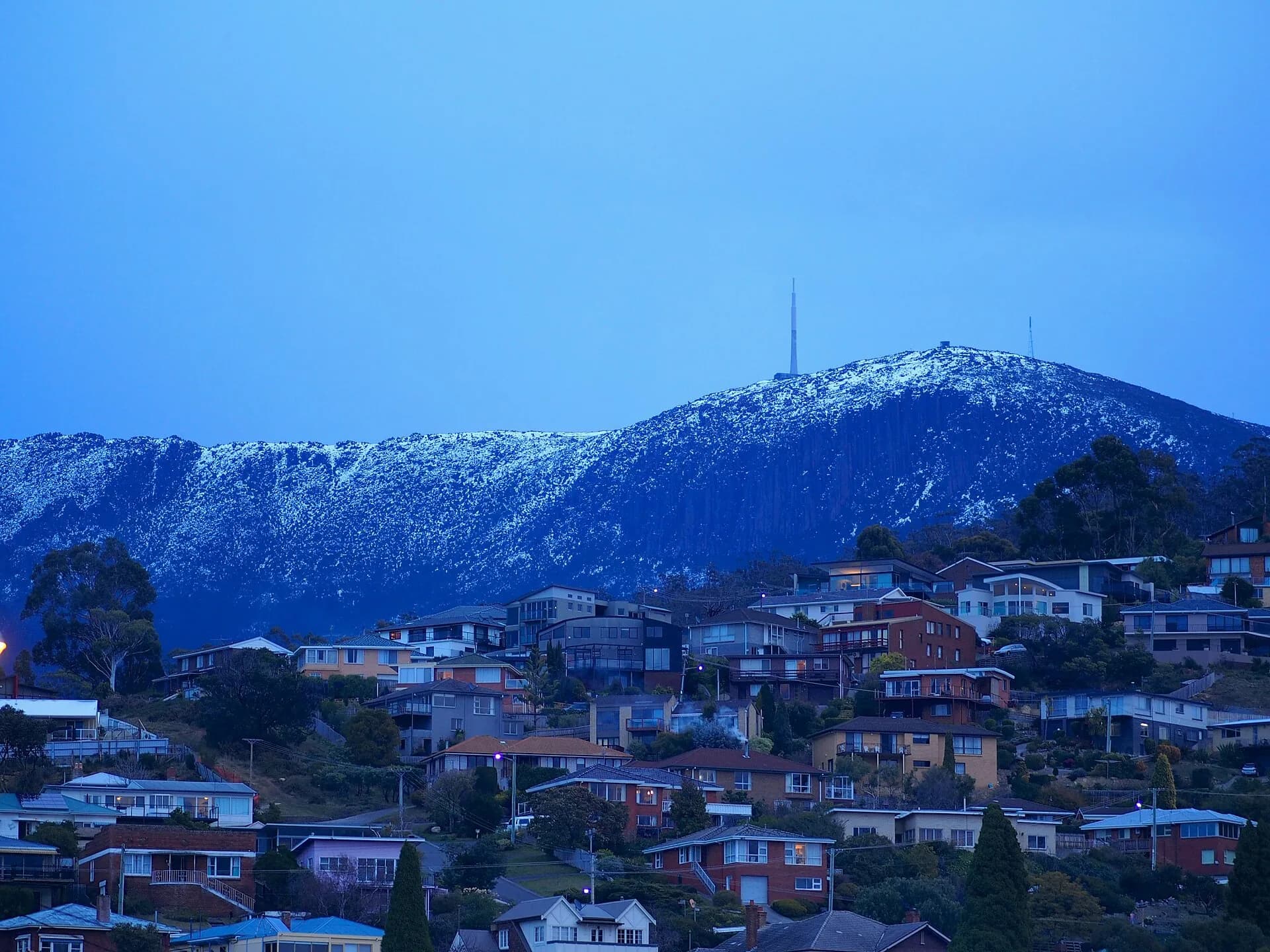

Hobart’s wildlife lives through a connected landscape of kunanyi / Mount Wellington, suburban bush, rivulets, the Derwent estuary and coastal reserves. A city setting does not make an animal tame or remove the need for distance.
Bushland begins within the suburbs
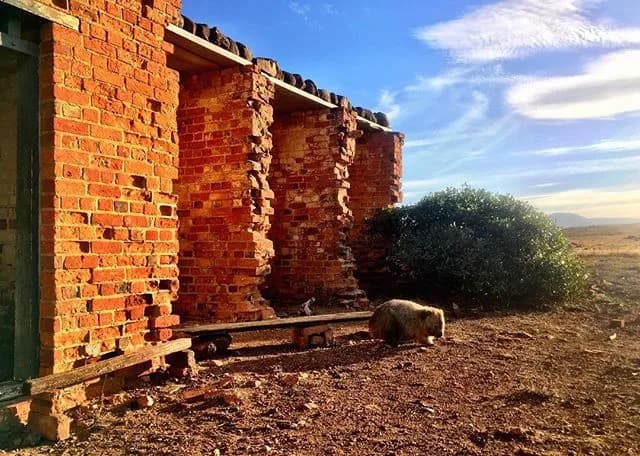
Wallabies, pademelons, echidnas and many birds use reserves and vegetated corridors. Walk quietly, keep to tracks and follow dog controls. Feeding changes behaviour and can draw animals towards roads and conflict.

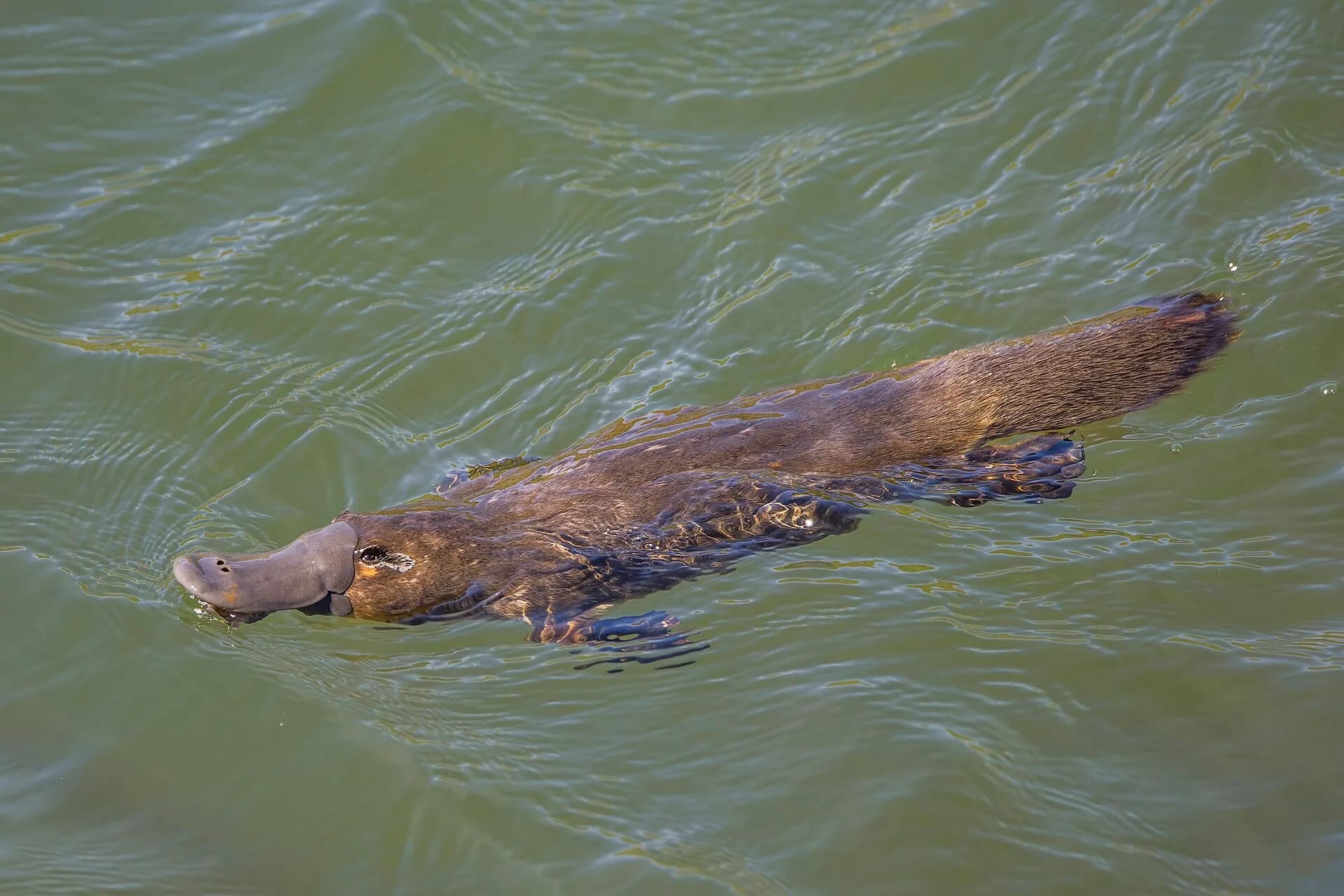
Waterways support less visible animals
Platypuses may occur in suitable freshwater systems but are difficult to see. Watch from a stable bank at dawn or dusk, avoid burrows and report sick or injured animals through the state wildlife service.
_Scottsdale.jpg)
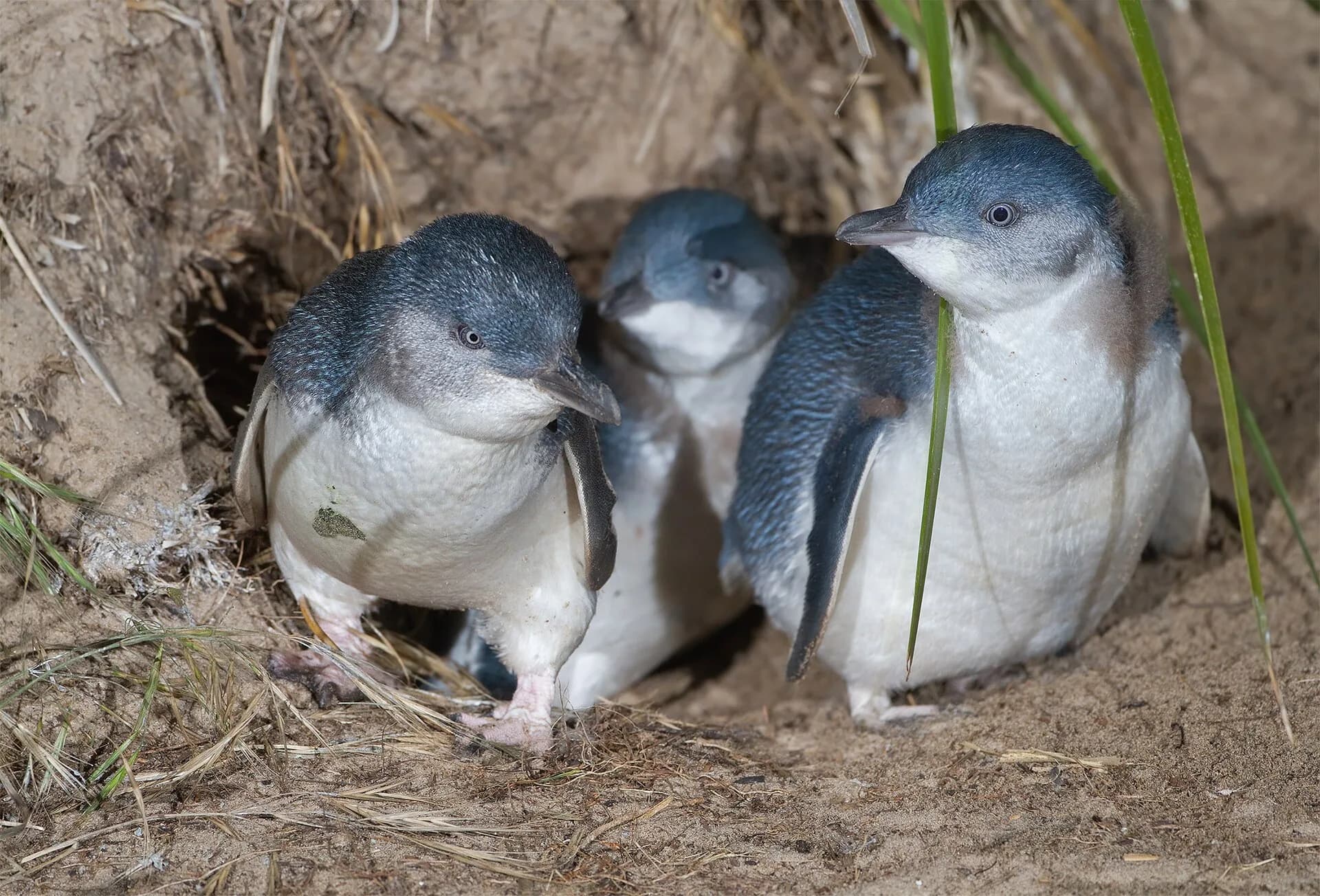
Shorebirds and penguins need space
The Derwent and nearby coast support shorebirds and little penguins at selected sites. Keep away from nests and burrows, use red-filtered light only where official guidance permits and never publish a sensitive nest location.

Night driving is the largest wildlife encounter many visitors will have. Slow down, scan verges and avoid unnecessary travel at dusk. The Tasmanian wildlife guide, Hobart parks and South Arm pages provide wider context.