.jpg)
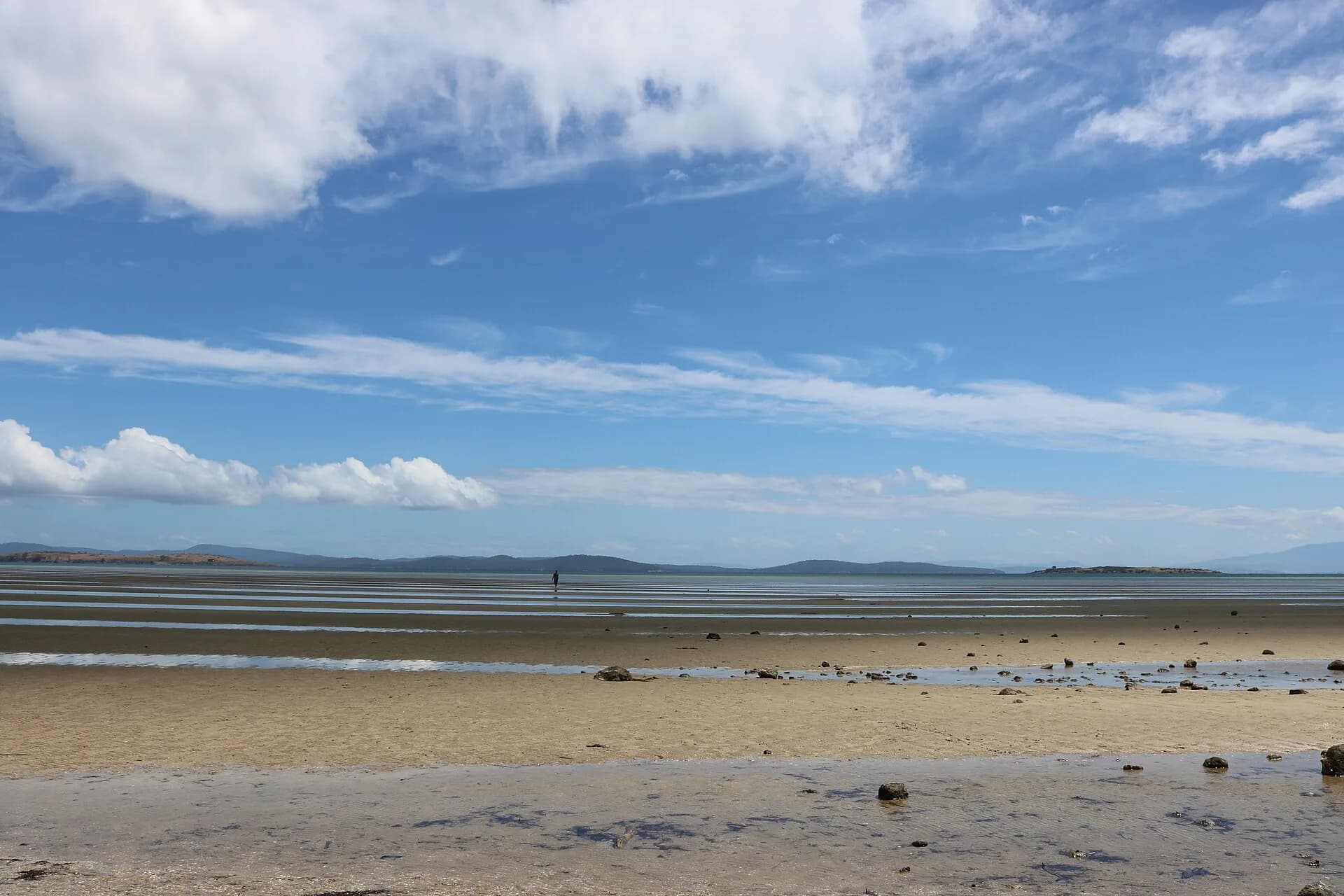
Marion Bay opens to the Tasman Sea east of Bream Creek. Its broad beach, dunes, lagoon system and Blackman Bay entrance create a dramatic coast, but this is an unpatrolled natural area with limited facilities rather than a resort beach.
Assess the water before entering
Beachsafe records Marion Beach as about 8.2 kilometres long, with multiple rips during higher waves and tidal currents near the southern inlet. The formal public access has a small car park but no full service complex.
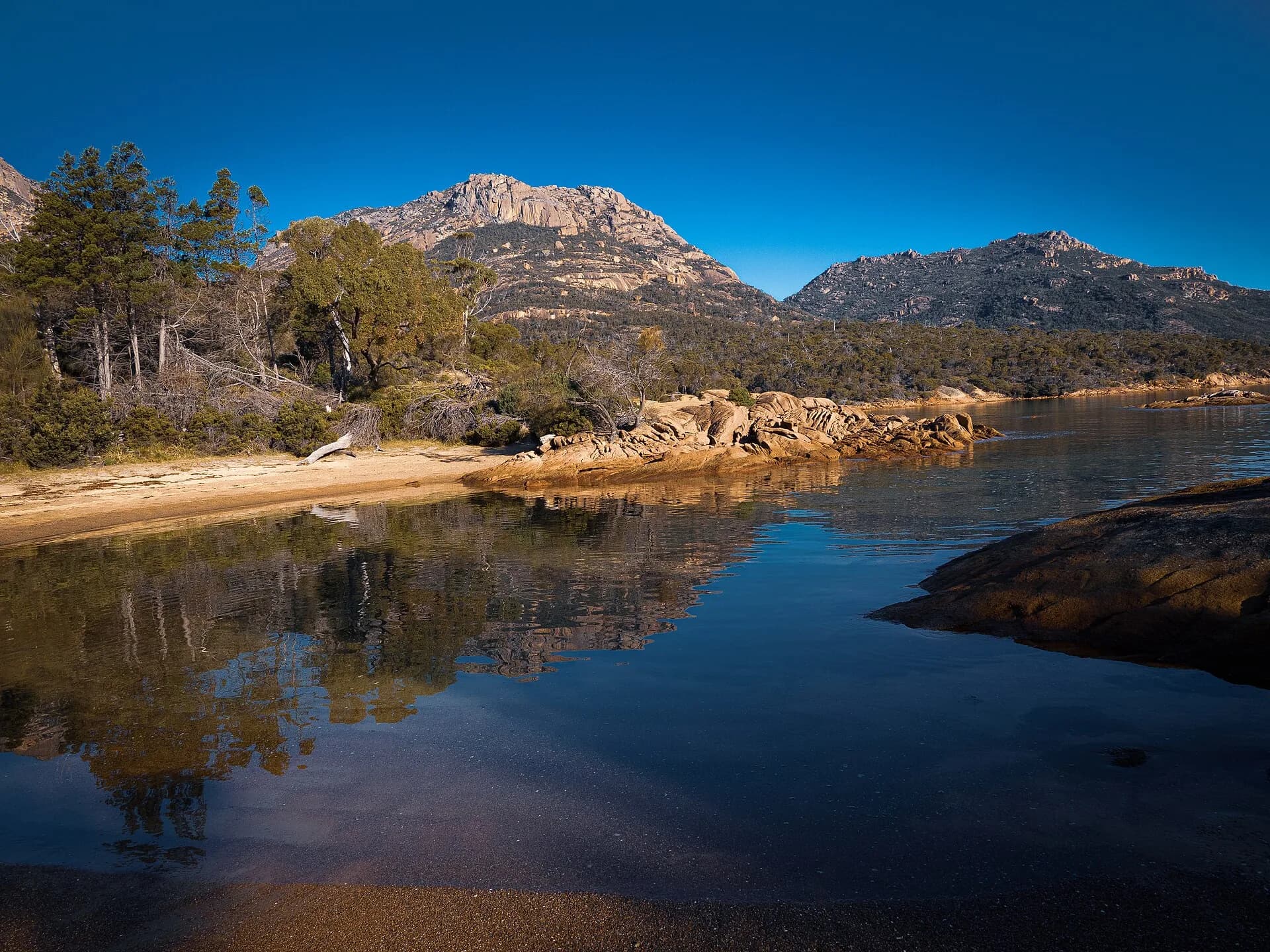

Cold water, changing swell and isolation all matter. Swim conservatively, supervise children and stay off rock edges in rough conditions.
Share the beach with nesting birds
Marion Beach and nearby mudflats support resident and migratory shorebirds. From October to April, walk on wet sand below the high-tide line, keep well away from fenced or signed nesting areas and do not drive on the beach.
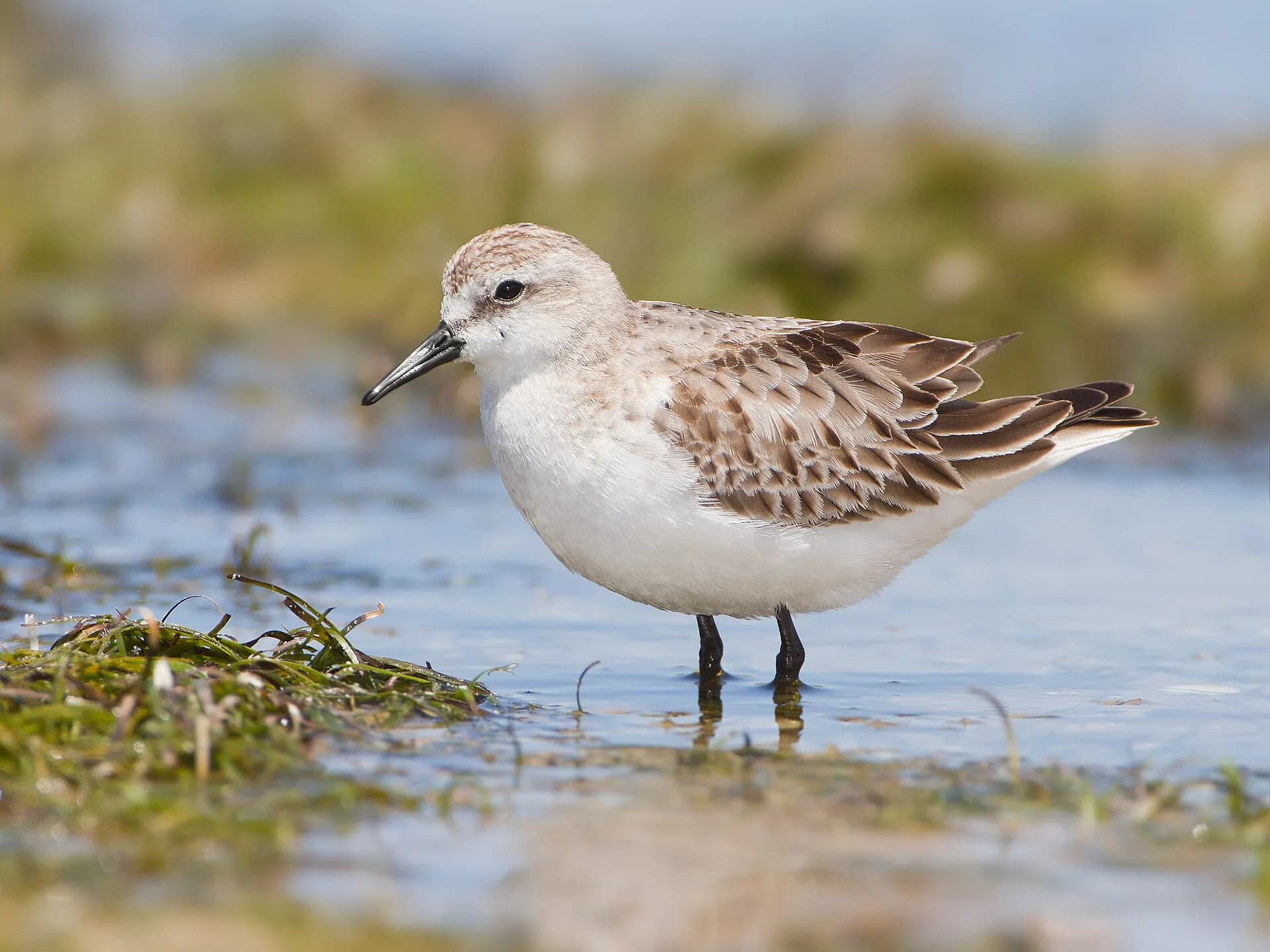

Dogs can disturb birds long before people notice a nest. Follow current council signs and choose another beach if access restrictions protect breeding areas.
Bring what you need
There are no reliable shops or lifeguards at the beach. Use Sorell for major supplies, or plan the rural route through Copping and Dunalley carefully. Avoid blocking farm gates and check fire conditions in summer.