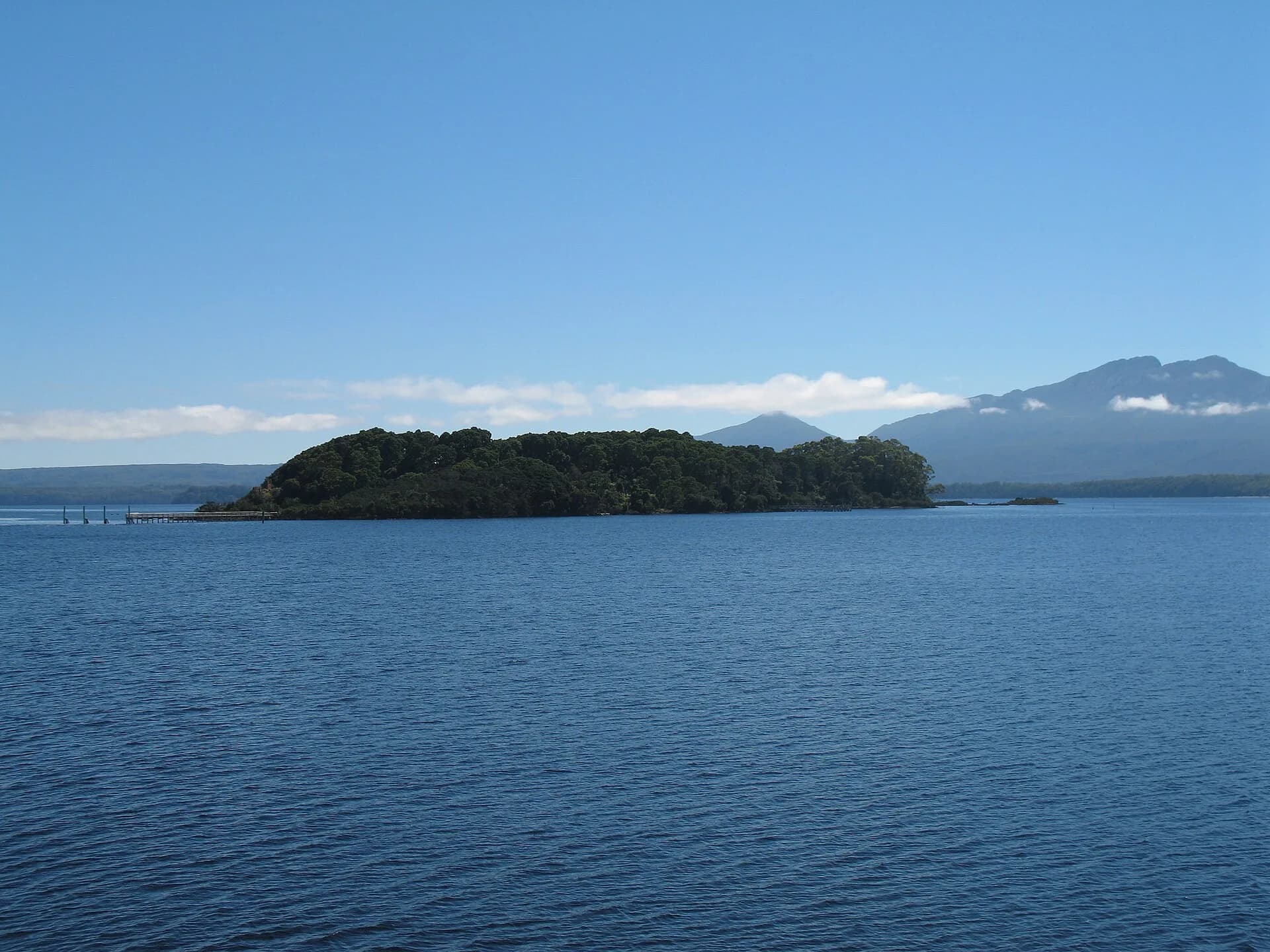

Sarah Island lies in Macquarie Harbour within a landscape known to Aboriginal people as Langerrarerouna. The colonial government established a penal station there in 1822, using isolation, punishment and forced labour to control transported people.
Isolation was part of the sentence
Macquarie Harbour’s narrow sea entrance and surrounding rainforest made escape dangerous. The station imposed hard labour, flogging, inadequate shelter and close surveillance. Later legends should not obscure the documented violence of the system.
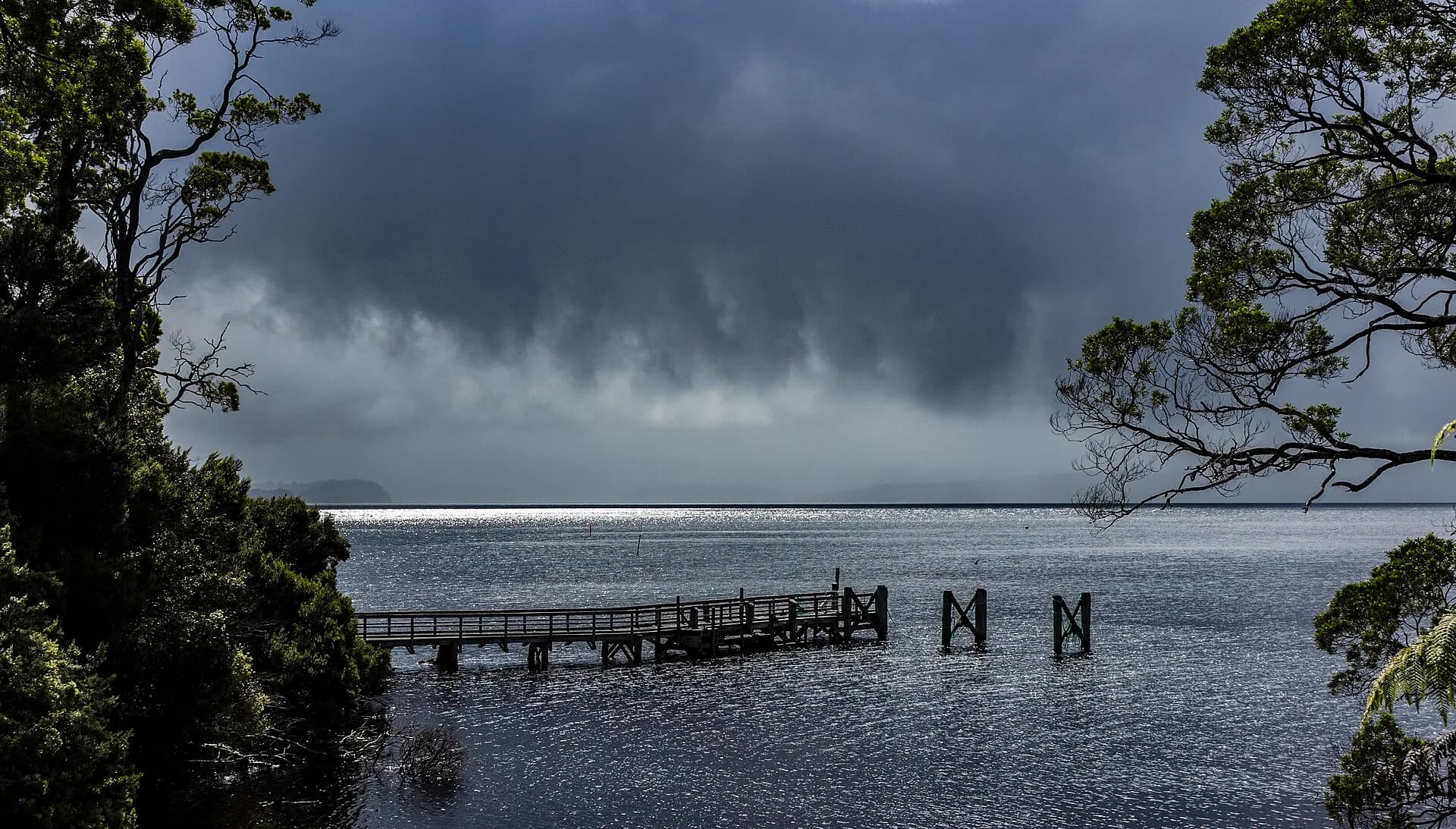
.jpg)
Forced labour built ships
Convicts cut Huon pine and worked in a substantial colonial shipyard. Skilled labour made the settlement economically productive even while official reports criticised its discipline and conditions.
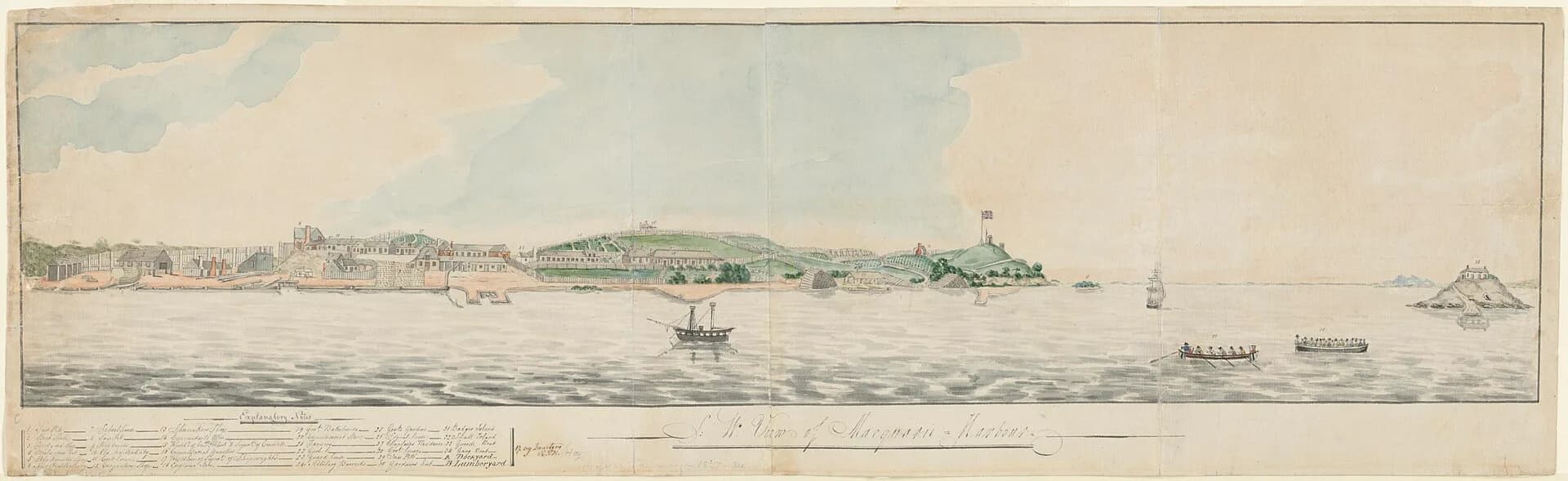

Read fragments, not a complete town
The station closed in 1833, with later pining camps and removal of building materials changing the site. Tracks now connect foundations and standing fragments including the penitentiary, bakehouse and slipway.


Access is by cruise boat or private charter, usually from Strahan. Bring wet-weather clothing and use the landing and formed paths carefully. The Tasmanian convict-sites guide compares Sarah Island with later stations without treating them as interchangeable.