
Extinction is a finding about evidence, not simply the absence of recent sightings. It means a species has disappeared across its range after surveys, records and expert assessment fail to find a surviving population. Tasmania's official threatened-species list records several losses, including the thylacine, Tasmanian emu and smooth handfish.
The thylacine
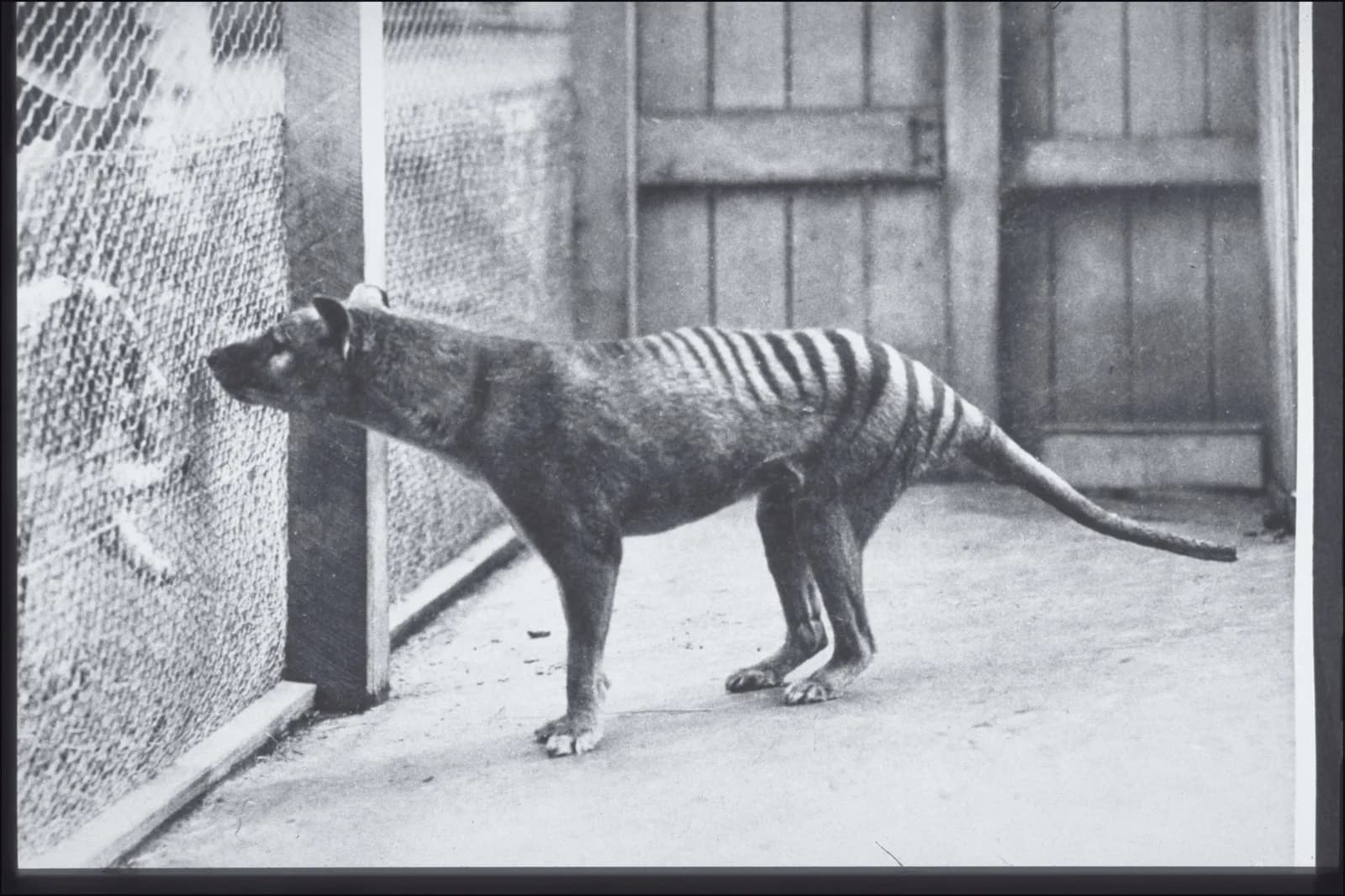
The thylacine was the largest surviving marsupial predator into modern times. It had already disappeared from mainland Australia long before British settlement of Tasmania. In Tasmania, persecution, habitat change, capture and a government bounty drove a rapid decline. The last known captive animal died at Hobart's Beaumaris Zoo in 1936.
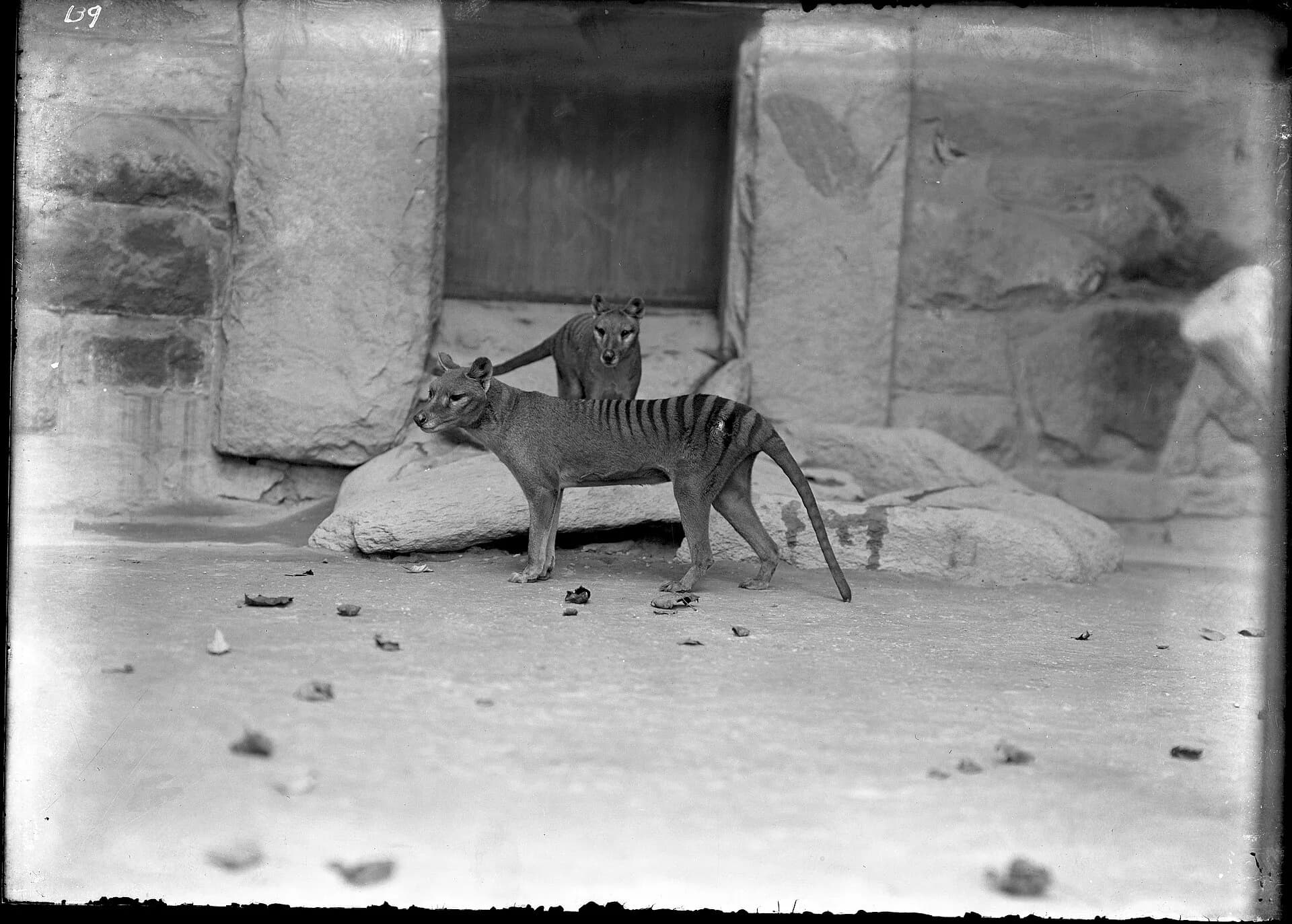

Reports of possible sightings have continued, but no claim has produced conclusive evidence of a living thylacine. The Department of Natural Resources and Environment lists the species as extinct. Museum skins, skeletons, preserved young, photographs and film now carry much of the remaining biological evidence.
The Tasmanian emu
The Tasmanian emu was an island form of emu. Written accounts and museum material are limited, and the exact path to extinction is less fully documented than the thylacine's. Hunting and landscape change following colonisation are central to the loss. The official Tasmanian threatened vertebrate list records the Tasmanian emu as extinct.
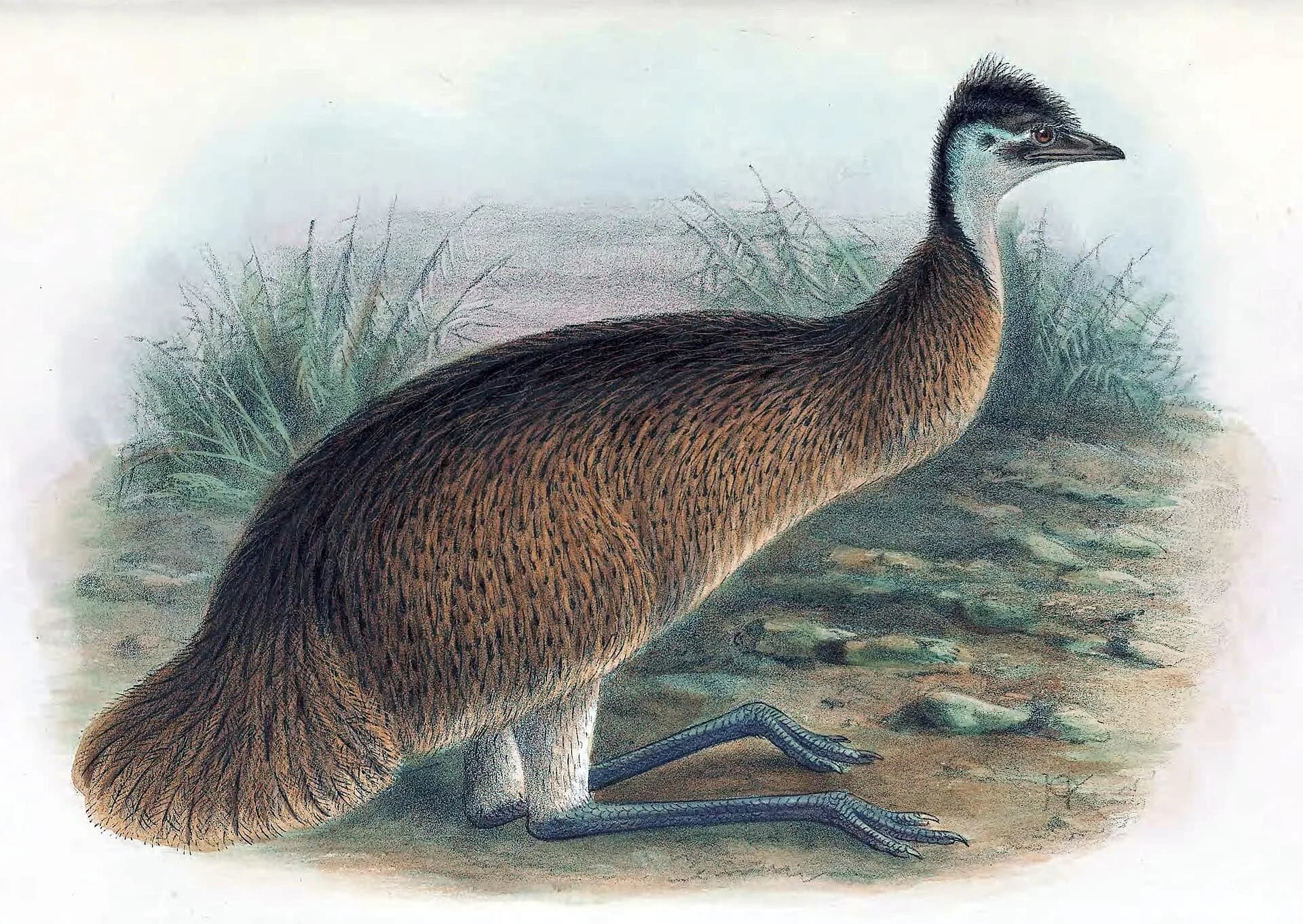

Historical illustrations must be used carefully. They may preserve observations unavailable elsewhere, but proportions, colour and setting can reflect artistic convention as much as zoological precision. Physical specimens held by museums allow later researchers to test older classifications and compare island populations.
The smooth handfish
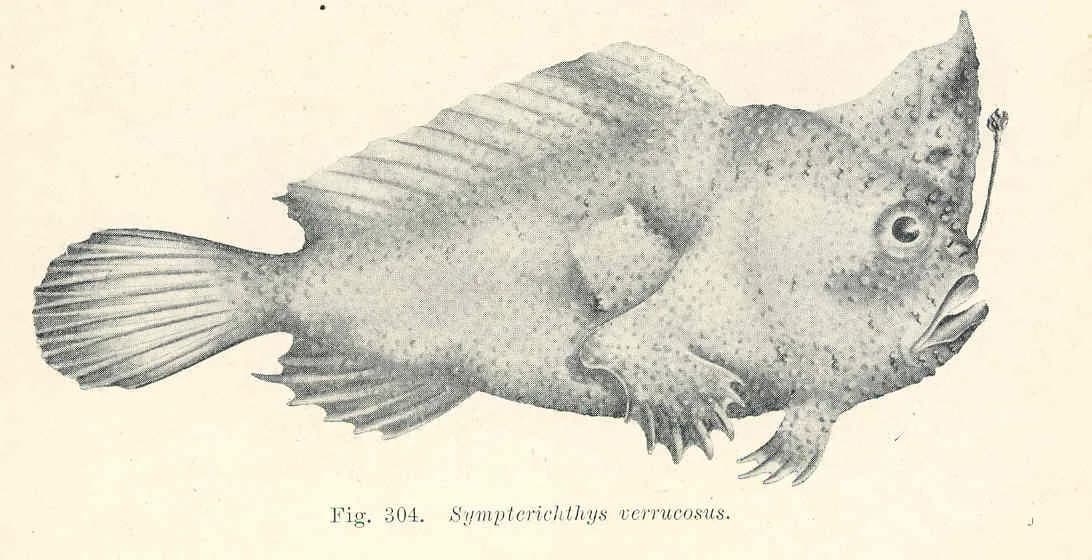
The smooth handfish is a different kind of loss. It was a small marine fish known from the waters of south-eastern Tasmania and represented by very few specimens. Tasmania's official list now records it as extinct. Its disappearance shows that extinction is not confined to conspicuous land animals and that poorly known marine species can vanish before their ecology is understood.

What the collections preserve
The Tasmanian Museum and Art Gallery maintains zoological collections that include extinct animals such as thylacines and King Island emus. These are research collections, not merely displays. A specimen can retain anatomical, genetic and collection-location information long after the living population is gone.
The practical lesson is not that every rare species is destined to disappear. It is that evidence must be collected while populations survive, threats must be acted on early, and uncertain records should be described honestly. Current conservation status should always be checked against government lists because names and assessments can change as research improves.