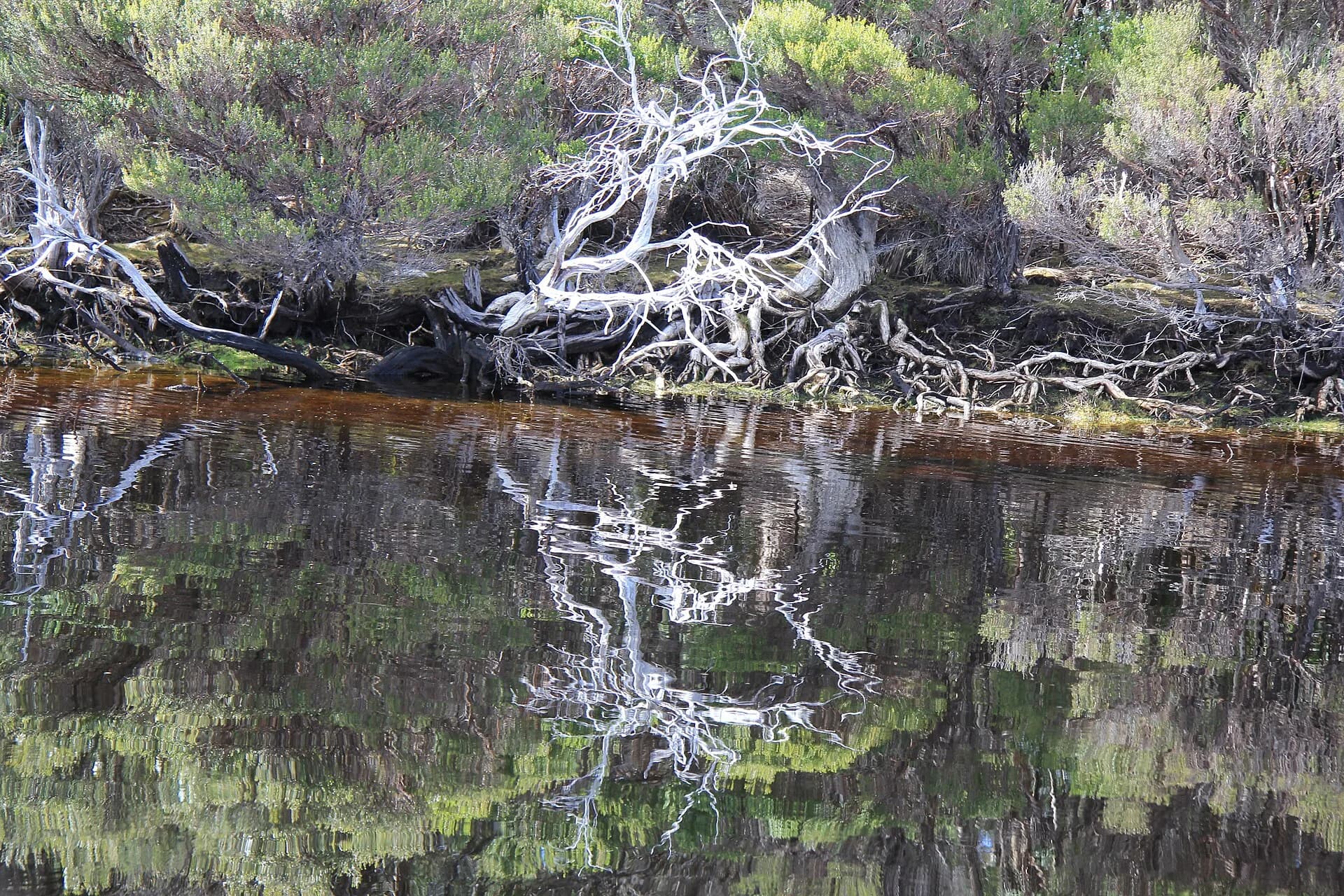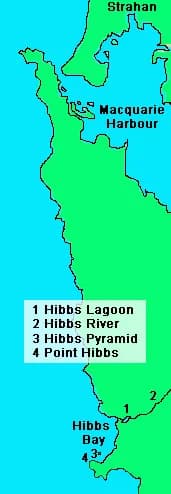

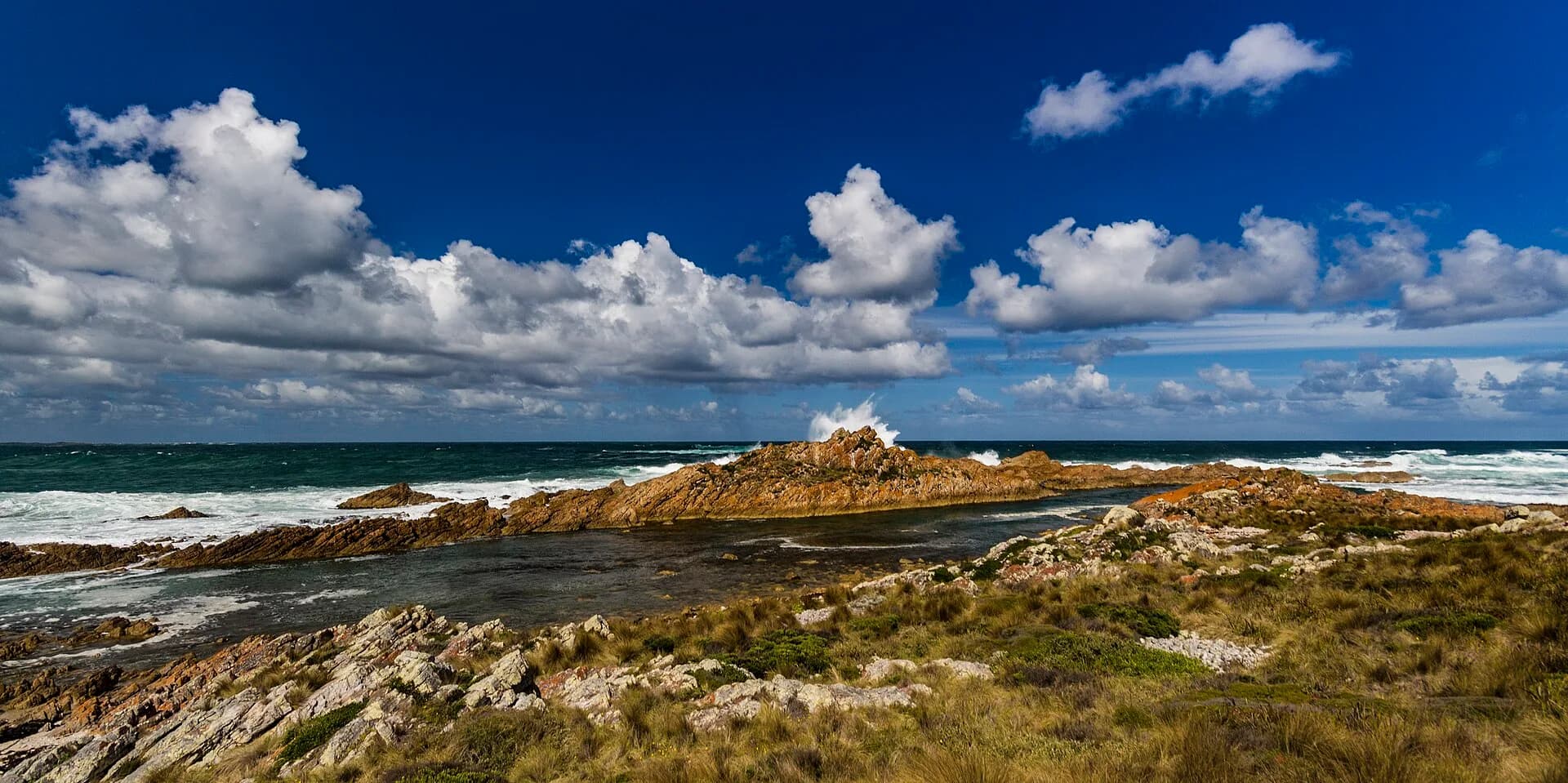
Point Hibbs projects into the Southern Ocean on a roadless section of Tasmania's west coast. Hibbs Bay lies beside it, backed by wild country within the Tasmanian Wilderness World Heritage Area. There are no visitor facilities or casual road access.
Access is an expedition decision
Reaching this coast requires an appropriate vessel, aircraft operation or a demanding remote journey with land-manager permissions and current route knowledge. Surf, swell, reefs, wind and rapidly changing weather can prevent landing or departure.
.jpg)
Do not treat map distance from Strahan as evidence of accessibility. Remote communications, emergency shelter, navigation and contingency days are essential.
The coast is culturally and environmentally sensitive
Aboriginal people have deep connections to Tasmania's western coastline. Shell deposits, stone material and other cultural places are protected. Do not disturb, collect or publicise precise locations.
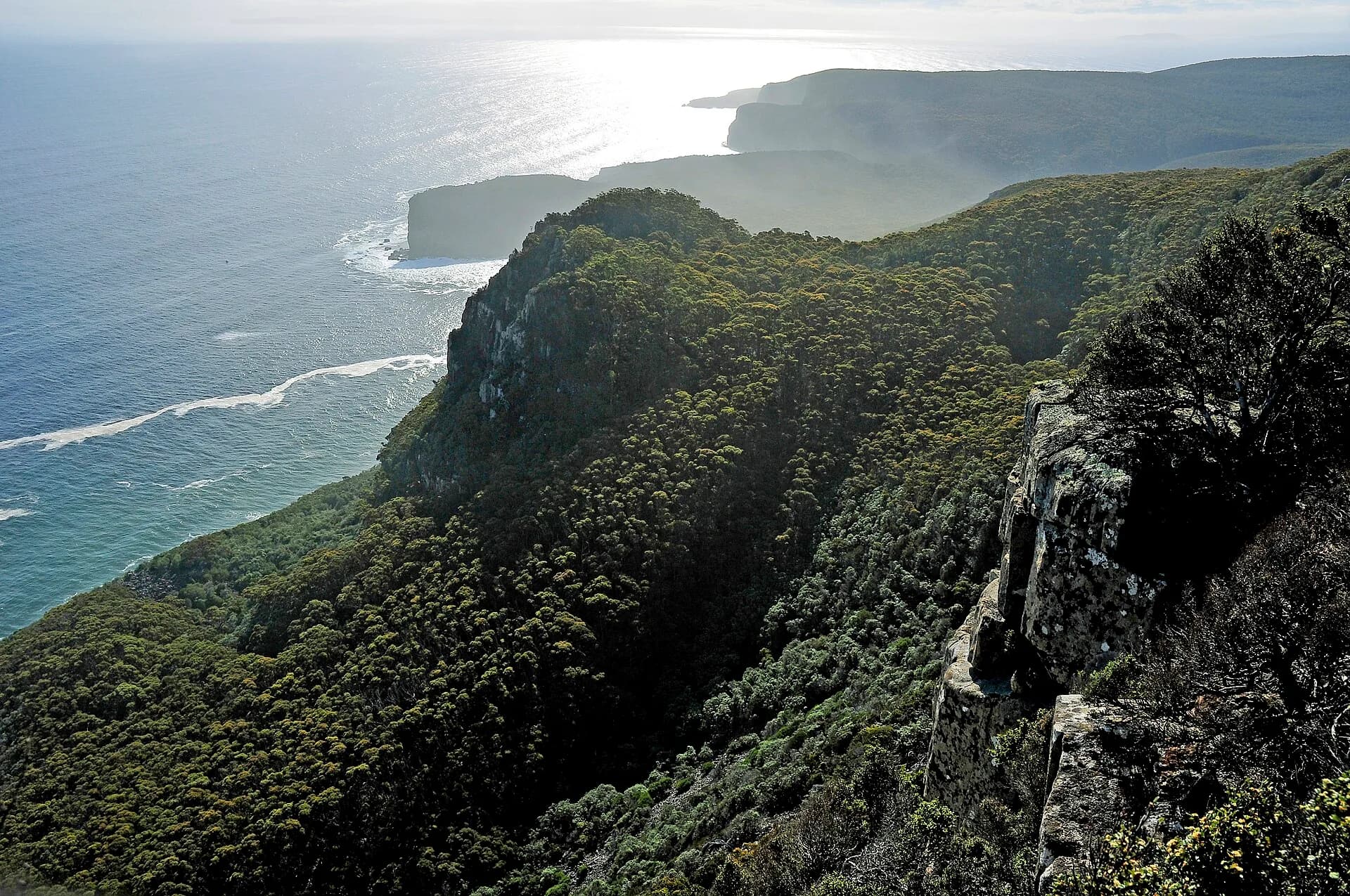

Low dunes, beaches and coastal vegetation are also easily damaged. Use hard surfaces where possible and follow fuel-stove, waste and biosecurity rules.
Use accessible places to learn the wider coast
Strahan is the practical western service base. Bathurst Harbour and Port Davey explain the remote south-west marine environment, while West Coast covers road-accessible alternatives.