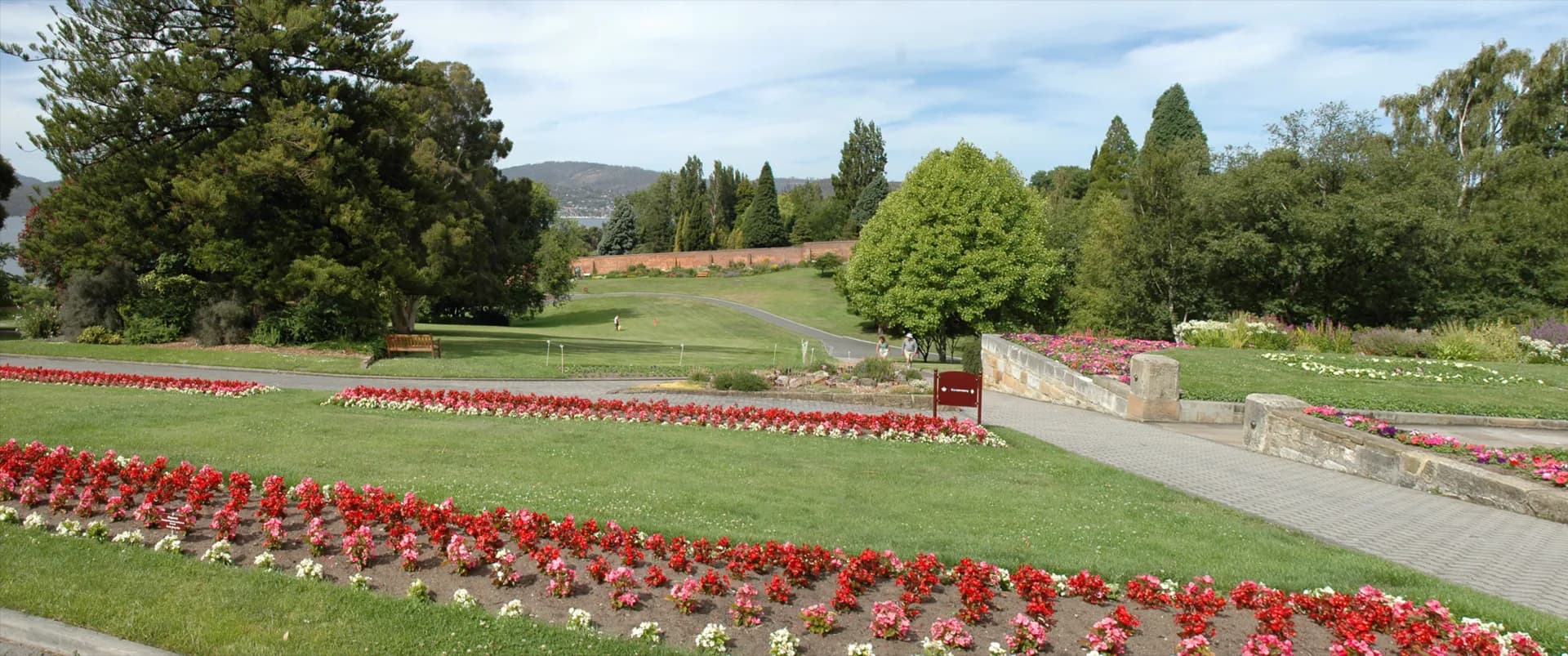

Hobart’s parks include formal gardens, former burial grounds, river corridors, playgrounds and remnant bushland. They occupy Aboriginal Country and have been shaped by colonial government, public campaigns, horticulture, roads and everyday recreation.
Central squares carry civic history
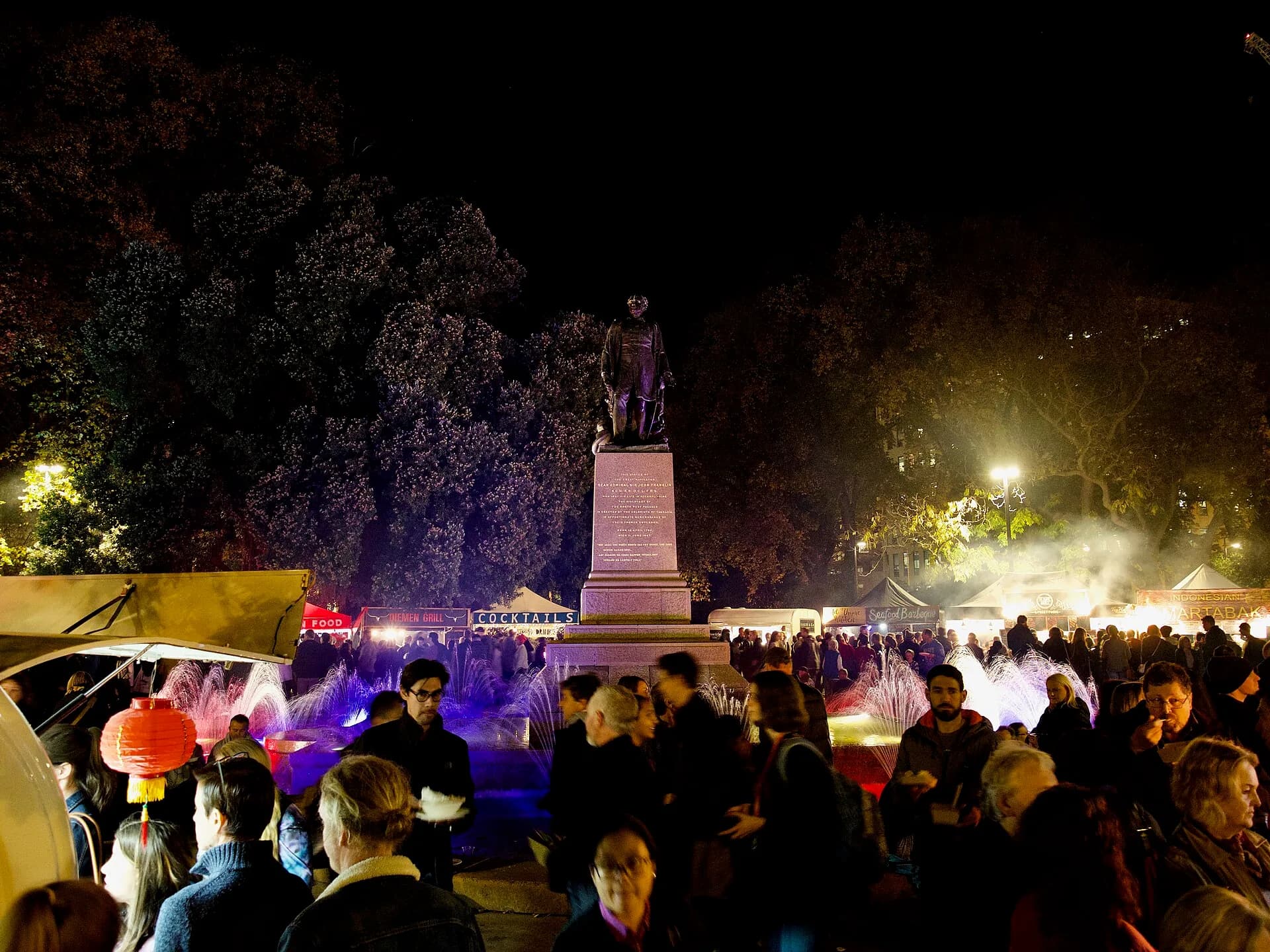
Franklin Square developed as a central public space beside government and civic buildings. St David’s Park occupies part of Hobart’s first burial ground, where memorials and reused materials require more than a picnic-ground reading.

Queens Domain is a layered landscape
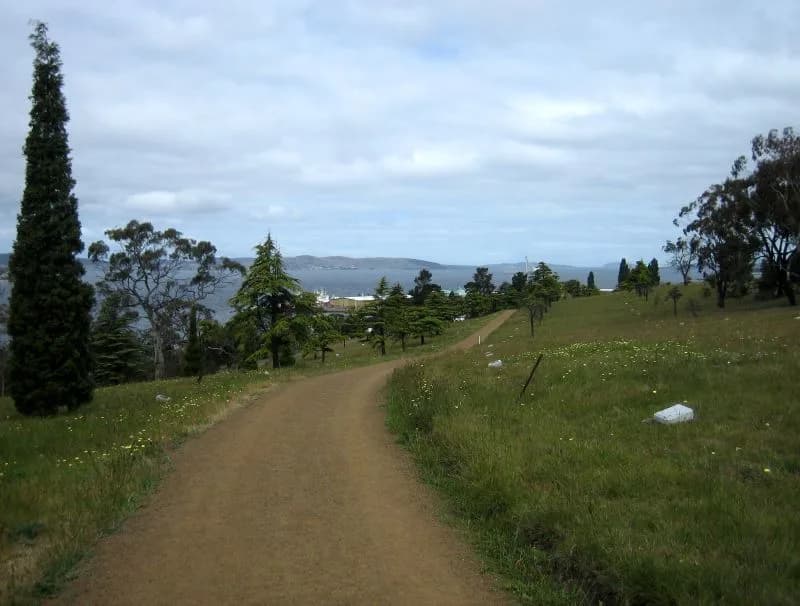
The Domain includes remnant grassland, memorials, sporting grounds, the Royal Tasmanian Botanical Gardens and transport corridors. It has repeatedly been contested as public open space.

Cascade Gardens follows the rivulet
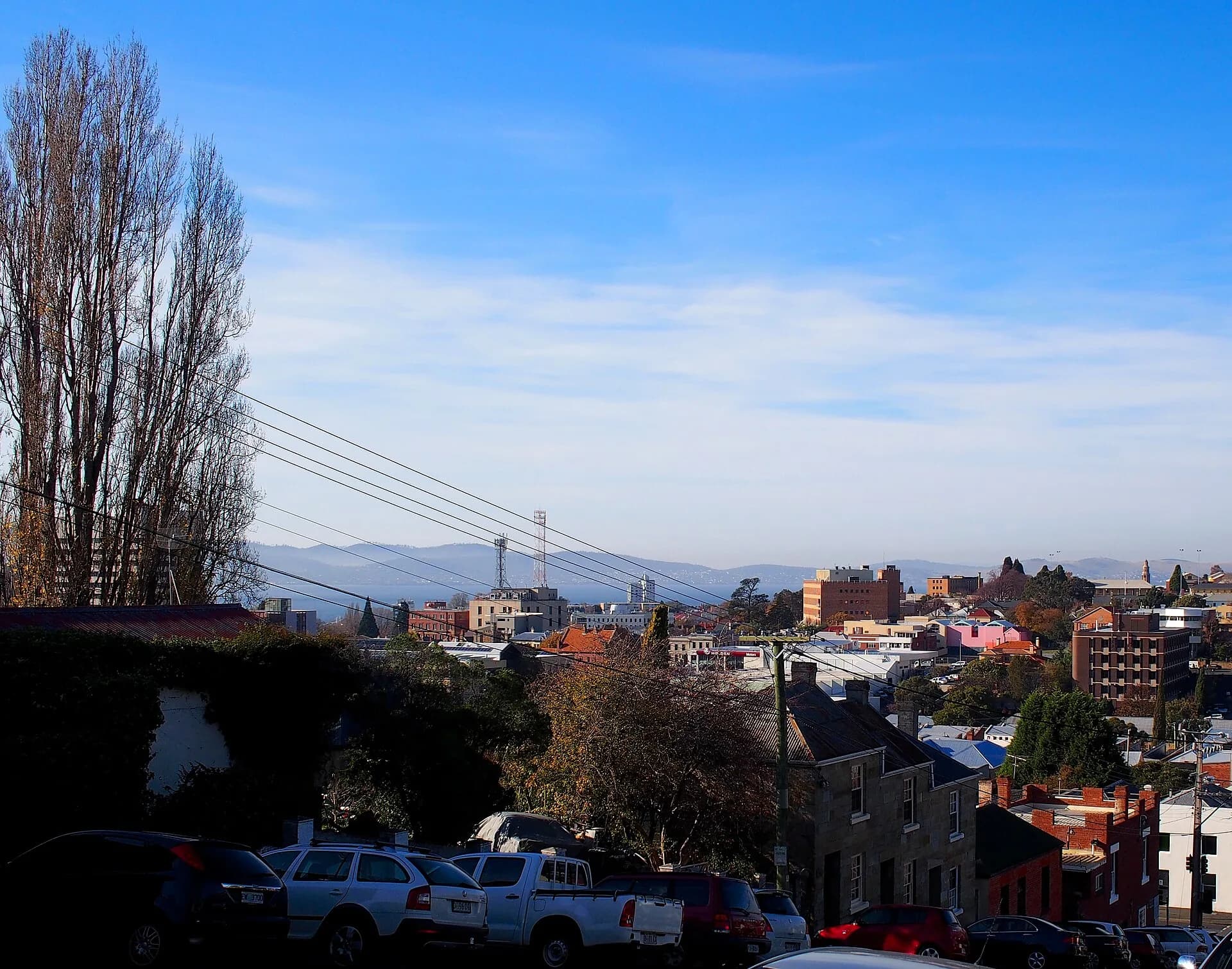
Cascade Gardens grew from a nineteenth-century tea garden beside the Hobart Rivulet. Today its mature trees, paths and playground connect with South Hobart’s industrial and convict history.

Facilities, dog rules, event bookings and alcohol restrictions vary by park. Use the City of Hobart’s current listing, then connect a walk with the Hobart parks guide, Franklin Square or South Hobart.