
Setting and character
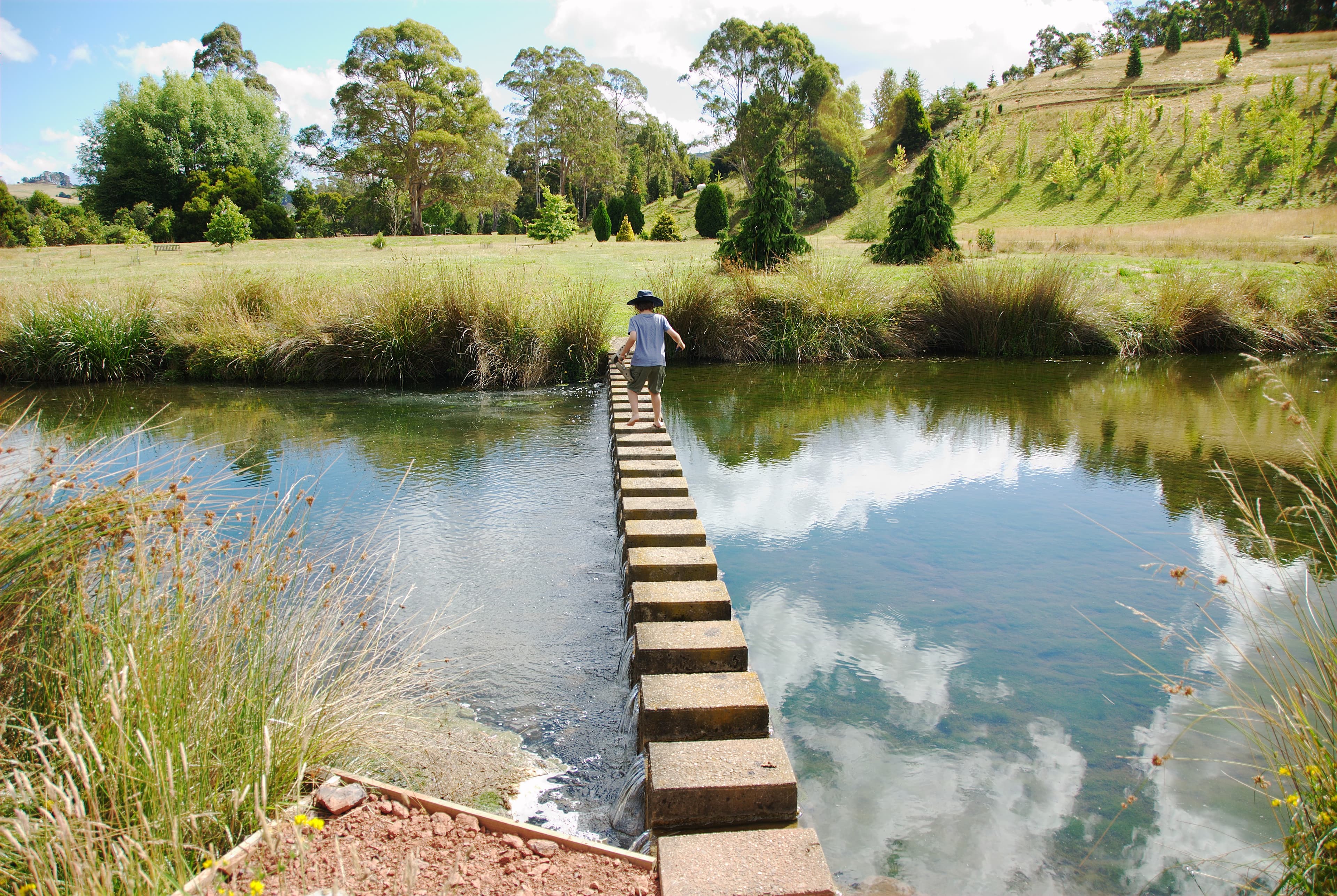
The Tasmanian Arboretum sits within a rural parkland of about 66 hectares in Tasmania's North West region. It is a planted collection of trees and shrubs drawn mainly from temperate parts of the world. Paths cross meadows, planted beds and woodlands, and there are rotundas and other sheltered picnic sites dotted across the grounds.
Seasonal appearances change as different plantings come into leaf, flower or seed. Interpretive panels and labels identify many specimens so visitors can follow the botanical story as they walk. The landscape is described as restful and suitable for slow exploration rather than a quick stop.
Trees, trails and interpretation
Walking trails lead through distinct plantings and the Arboretum emphasises education as part of the visitor experience. All woody plants are labelled and there are numerous information panels along routes. Volunteer guides and an education team run programs for school groups and other visitors, and guided tours are offered to explain the heritage of the site and the story behind the plantings.
Trails vary in length and character. Some are short, flat circuits around lakes and picnic areas while others pass through more extensive tree collections. A trail map exists for route planning. If you are visiting with limited mobility check available routes before you go.
Wildlife and viewing platypus
Wildlife is a key reason people visit. Founders Lake is a focal point for wildlife observation and has been identified by monitoring groups as a particularly productive site for platypus activity. Volunteers and visitors have recorded platypus behaviour there, and sightings are commonly reported at various times of day. A little patience often helps for observing these animals.
Birdwatchers can expect records of around 81 species on site. Native hens are frequently seen and the Arboretum keeps a listing of species with notes on frequency and seasonality. Marsupials are present too, including possums and macropods such as Bennett's wallabies, pademelons, pottoroos and bettongs. Tasmanian devils have been recorded only very rarely and echidnas may be encountered occasionally.
Note one practical point about mammal behaviour. Possums and wallabies can damage young plantings by stripping bark or eating small trees. That is a management issue for the Arboretum rather than a direct hazard to visitors, but it is a reminder to observe wildlife from a distance and not disturb plants.
Facilities, picnics and events
The site provides a range of visitor facilities. There are open parklands and rotundas for picnics, sheltered areas and an indoor space suited to smaller functions. The Arboretum offers facilities for weddings and other hires with a variety of garden sites to choose from.
A small kiosk operates seasonally. During the warmer months the kiosk is generally open most days and offers light refreshments. Availability changes with the season so it is sensible to plan for limited services outside the warmer period, and to bring water or snacks if you expect to visit in cooler months.
Practical access, conditions and checks before travel
Location and contact details are published by the Arboretum and you can use those to confirm opening times, guided tour schedules and facility hire arrangements. There are conditions of entry and a trail map available that outline visitor responsibilities and route options. Check those before attending, particularly if you plan to attend as part of a booked group or to hire a site for an event.
If platypus viewing is your main aim, allow time and plan to be still near Founders Lake. Sightings can occur at different times of day and volunteer recordings indicate the lake is a productive site, but animal activity is never guaranteed. Guided tours and the volunteer education team can help increase the likelihood of successful wildlife viewing; check tour times and book if required.
The kiosk and some services operate mainly in the warmer months. That means catering, visitor amenities and staffing levels can vary by season. Similarly, some trails or planting areas may be more appealing in particular seasons, so review the trail map and any seasonal notes on the Arboretum's information before you travel.
Suitability and tips for visitors
The Arboretum suits a wide range of visitors: families, birdwatchers, people planning a relaxed outdoor wedding, school groups and anyone with an interest in trees or wildlife. Bring binoculars for birds and wildlife, and wear sturdy shoes for uneven paths.
Respect the plants and any temporary barriers protecting new plantings. Do not attempt to feed or approach wild animals. If you require accessibility information or want to confirm which routes are suitable for wheelchairs or prams, contact the Arboretum in advance to avoid disappointment.
Finally, plan for changing Tasmanian weather. Layers, sun protection and waterproofs are practical choices, and carrying water is advisable when kiosk services are limited outside warmer months.