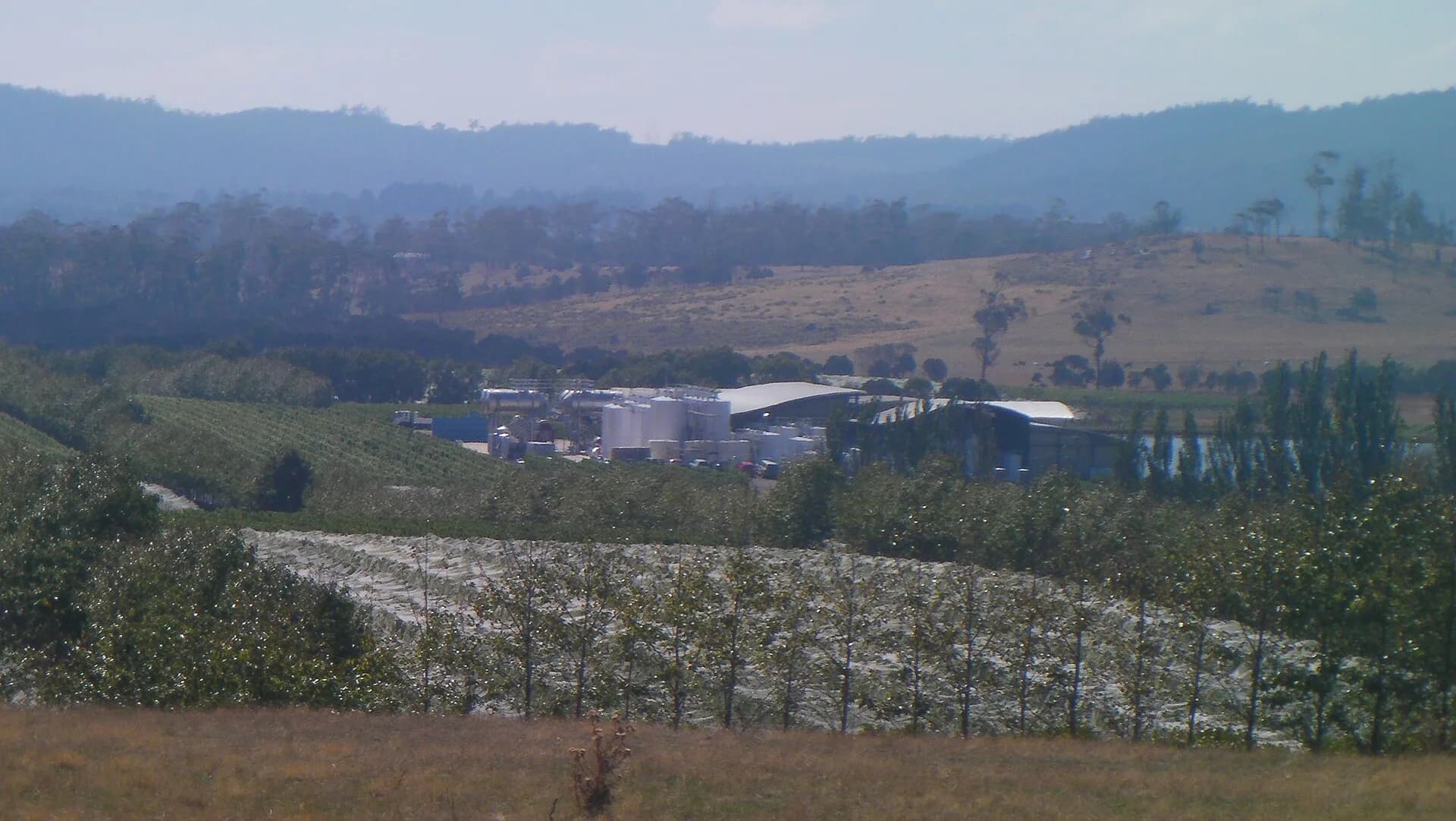

Mead is made by fermenting honey, but the finished drink can be dry, sweet, still, sparkling, spiced or fruit-infused. Honey liqueur and non-alcoholic honey drinks are separate products. Read the label and producer information instead of assuming everything described as honey wine is made the same way.
This page restores the historical search topic with current, independently written guidance. It does not reproduce the former site’s copy or assume that a business once listed is still operating.
What to look for
- Style: Ask whether the mead is still or sparkling, dry or sweet, and whether fruit, herbs or spices were added.
- Honey source: A producer should be able to explain the honey origin and whether a single floral source can genuinely be identified.
- Alcohol strength: Check the label and tasting pour rather than treating mead like a soft drink.
- Cellar-door access: Confirm tastings, bookings, food availability and age restrictions directly with the producer.
- Transport: Use a designated driver and ask about bottle freight or airline carriage before buying.

Where to begin
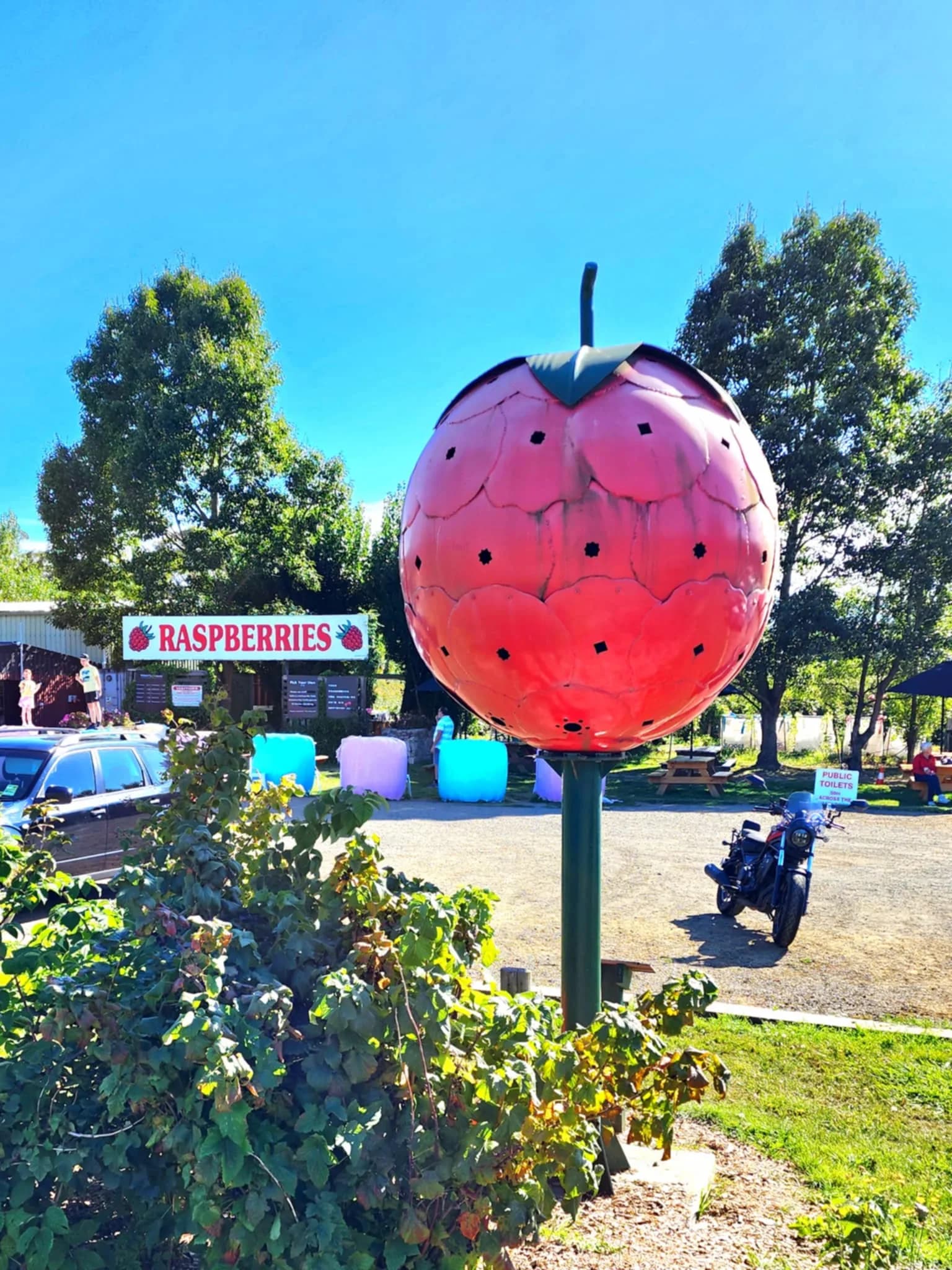
Mead producers may appear through farm shops, cellar doors, markets and specialist retailers rather than a dedicated statewide trail. Honey-producing districts span several regions, so use a current food-and-drink directory and place each stop within a realistic regional itinerary.
Check before you commit
Labels should distinguish mead, liqueur and other drinks. Claims about health benefits should not guide an alcohol purchase. If local provenance matters, ask separately where the honey was collected, where fermentation occurred and where the drink was bottled.
.jpg)
Fit it into the trip
Treat a mead tasting as one stop in a broader food route, with water and a meal included. The wine, spirits and honey guides provide adjacent options without relying on old supplier details.
Continue with Tasmanian Wine and Cellar Doors, Tasmanian Whisky, Gin and Spirits, Tasmanian Honey and Leatherwood Honey.