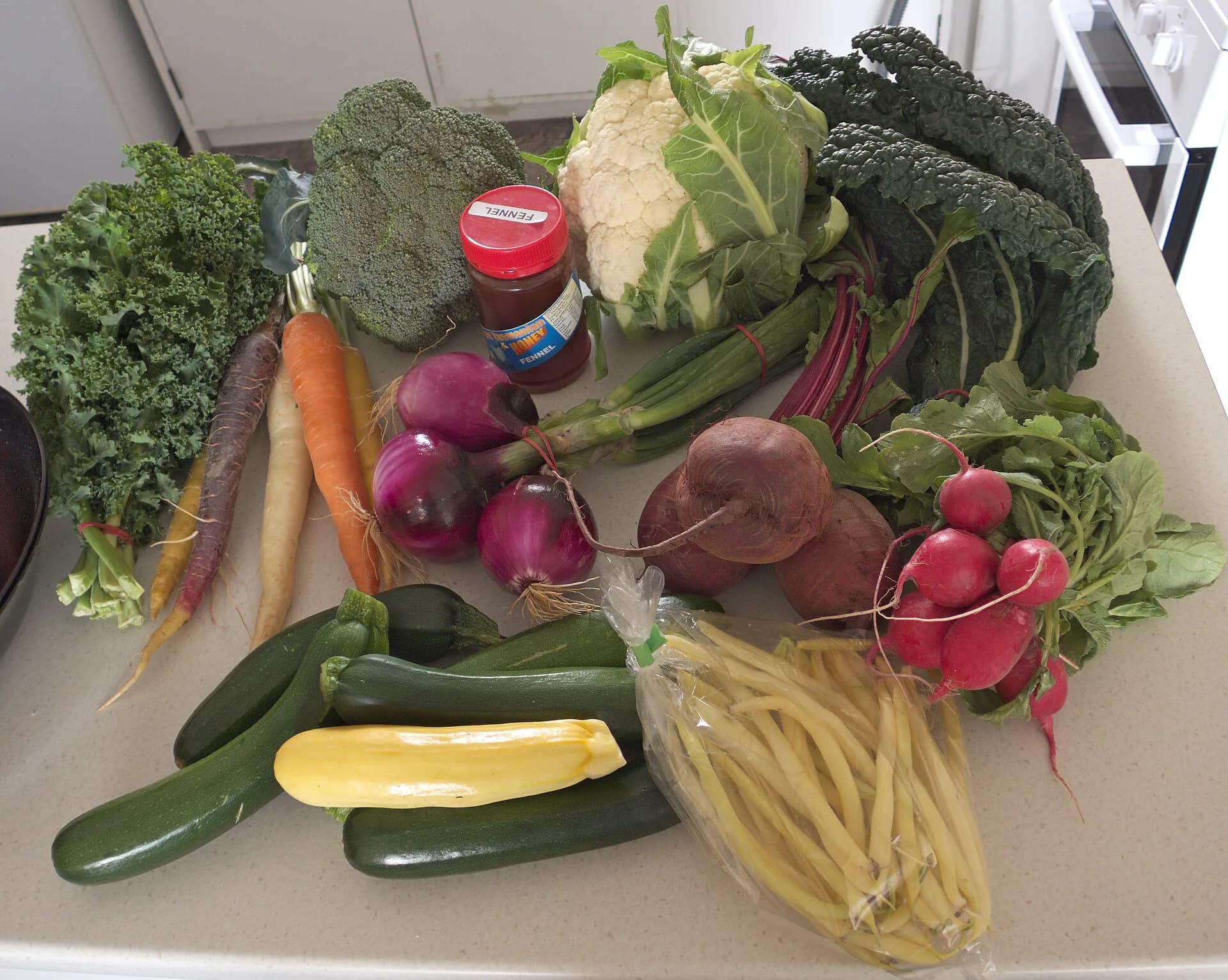

Tasmanian markets are not interchangeable. A producer market, makers market, general community market and occasional festival market offer different things. The organiser’s current page is the authority for dates, venue changes, cancellations and stallholder rules.
This page restores the historical search topic with current, independently written guidance. It does not reproduce the former site’s copy or assume that a business once listed is still operating.
Choose a market that suits the day
- Producer markets: Best for seasonal food and direct questions about where ingredients were grown or made.
- Makers markets: Look for named artists, designers and craftspeople rather than generic souvenir stock.
- Community markets: A broad mix of second-hand goods, plants, food and local fundraising stalls.
- Major weekly markets: Salamanca and other established markets need time, weather planning and realistic parking expectations.
- Seasonal events: Christmas, harvest and festival markets may run once or for only a few dates each year.

Where to begin
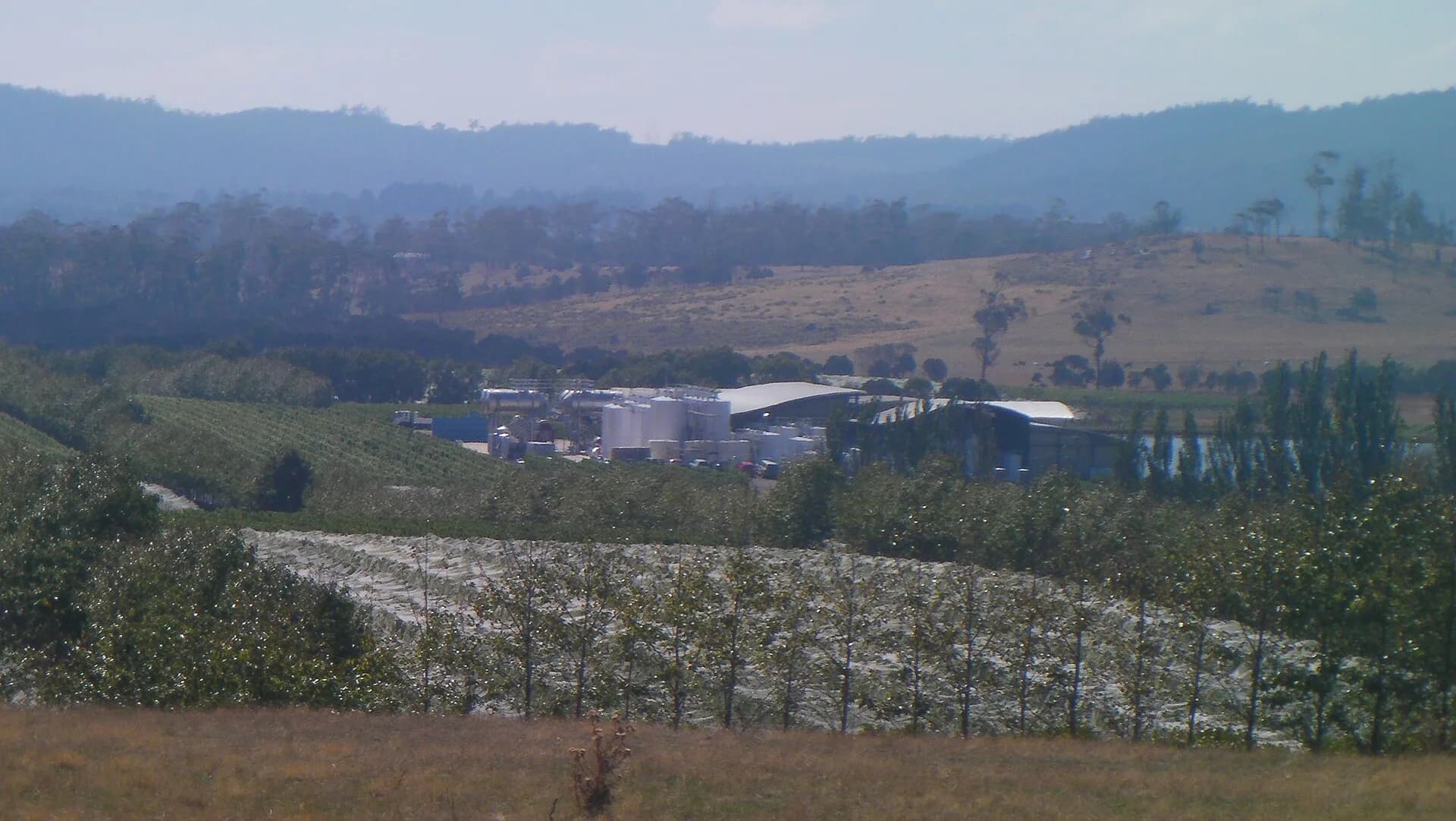
Hobart and Launceston have well-known weekly markets, while towns across the north-west, east coast, Midlands and south run regular or seasonal events. Do not plan a long detour from an undated directory entry. Confirm the next trading date and venue with the organiser.
Check before you commit
Ask whether a stallholder made or grew the product. Some markets allow resold goods, and a Tasmanian theme does not establish local manufacture. For food, follow storage advice and declare allergies before sampling. For Aboriginal art or imagery, seek clear artist and community attribution.

Fit it into the trip
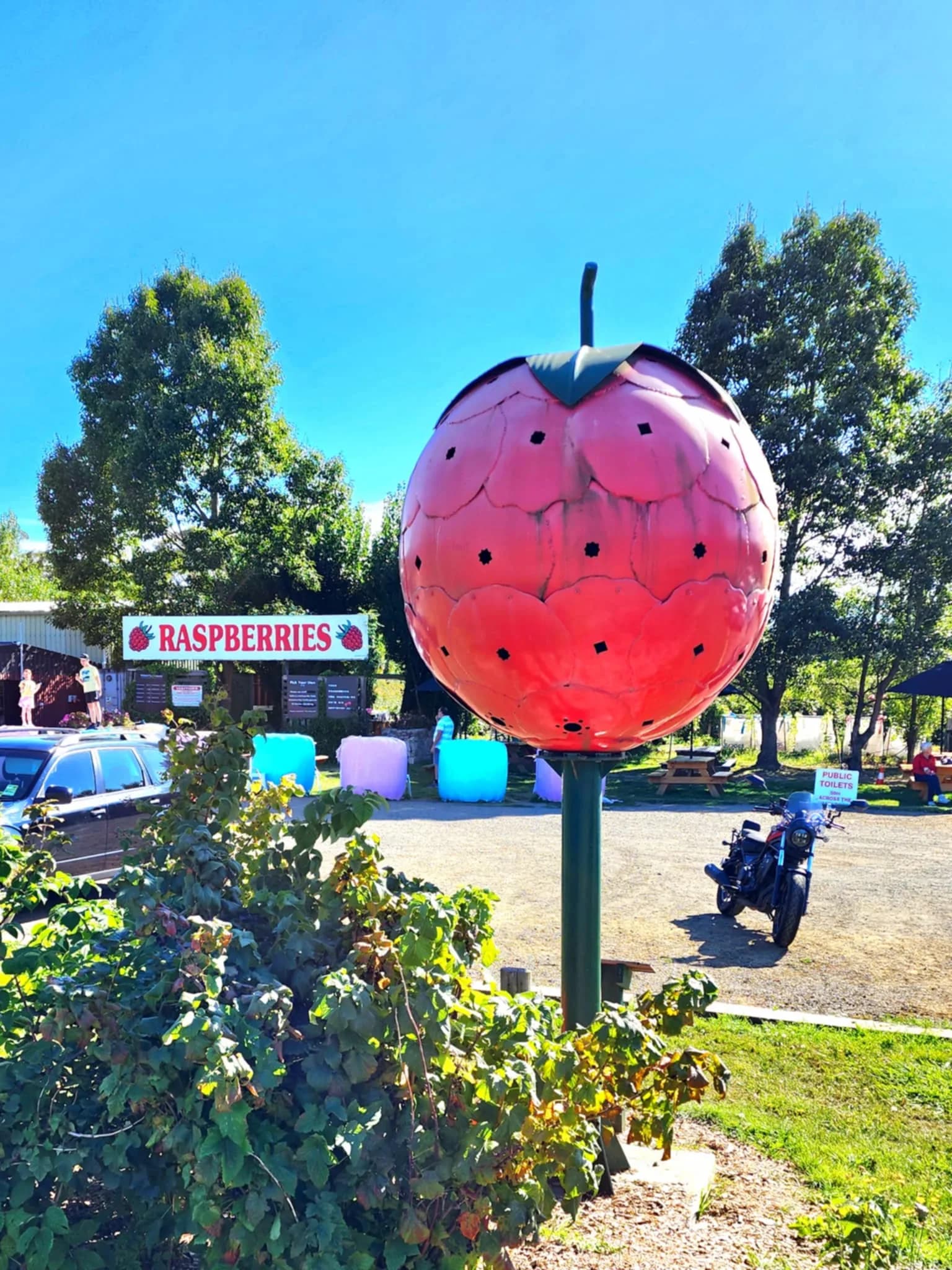
Arrive early for seasonal produce, carry reusable bags and bring a payment alternative because mobile reception can affect card terminals. Combine the market with nearby town attractions rather than attempting several distant markets in one morning.
Continue with Tasmania Farm Gates and Produce Direct, Tasmanian Artisans and Makers, Fresh Tasmanian Produce.