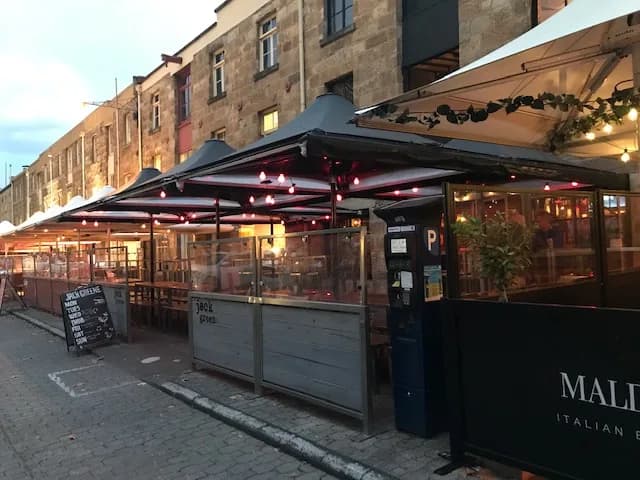

Lifestyle is a broad retail label, so this page makes it useful by separating homewares, clothing, stationery, books, personal products and small design objects. The common thread should be clear authorship and honest information about where each object was designed and made.
This page restores the historical search topic with current, independently written guidance. It does not reproduce the former site’s copy or assume that a business once listed is still operating.
Look for specific provenance
- Designed in Tasmania: This identifies the design origin but does not necessarily mean local manufacture.
- Made in Tasmania: Ask who made the product and which materials came from the island.
- Small-batch goods: Confirm care, replacement parts and whether variations are expected.
- Cultural imagery: Look for named artists and permission, especially when Aboriginal stories or designs are involved.
- Useful souvenirs: Choose objects with durable materials and accurate origin rather than generic island branding.

Where to begin
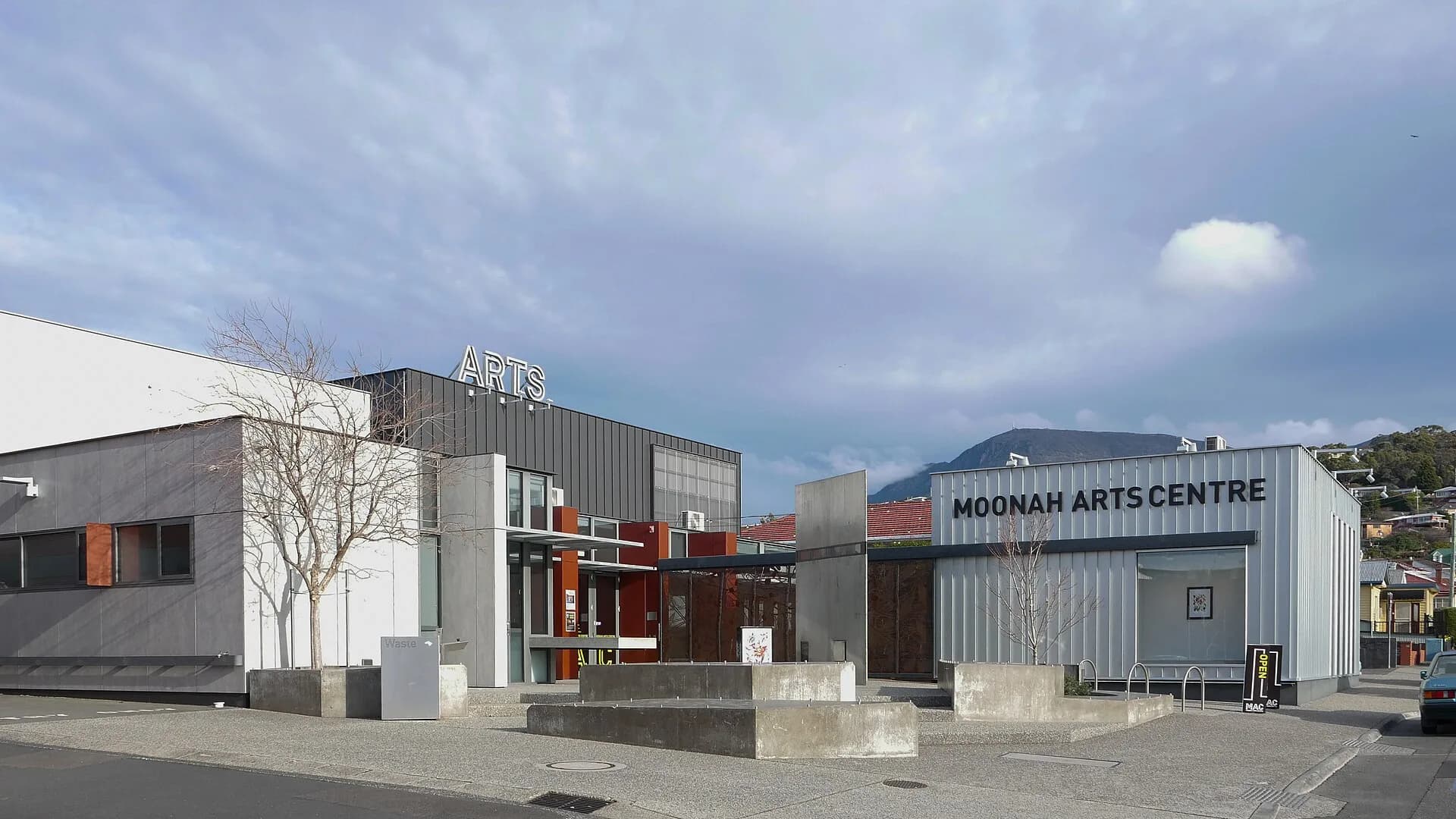
Curated galleries, design shops, bookshops and makers markets in Hobart, Launceston and regional towns are useful starting points. Public arts organisations can help identify current exhibitions and practitioner networks without turning the guide into a paid directory.
Check before you commit
Do not treat local retail, local design and local manufacture as the same claim. Read labels, ask the seller and keep the maker information. For skincare, food and electrical products, use the relevant ingredient, safety and compliance information as well.

Fit it into the trip
Browse within an existing town itinerary. Salamanca, central Launceston and selected regional main streets can combine several independent shops on foot, reducing unnecessary driving between isolated results.
Continue with Tasmanian Homewares and Furniture, Tasmanian Clothing and Fashion, Tasmanian Books and Writing.