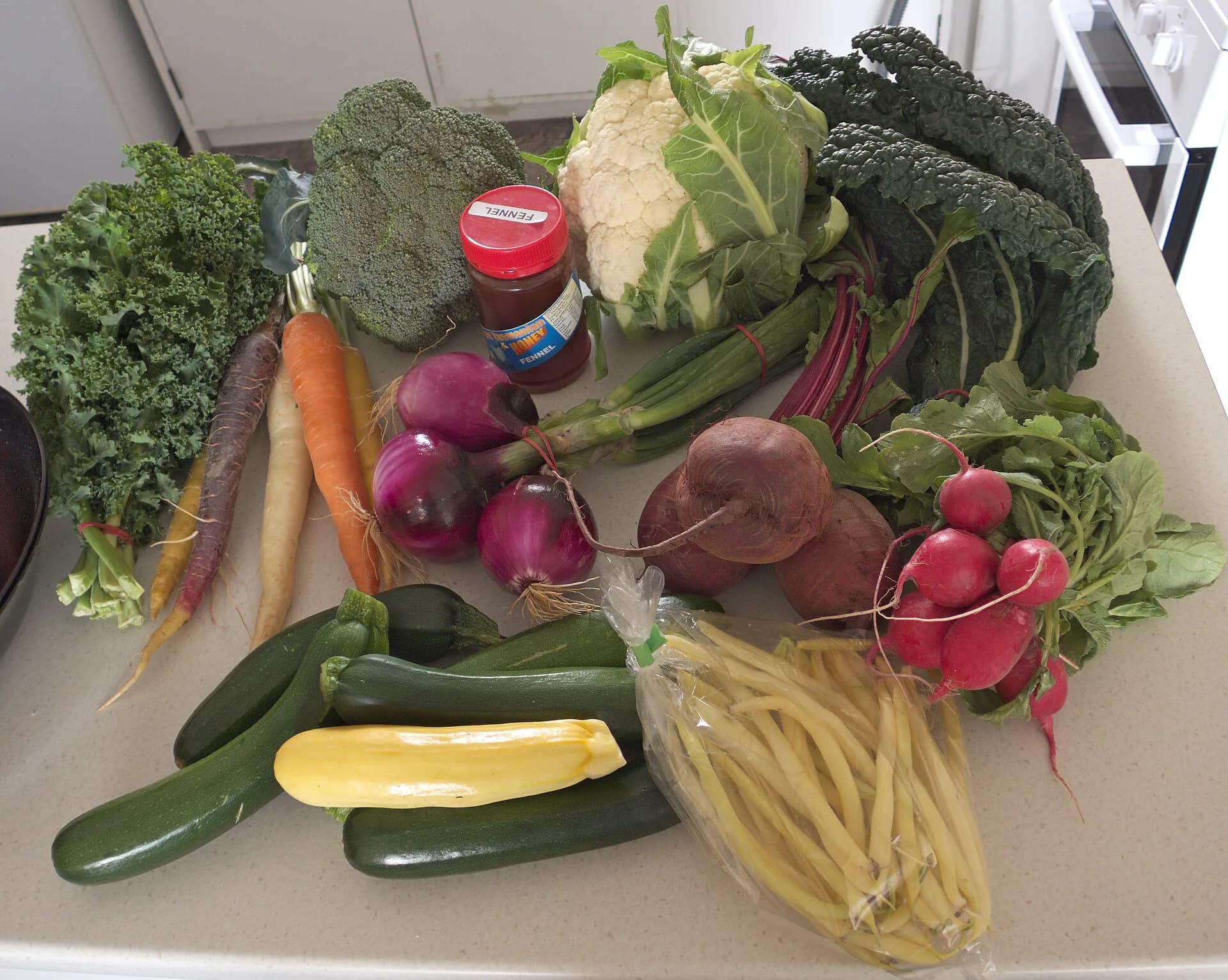

The historical Tassie Shop gathered Tasmanian products and visitor shopping ideas in one section. This rebuilt guide keeps those useful subjects while replacing an obsolete commercial directory with independent editorial pathways.
Our Tasmania does not sell the products listed here and businesses cannot buy a favourable position. Use these pages to understand what Tasmania makes, where industries are concentrated and which current official directories can help with trip planning.
Food and drink
- The tastes of Tasmania introduces the statewide food landscape.
- Farm gates and produce direct explains how to verify public access and seasonal sales.
- Fresh produce, seafood and cheese and dairy cover major categories.
- Beer and cider, spirits and non-alcoholic drinks help build a responsible tasting plan.
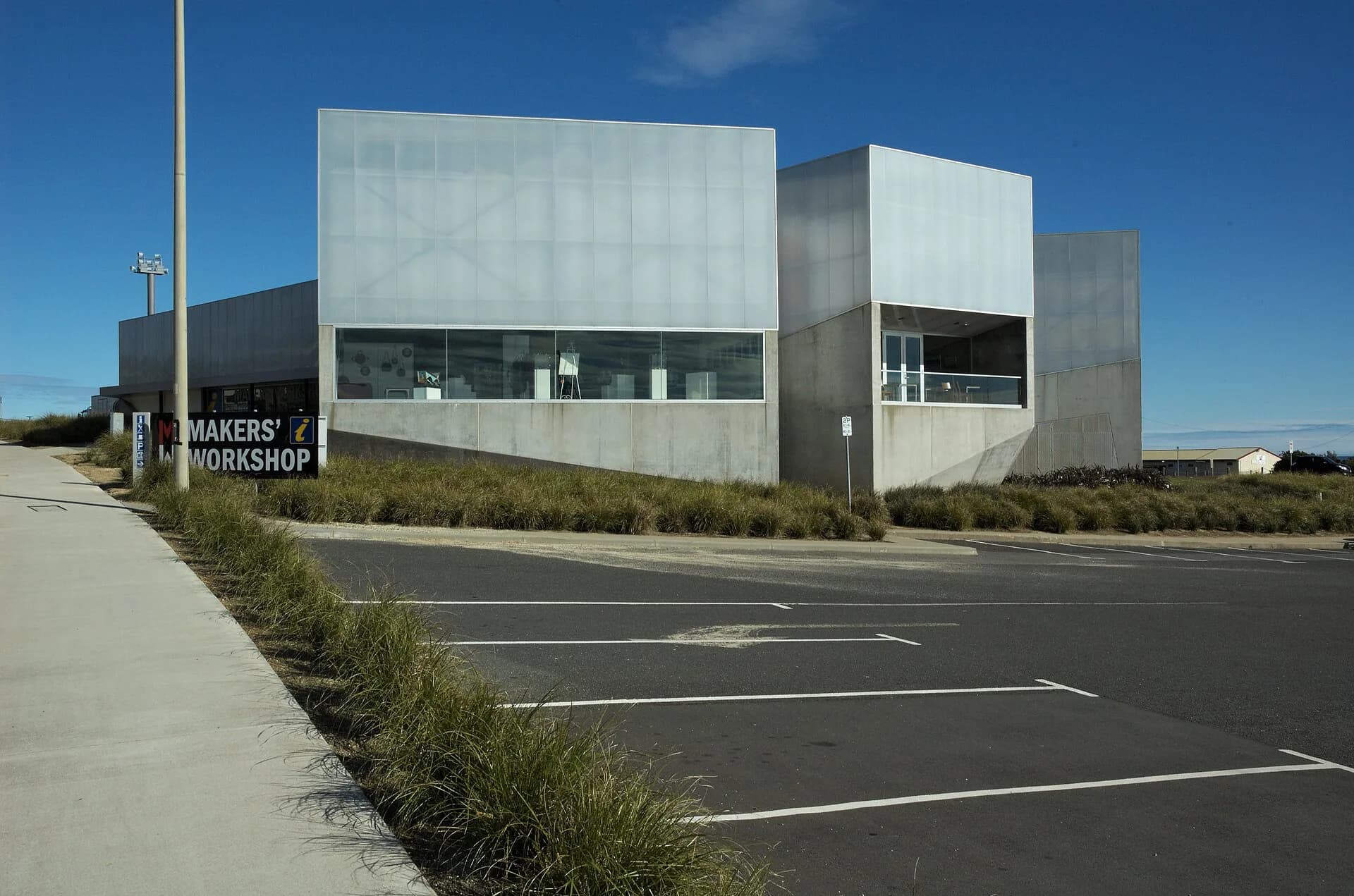

Art, design and useful souvenirs
- Tasmanian artisans covers furniture, ceramics, textiles, jewellery and specialist making.
- Arts and crafts explains galleries, studios and ethical attribution.
- Clothing, accessories and homewares focus on maker and material provenance.
- Books and writing points towards libraries, bookshops and local publishers.
Plan by region
Use Hobart and southern Tasmania, Launceston and the north, or the north-west and west when the aim is galleries and makers. For farms and food producers, start with the south, north, or Midlands and east coast.
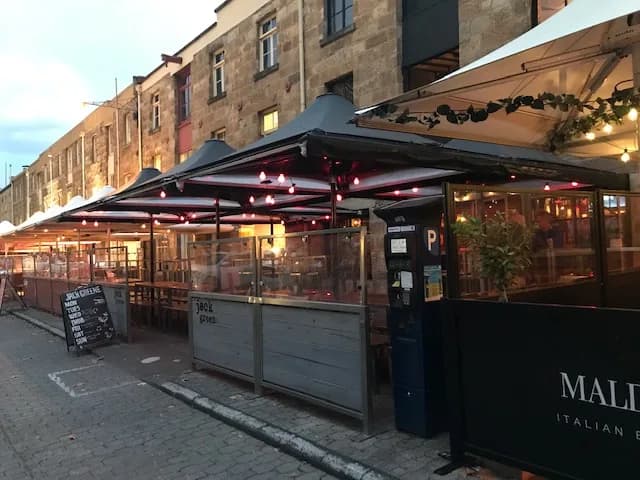

Check before making a special trip
Small studios, farms and market businesses often trade on limited or seasonal days. Search engines may retain old addresses and descriptions. Confirm opening times, booking requirements and public access with the operator or event organiser. Ask who made a product, where it was produced and where its important materials came from.
For Aboriginal art and cultural products, choose a named artist or a reputable organisation that explains authorship, community and licensing. For food, timber, plants and animal products, check biosecurity rules before taking purchases interstate or overseas.