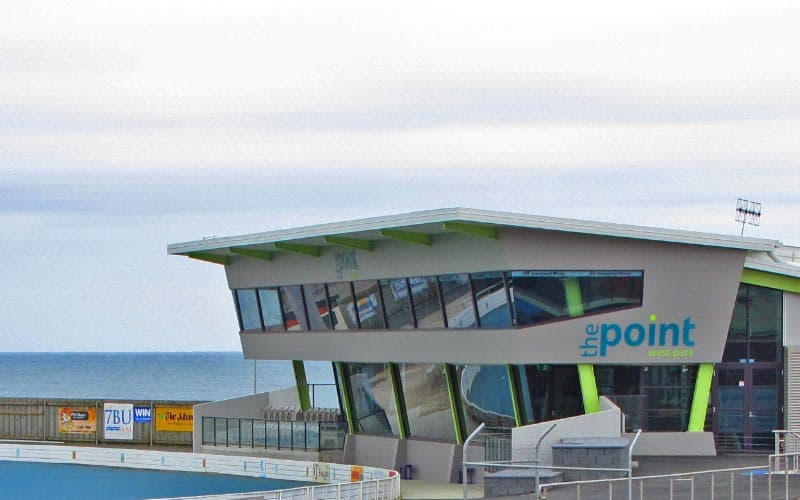

Getting to Burnie and moving around
Burnie sits on Tasmania’s north‑west coast and is described as the most westerly city in that region. It is an easy drive from nearby regional centres, typically around 35 minutes from Devonport and about 90 minutes from Launceston by car. Within the city you can get around by bus, taxi, rideshare (Uber), or hire car. Shared paths support walking and cycling, and the council notes EV charging station locations in the area.
Parking spaces and public toilets are distributed through the business districts, parks and reserves. That distribution makes short walks between galleries, cafes and waterfront areas practical for most visitors.
Burnie’s arts precinct and new Burnie Arts Centre
Burnie has invested in a consolidated arts precinct. The city’s long‑running regional gallery and museum sit alongside performance spaces and community studios. Following a major redevelopment, the new Burnie Arts Centre opened in 2025. The revitalised facility brings together gallery spaces, a Long Room, theatre, Town Hall, bar and café and includes significant accessibility improvements. Because programming and access arrangements change, check the arts centre’s event schedule and visitor facilities before you plan specific visits.
The city’s arts story is anchored in its papermaking and manufacturing history. The Burnie Regional Art Gallery has housed a permanent collection since 1978 with a particular strength in works on paper. The Burnie Print Prize, introduced in 2007, is associated with the gallery and focuses on printmaking.
Industrial heritage, museums and archival material
Burnie’s identity reflects its industrial past. The Burnie Regional Museum captures early town life and recreates scenes such as Federation Street. In 2022 the museum’s collection expanded when The Advocate Gift added over one million photographic negatives, providing a dense visual archive of local life across many decades.
Libraries Tasmania and the State Library have digitised material that illuminates Burnie’s timber and paper industries. Archival films such as Timber Makes News (1947) and a 1956 film about the Burnie mill describe timber operations and newsprint production. These resources are useful for visitors interested in the city’s manufacturing story, but if you plan to reuse images or film clips you must request permission from the holding library.
Festivals, music and community arts groups
Burnie hosts a diverse set of community arts organisations and performing groups. The city is associated with ensembles and companies spanning theatre, dance and music, and local groups provide regular performances and workshops. The city also supports community art studios such as Studio 2 Eleven and community initiatives run by organisations like stARTs, the founding branch of Tasmanian Regional Arts.
Regional festivals contribute to the cultural calendar. Since 2017 the northwest base of the Ten Days on the Island festival has been centred in Burnie, helping to bring touring and contemporary work to local audiences.
Public art, architecture and places to pause
Walkable streets, murals and sculptures turn parts of Burnie into an open‑air gallery. Architecture from the Art Deco and Federation eras survives across the city, offering a sense of place that links its civic buildings to the manufacturing history around the harbour. Parks and reserves feature playgrounds, barbecue and picnic areas, and some off‑leash dog areas. The shared paths along coastlines and into nearby bush provide short walks with coastal or forest views.
Who Burnie suits and what to check before you travel
Burnie suits travellers interested in regional art, industrial heritage, short coastal walks and community festivals. Families will find parks and picnic facilities, while people who follow printmaking, contemporary art or social history will benefit from the gallery, prize exhibitions and the museum collections.
Before you go, check a few practical matters that change frequently: event listings and opening hours at the Burnie Arts Centre and regional gallery; the locations and availability of EV chargers if you drive an electric vehicle; current public transport timetables for buses or intercity options; and parking and public toilet availability for your intended stopovers. If you plan to use images or film from Libraries Tasmania or the State Library, make a permission enquiry in advance.
Practical notes for a short visit
Because Burnie’s cultural life is driven by scheduled performances, workshops and exhibitions, a brief visit will be significantly improved by checking program dates and booking where necessary. Many public facilities across the city support short walks between attractions, so allow time to explore murals and waterfront paths. The combination of museums, a regional gallery and community arts activity makes Burnie suitable for a day trip or a longer stay, depending on how many events you wish to attend.