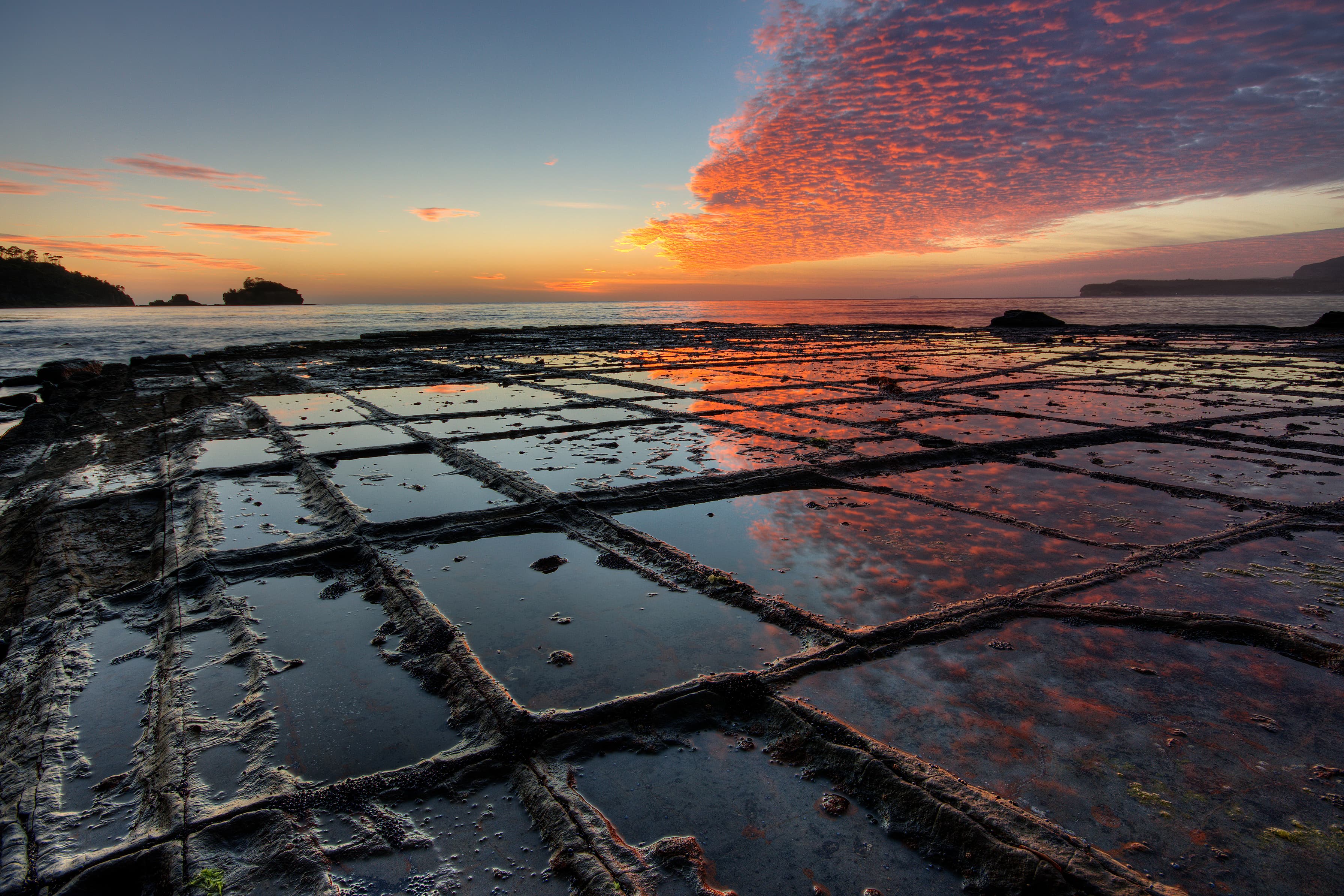

When Tasmania’s Off Season runs
Tasmania’s Off Season generally runs from May through August. During these cooler months operators publish winter-specific packages and events that run only for a limited time each year. Offers and event dates can change from year to year, so confirm exact dates and availability with the operator before booking.
Getting to Tasmania in winter
You can reach Tasmania by air and by ferry. Major carriers operate direct flights to Hobart and Launceston from mainland Australian cities. There are also regular services into Devonport and Burnie from some mainland airports. If you plan to take your vehicle, the Spirit of Tasmania ferry links Geelong and Devonport; the ships commonly depart overnight and arrive the following morning. Day sailings on the Spirit are available only in certain months, so check the ferry schedule for the travel season you plan to use.
What to expect from Off Season experiences
Off Season packages are designed around winter conditions. Typical inclusions are cozy accommodation touches such as late check-out, hot tubs, seasonal menus, warming guided experiences like whisky tastings, truffle events and curated nature activities. Winter travel often means fewer crowds at popular attractions and better availability at accommodation and restaurants. It can also offer a different mood for landscapes and wildlife viewing compared with warmer months.
Seasonal events and cultural offerings
Winter is when a number of Tasmania’s festivals and museum programs take place. These can include contemporary art exhibitions, winter festivals and trail running series on kunanyi / Mount Wellington. Events and exhibitions are scheduled on specific dates and some run across several months. Confirm program dates ahead of your trip as exhibitions and festival schedules are subject to change.
Driving, weather and safety in winter
If you plan a road trip in winter, read up on winter driving safety before you travel. Roads can be cold, wet and sometimes icy around high country. Allow extra travel time, check current road conditions and forecasts, carry basic emergency supplies, and make sure your vehicle is suited to the route you intend to drive. Some ferry and flight timetables change by season and operators may alter services for weather or demand, so check transport schedules close to your departure.
Who the Off Season suits
The Off Season suits travellers who prefer quieter attractions, flexible itineraries and seasonal food or cultural experiences. It can be appropriate for couples seeking cosy stays, food and drink visitors interested in winter menus or tasting events, and outdoors people prepared for cool conditions. Families and less mobile travellers may prefer milder months; if you are unsure how winter conditions will affect mobility or planned activities, check with accommodation and activity providers.
How offers and availability work
Off Season offers are often curated winter packages rather than simple discounts. They may include fixed-date inclusions such as guided tours, festivals or seasonal meals. Availability and price can vary by property and operator, and some offers have minimum stay requirements. Always check the exact inclusions, cancellation terms and validity dates for any package before you book.
Practical checks before you travel
- Confirm event and exhibition dates with the hosting venue. Programs can change from year to year.
- Verify flight and ferry timetables for your travel dates, including seasonal day sail availability on the ferry route between Geelong and Devonport.
- Read winter driving safety guidance and check local road and weather reports immediately before departure.
- Check what is included in any Off Season package, including meal arrangements, access to on site facilities and any age or fitness suitability notes for guided experiences.
- Ask accommodation about heating, bedding options and late check-out policies if that impacts your comfort.
Responsible travel and community impact
Travelling in winter helps spread visitor demand across the year and supports local businesses outside peak periods. Winter visits can reduce pressure on infrastructure and popular sites compared with busier months. Consider booking directly with local operators and confirm how activities are run to align with environmental and cultural sensitivities, especially in sensitive natural areas.
Final practical tips
Pack warm layered clothing and suitable footwear for wet or cold conditions. Build flexibility into itineraries to allow for weather or transport adjustments. If you rely on a particular event or tour, treat bookings as time-sensitive and reconfirm close to your travel date. With a little extra planning, winter travel in Tasmania can offer a calm, seasonal way to experience the island’s landscapes, food and culture.